
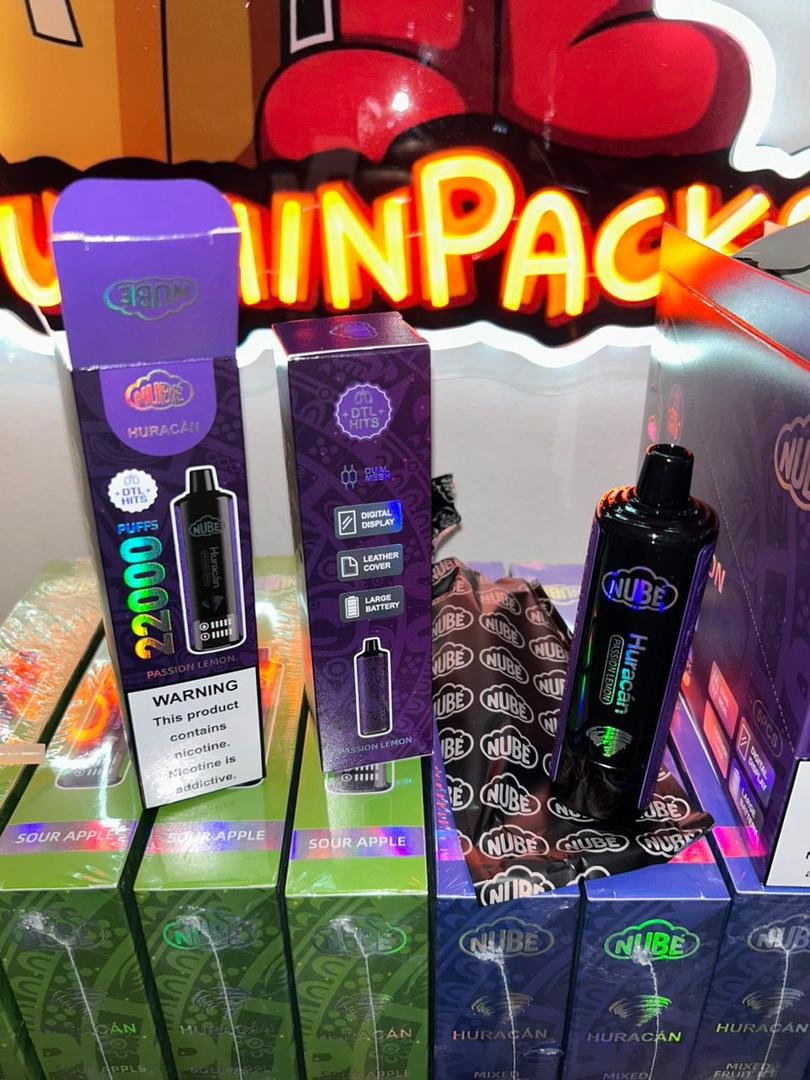
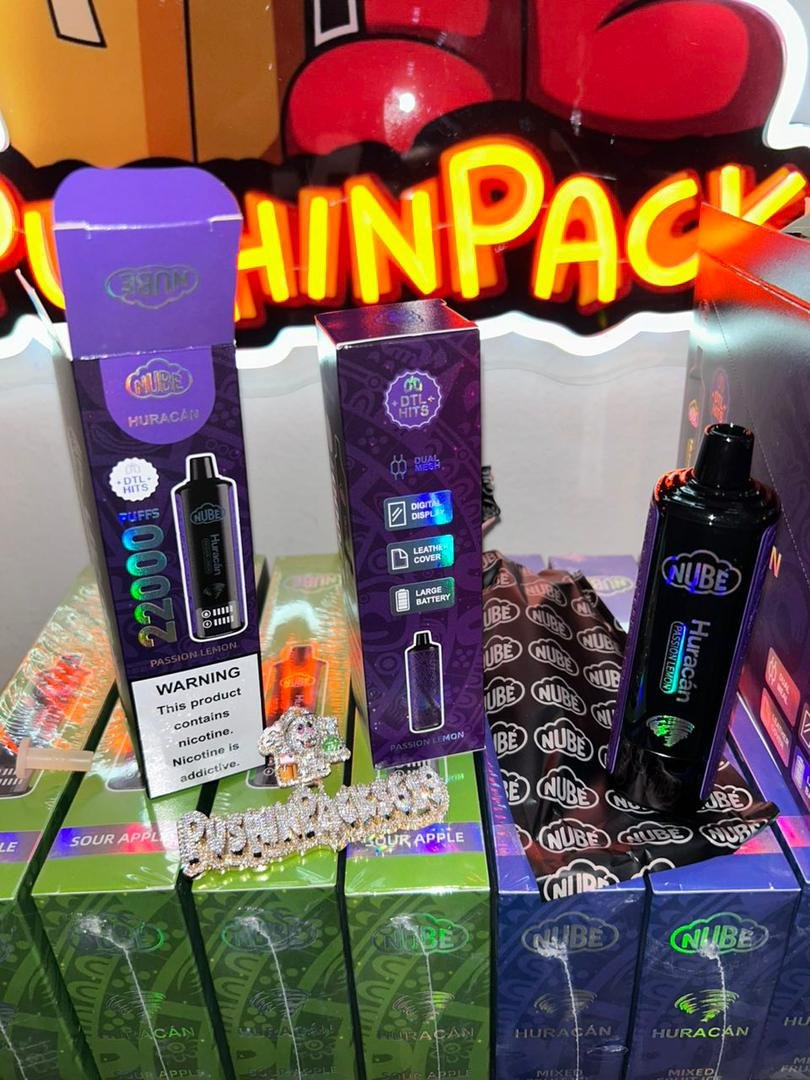
NUBE HURACAN VAPE 22000 PUFF – Professional, High-Capacity Vaporization Hardware System
Device Architecture and Structural Foundation: Device Architecture and Structural Foundation
The NUBE HURACAN VAPE 22000 PUFF is engineered on a structural foundation designed to maintain stability, internal precision, and long-term hardware reliability across an extended operational lifespan. Because the device is built as a closed, maintenance‑free system, the architectural decisions behind its internal layout and external chassis prioritize structural integrity, secure component positioning, and resistance to deformation over time. This section examines the internal framework, load‑bearing structure, material composition, and alignment strategies that define the device’s overall stability nube vape 22000 puff.
At the outermost level, the NUBE HURACAN VAPE features a unibody shell constructed from high‑density, impact‑resistant composite materials nube vape 22000 puff. These materials provide the first line of defense against mechanical stress. Whether exposed to routine handling nube vape 22000 puff, transportation pressure, or daily pocket wear nube vape 22000 puff, the exterior shell maintains rigidity and shape without cracking or shifting. The composite construction distributes external force across the surface instead of allowing localized strain, which helps prevent structural failures common in multi‑panel designs nube vape 22000 puff.
Beneath the outer shell is the internal support frame. This frame serves as the structural backbone of the device and includes several reinforced anchor points designed to secure key internal components. The battery, reservoir chamber, airflow channel, and heating assembly are each held within individualized stabilization brackets. These brackets prevent component drift, rotational shift, or micro‑movement caused by repeated vibration or handling. Without these reinforcements, internal misalignment could lead to airflow inconsistencies, electrical contact interruptions, or heating inefficiencies.
The reservoir chamber is positioned within a rigid compartment designed to maintain structural symmetry under both thermal and mechanical stress. Large‑capacity devices often generate internal pressure variations as the heating cycles progress. To counteract this, the reservoir compartment utilizes a molded, pressure‑resistant construction that evenly distributes internal force while preventing wall expansion or structural fatigue. This ensures that the chamber maintains its shape and sealed integrity throughout extended use.
The heating assembly is centrally located to allow equal airflow distribution and minimize thermal asymmetry across the interior. Its anchor points are strengthened to maintain precise coil alignment despite long‑term heat exposure nube vape 22000 puff. Because heating elements undergo repeated thermal expansion and contraction cycles, the surrounding architecture must resist warping or positional drift. The NUBE HURACAN VAPE uses heat‑stabilized mounting brackets to keep the coil perfectly aligned with the airflow channel, ensuring predictable heating behavior nube vape 22000 puff.
Airflow integration is a core part of the device’s architectural design. The internal airflow pathway is carved directly into the structural frame rather than attached as a secondary component. This approach helps maintain exact channel geometry, preventing deformation that could otherwise disrupt airflow resistance or delay activation. Smooth interior contouring reduces turbulence and guides airflow efficiently from the mouthpiece through the heating chamber and down toward the draw sensor.
The battery compartment sits at the base of the device and is reinforced with shock‑absorbing supports. These supports protect the battery from compression and vibration. Large‑capacity devices require battery integrity to remain stable over long use cycles, and the compartment ensures that electrical contact remains consistent by preventing battery movement. Insulating materials also surround the compartment to protect it from heat generated by the coil.
Additionally, the structural foundation incorporates layered insulation barriers that separate the heating zone from surrounding materials nube vape 22000 puff. This prevents heat from deforming or weakening structural components. The multi‑layer insulation also improves energy efficiency by maintaining thermal concentration within the operational zone.
The unibody and internal‑frame architecture reduce the number of seams, joints, and potential failure points. Many devices weaken over time due to shifting joints or loose connectors. The NUBE HURACAN’s sealed, fused structure eliminates these risks, ensuring the entire chassis acts as a single, unified protective enclosure nube vape 22000 puff.
Durability testing further validates the integrity of this structural foundation. The device is subjected to compression tests, vibration simulations, impact drops, thermal cycling, and long‑term heat‑exposure trials. These tests ensure that the internal architecture remains intact from the first to the final activation cycle nube vape 22000 puff.
In summary, Section 1 highlights the structural engineering principles that allow the NUBE HURACAN VAPE 22000 PUFF to maintain internal stability, precise alignment, and mechanical reliability throughout its extended operational lifecycle. Through its unibody shell, reinforced internal frame, stabilized reservoir chamber, insulated heating assembly, and vibration‑proof battery compartment, the device is engineered to deliver consistent hardware performance without requiring maintenance.
Power System, Battery Efficiency, and Output Stability
The power system of the NUBE HURACAN VAPE 22000 PUFF is engineered to support extended operational longevity, consistent voltage delivery, and stable energy output across thousands of activation cycles. Because the device is designed for long-duration use without recharging or manual adjustments, its internal power distribution network must operate with high efficiency, regulated performance, and controlled thermal behavior. Section 2 examines the internal battery architecture, electrical regulation mechanisms, output stability engineering, and system safeguards that maintain hardware reliability throughout the device’s lifespan.
At the core of the device’s power system is a high-capacity lithium-based battery engineered to deliver consistent output over an extended discharge curve. Unlike smaller disposable units, which may fluctuate in performance as voltage drops, the NUBE HURACAN battery is built to maintain steady current delivery for the majority of its operational cycle. This stable curve minimizes heating inconsistencies and ensures that activation behavior remains predictable from the first puff to the last.
Power regulation is managed through integrated microcontrollers that moderate current flow between the battery and the heating assembly. These controllers measure electrical demand in real time, adjusting output to match the airflow-triggered activation cycle. When airflow begins, the microcontroller delivers a controlled surge to bring the heating element to operational temperature quickly. However, the surge is capped to prevent stress on the coil or internal wiring. As the draw continues, the controller stabilizes voltage output, ensuring smooth heating performance nube vape 22000 puff.
A key component of the power system is the voltage-stabilization circuitry. This circuitry prevents voltage spikes, dips, or erratic fluctuations that could negatively affect heating behavior or device safety. Stability is achieved through layered regulation systems that smooth the electrical signal before it reaches the heating assembly. As a result, the device maintains consistent performance even as battery levels gradually decrease nube vape 22000 puff.
Battery efficiency is further enhanced through the use of energy-preserving airflow activation. The device only consumes power when airflow is detected, reducing energy waste and prolonging operational lifespan. Airflow-based activation eliminates the need for physical switches, which can degrade over time, and ensures that the battery remains inactive when the device is not in use.
Thermal stability is closely tied to power regulation. Because heating elements generate heat through electrical resistance, the power system must prevent overheating by limiting current flow when temperatures rise. Thermal sensors monitor heating behavior, allowing the system to reduce power delivery when temperatures exceed safe thresholds. This prevents coil degradation, reduces internal stress, and improves long-term performance consistency.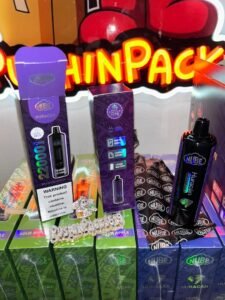
The heating element in the NUBE HURACAN VAPE is constructed from thermally stable alloys that maintain predictable resistance levels across repeated activation cycles nube vape 22000 puff. These alloys ensure that the heating element responds consistently to electrical input, maintaining steady thermal output without sudden spikes. Thermal uniformity is essential for preventing degradation of internal components and ensuring consistent airflow activation nube vape 22000 puff.
The battery compartment is insulated to protect the cell from heat produced by the coil. Insulation layers surround the battery housing, preventing temperature creep and maintaining ideal operating conditions for the electrical system. Excessive heat exposure can shorten battery lifespan or alter discharge behavior, so thermal isolation is critical for efficiency and durability.
The power system also incorporates multiple safety layers to prevent electrical faults. These include voltage cutoffs, overcurrent protection, short-circuit prevention, and thermal shutdown protocols. If the device detects abnormal electrical behavior—such as an internal short or extreme temperature elevation—it stops power flow immediately. These protective measures reduce the risk of hardware damage and ensure that the device remains within controlled operating parameters.
Battery stability is supported by shock-absorbing mounts that cushion the cell from mechanical impact. Large-capacity batteries can be sensitive to compression or sudden force, so the compartment includes structural reinforcement that distributes pressure evenly across the cell surface. This reduces the likelihood of internal deformation, which could otherwise affect electrical output.
Output stability is tested through simulated long-term usage cycles. Each test replicates thousands of activation events to confirm that voltage regulation, heating responsiveness, and thermal control remain consistent. The power system is also evaluated under cold, warm, and fluctuating environmental conditions to ensure that battery performance does not degrade prematurely.
The overall result of this engineering approach is a power system capable of supporting the device’s extended puff capacity with minimal variation in voltage delivery or heating behavior. Because of its controlled output curve, reinforced battery housing nube vape 22000 puff, multi-layer safety systems, and intelligent regulation modules, the NUBE HURACAN VAPE 22000 PUFF maintains predictable performance during its entire operational lifespan nube vape 22000 puff.
In summary, Section 2 demonstrates that the NUBE HURACAN VAPE 22000 PUFF is powered by a carefully engineered electrical system designed for consistent energy delivery, high efficiency, stable thermal performance nube vape 22000 puff, and long-term reliability nube vape 22000 puff. Through advanced battery design, voltage regulation, safety integration, and intelligent activation controls, the device ensures dependable hardware operation throughout its extended usage period nube vape 22000 puff.
Airflow Pathways, Internal Channel Geometry, and Fluid Dynamics
The airflow system of the NUBE HURACAN VAPE 22000 PUFF is engineered to support extended-duration performance, consistent activation responsiveness, and controlled internal pressure throughout thousands of inhalation cycles. Because the device relies entirely on draw-activated engagement rather than physical buttons or adjustable airflow controls, the geometry and behavior of its internal airflow pathways play a central role in determining its reliability and mechanical stability nube vape 22000 puff. This section examines the channel structure, pressure-regulation mechanisms, turbulence‑reduction strategies, condensation management, and sensor‑integration engineering that shape the device’s airflow performance nube vape 22000 puff.
At the start of each inhalation, air enters the mouthpiece through a wide, ergonomically shaped intake designed to guide airflow smoothly into the internal pathway. The curvature of the intake opening prevents abrupt pressure spikes that could interfere with activation or cause turbulence. Instead, airflow transitions gradually into the main channel nube vape pen, maintaining a smooth flow profile from the moment it enters the device nube vape 22000 puff.
Once inside the housing, airflow travels through a reinforced channel molded directly into the device’s internal frame. This approach ensures that the pathway maintains stable dimensional accuracy over time, rather than bending or warping as external forces act on the device. Many low‑capacity disposables experience airflow degradation due to minor structural shifts, but the NUBE HURACAN’s integrated pathway preserves its shape under pressure, vibration, and thermal changes.
The geometry of the channel is shaped to minimize turbulence. Instead of sharp angles or abrupt narrowing points, the interior features smooth curves and gradual transitions. These contouring decisions reduce mechanical drag, allowing air to travel efficiently toward the heating chamber. A steady flow not only ensures predictable activation performance but also helps moderate thermal behavior, since airflow influences coil temperature through convective cooling.
As airflow reaches the heating zone, it passes through a diffusion chamber. This chamber evenly distributes airflow across the heating element, ensuring that air is heated consistently before continuing through the system. Without this diffusion point nube vape 22000 puff, airflow could pass unevenly across the coil, creating pockets of inconsistent heating or slowed activation response nube vape 22000 puff. The NUBE HURACAN uses a multi‑vent design within this zone to promote uniform fluid motion nube vape 22000 puff.
The diffusion chamber also contributes to temperature regulation. As air flows across the coil, it cools excess heat produced during activation, helping maintain thermal stability. This passive cooling effect supports the longevity of the heating element and prevents overheating that could compromise material integrity.
Once heated, airflow moves through a pressure‑regulated channel leading toward the activation sensor. This channel is engineered to direct air with sufficient force to trigger the draw sensor without overwhelming it. The sensor chamber is shaped to maintain a precise pressure zone that activates consistently at normal inhalation strength. The chamber’s dimensions remain stable due to reinforced sidewalls, ensuring that sensor responsiveness does not decline over time nube vape 22000 puff.
Pressure equalization vents integrated into the internal body of the device help stabilize airflow. These micro‑vents maintain internal equilibrium by releasing excess pressure without allowing external contaminants to enter nube vape 22000 puff. Pressure balancing prevents the formation of vacuum pockets or airflow inconsistencies that could otherwise hinder activation or restrict flow nube vape 22000 puff.
Condensation management is another critical aspect of airflow engineering. During extended usage, temperature differentials can lead to condensation within the airflow channel. If unmanaged, this moisture could obstruct airflow, alter draw resistance, or affect activation timing. To counter this, the NUBE HURACAN includes moisture‑redirecting grooves that channel condensation away from the primary airflow path. These grooves help maintain long‑term performance consistency even during large puff cycles.
The airflow system is reinforced to withstand vibration and movement over time. The internal channel is anchored using structural brackets that keep it aligned even when exposed to shaking, impacts, or continuous handling. These reinforcements ensure that the airflow geometry does not shift, maintaining predictable activation behavior nube vape 22000 puff.
Noise‑reduction features are integrated into the airflow design as well. Because turbulence or abrupt pathway transitions can create whistling or vibration noise, the channel is shaped to eliminate resonant pockets and air‑cavitation points. As a result, airflow remains smooth and quiet during operation, contributing to overall mechanical refinement nube vape 22000 puff.
Another key aspect of airflow performance is independence from battery strength. In many devices, declining battery output can reduce heating responsiveness nube vape 22000 puff, indirectly affecting airflow activation. However, because airflow mechanics in the NUBE HURACAN are entirely mechanical, activation remains consistent even during battery depletion nube vape 22000 puff. The airflow channel ensures that the pressure exerted by each inhalation is transmitted accurately to the sensor, regardless of electrical output nube vape 22000 puff.
The airflow system also undergoes extensive testing, including simulated draw cycles, pressure variation analysis, high‑humidity exposure, and temperature‑stress testing. These evaluations confirm that the airflow channel maintains structural integrity and consistent activation performance under diverse conditions nube vape 22000 puff.
In summary, Section 3 demonstrates that the airflow system of the NUBE HURACAN VAPE 22000 PUFF is shaped by precise channel geometry, pressure‑regulated engineering, turbulence‑reduction design, reliable sensor integration, and condensation‑management structures. This system allows the device to maintain stable activation, smooth airflow, and predictable mechanical behavior across its extended operational lifespan.
Material Composition, Impact Resistance, and Durability
The NUBE HURACAN VAPE 22000 PUFF is designed with a professional emphasis on material strength, structural consistency, and long-range durability. Each component is selected and arranged to support a long operational lifespan without requiring user intervention. Because the device must retain structural integrity throughout continuous handling, its material foundation and reinforcement strategy prioritize stability, reliability, and predictable physical performance nubevape.
The exterior housing is constructed from a high-density composite engineered to withstand prolonged physical stress. This material was chosen for its ability to maintain rigidity while absorbing minor impacts without fracturing or bending nube vape 22000 puff. Even during continuous transport or repeated placement in pockets, bags, or storage compartments, the chassis resists surface deformation nube vape 22000 puff. Its non-porous structure helps maintain long-term stability by preventing moisture absorption and weakening over time nube vape 22000 puff.
Internally, the device employs a reinforced support network that stabilizes the battery, heating assembly, airflow pathways, and reservoir chamber. These stabilizers function as protective brackets, reducing internal vibration and preventing shifts in component placement. Maintaining alignment is essential for long-term airflow consistency and electrical performance nube vape 22000 puff, especially in a device intended for extended usage cycles nube vape 22000 puff.
The reservoir chamber is constructed from a heat-tolerant polymer designed to retain its form throughout prolonged exposure to thermal cycles. Large-capacity devices experience repeated heating events, and this chamber must resist internal expansion, pressure changes, and structural fatigue. Its molded, single-piece configuration minimizes the presence of weak points, ensuring that pressure is distributed evenly across the interior nube vape 22000 puff.
The heating assembly is surrounded by a set of thermal insulation layers that separate heat-producing components from temperature-sensitive areas. Without this insulation, heat could transfer into the battery compartment or structural frame, eventually contributing to distortion or material degradation. By maintaining boundaries within the internal layout, the insulation supports both safety and long-term reliability.
Impact resistance is an essential part of the durability strategy. The exterior shell disperses force across the device body, while internal shock-absorption supports reduce stress on fragile components. If the device is dropped or compressed, the structural architecture works to minimize the risk of internal disconnection, material cracking, or misalignment.
Environmental durability is also addressed through temperature tolerance, UV resistance, and material stability. The composite chassis resists sunlight-induced discoloration and structural weakening. Insulating layers help maintain temperature balance during cold or warm conditions, preventing brittleness or softening caused by environmental exposure.
The battery compartment is reinforced to prevent deformation under pressure. Large-capacity cells require a secure enclosure to maintain consistent electrical contact. Compression-resistant materials and internal supports ensure that the battery remains securely seated during extended use or transport.
Additionally, all major structural points undergo professional durability testing. This includes vibration analysis, impact simulations, extended heat exposure, pressure testing, and humidity cycling. These evaluations confirm that the material composition and reinforcement systems maintain their intended performance under a wide range of operating scenarios.
In summary, Section 4 presents a professional analysis of the material strength, structural resistance, and reinforced durability of the NUBE HURACAN VAPE 22000 PUFF. Through a combination of impact-resistant composites, internal stabilization supports, thermal barriers, and environmental protections, the device maintains its designed integrity throughout its extended operational life.
Be the first to review “NUBE HURACAN VAPE 22000PUFF”
Related products

DISPOSABLE
DISPOSABLE

DISPOSABLE

DISPOSABLE
Reviews
There are no reviews yet.