

Legal Definition,
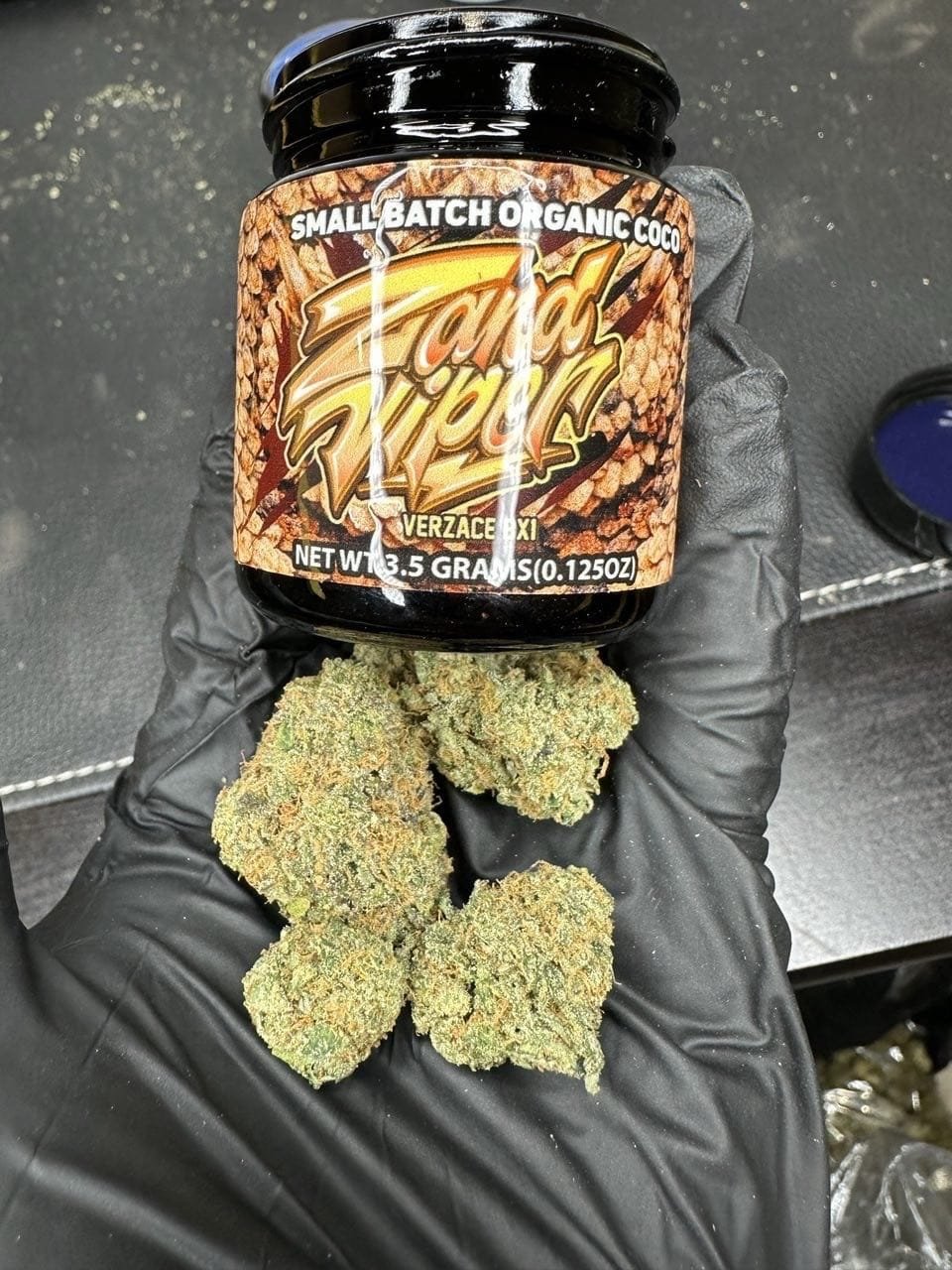
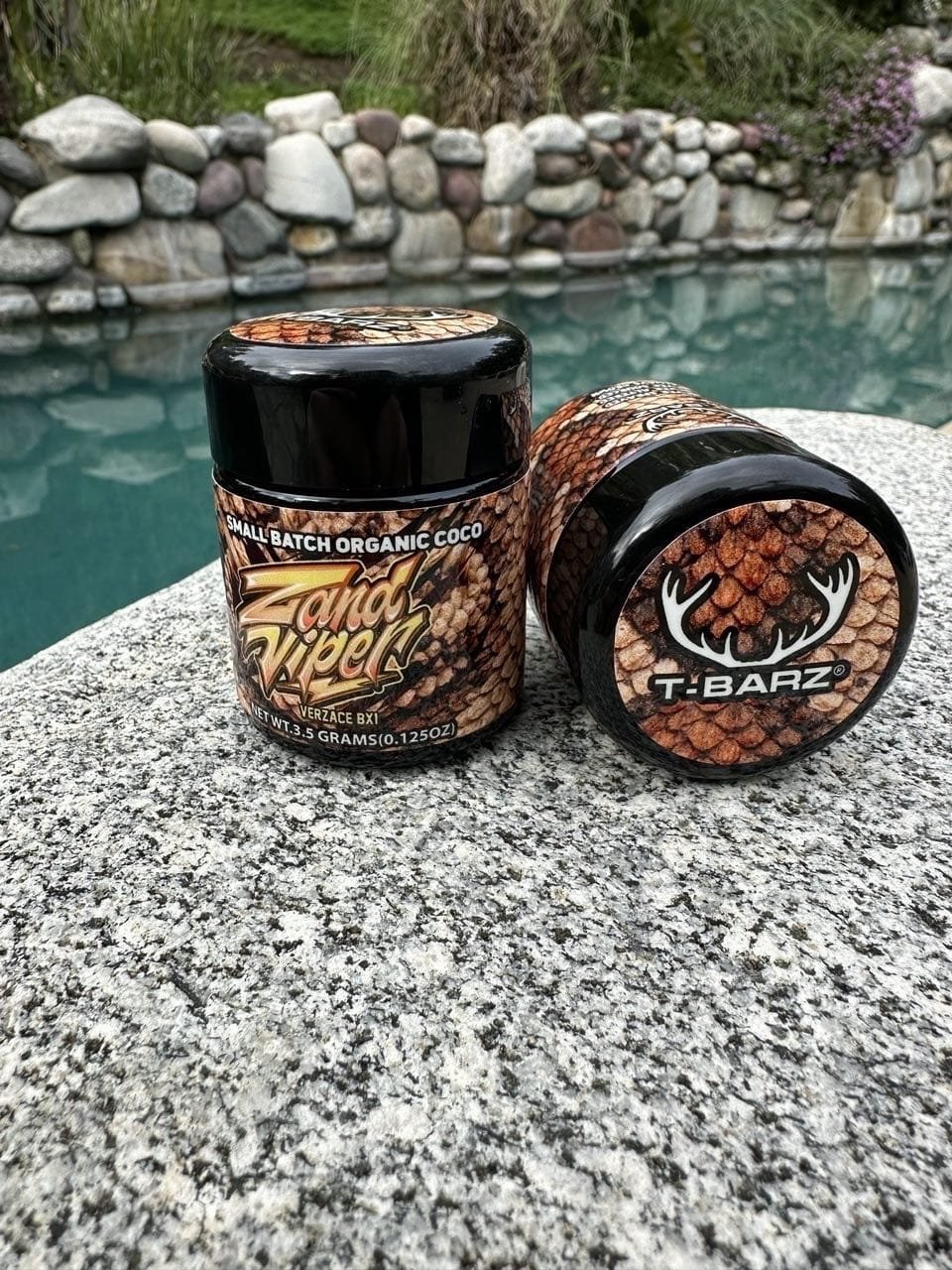
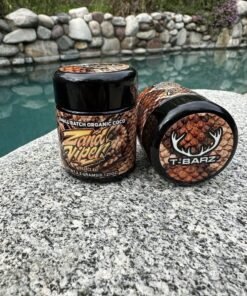
Measurement Standards, and Market Structure of the 3.5g “Eighth” Jar A 3.5g “eighth” jar is defined within regulated cannabis markets as a pre-packaged retail unit containing 3.5 grams of dried cannabis flower. While the term “eighth” originates from traditional weight conventions—specifically one-eighth of an ounce—its legal meaning in licensed markets is governed by commercial measurement law and cannabis-specific regulations. Therefore, the term carries standardized legal significance rather than informal cultural meaning zand viper 3.5g 8th.
In most regulated jurisdictions zand viper 3.5g 8th, cannabis flower must be sold by net weight using certified commercial scales. These scales are calibrated under weights-and-measures authorities to ensure accuracy. Because consumer protection laws apply, a package labeled as 3.5 grams must meet minimum weight standards at the time of sale. Slight tolerances may be defined by regulation; however, underweight products are not permitted in compliant retail systems zand viper 3.5g 8th.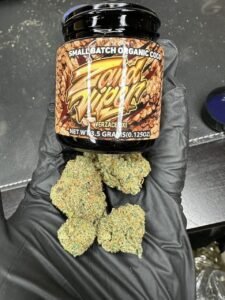
The 3.5g format has become one of the most common retail package sizes in adult-use and medical markets. It represents a moderate purchase amount that aligns with typical possession limits. For example, many jurisdictions set daily purchase caps measured in total grams of flower. As a result, the 3.5g unit fits conveniently within tracking systems that monitor consumer transactions zand viper 3.5g 8th.
In addition to weight compliance, the product inside a 3.5g jar must originate from a licensed cultivation and distribution network. Cannabis in regulated markets is tracked through centralized inventory systems, often referred to as “seed-to-sale” tracking. Each batch receives a unique identifier that follows it through cultivation, harvest, processing, packaging, and retail sale zand viper 3.5g 8th. Consequently, a 3.5g jar can be traced back to its original production lot.
This traceability serves several purposes. First, it reduces the risk of product diversion into unregulated markets. Second, it enables targeted recalls if safety issues arise. Third, it supports regulatory audits that verify inventory accuracy. Because compliance documentation must match physical inventory, retail operations maintain detailed records zand viper 3.5g 8th.
Laboratory testing is another defining feature of regulated 3.5g jars. Before packaging, cannabis flower typically undergoes independent laboratory analysis. Testing protocols vary by jurisdiction; however, they commonly include screening for cannabinoid potency and potential contaminants. These may include microbial organisms, heavy metals, pesticide residues, and other safety indicators zand viper 3.5g 8th.
If a batch fails required laboratory thresholds zand viper 3.5g 8th, it cannot proceed to retail sale. In some systems, remediation may be permitted under strict oversight. Otherwise, non-compliant batches are destroyed. Therefore, laboratory testing functions as a regulatory safeguard before any 3.5g jar enters the consumer marketplace.
Packaging standards further distinguish regulated products. Most jurisdictions require child-resistant containers designed to prevent unintended access by minors zand viper 3.5g 8th. These containers must pass standardized opening-resistance tests. Additionally, tamper-evident features are often required to indicate whether the package has been opened prior to purchase.
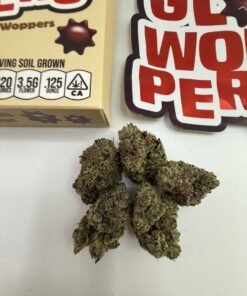
Labeling rules are similarly detailed. A compliant 3.5g jar typically includes zand viper 3.5g 8th:
-
Net weight (3.5 grams)
-
Cannabinoid potency information
-
Batch or lot number
-
Production or packaging date
-
License number of the producer or distributor
-
Government-mandated warning statements
-
Regulatory identification symbols
Because labeling space is limited, fold-out or layered labels may be used. However, required disclosures must remain legible and accessible.
Retail transactions involving 3.5g jars are subject to age verification procedures. Adult-use markets typically require purchasers to meet a minimum legal age threshold. In medical markets, patients must present authorized documentation. Retailers record transactions in compliance systems that monitor daily purchase limits. As a result, sales data contributes to regulatory oversight.
Transportation rules also apply after purchase. Many jurisdictions require cannabis products to remain sealed during vehicle transport. Open-container restrictions may mirror those applied to alcohol. Therefore, retaining the original packaging is often recommended until the product reaches its final storage location.
From a market perspective, the 3.5g jar functions as a standardized retail unit that balances accessibility and regulatory control. It is small enough to comply easily with purchase limits yet substantial enough to represent a meaningful consumer quantity.
In summary, a 3.5g “eighth” jar in regulated cannabis markets represents a legally defined, laboratory-tested, traceable retail product. Its weight is verified under commercial measurement standards. Its contents are screened for safety. Its packaging meets child-resistant and labeling requirements. Its sale is recorded within compliance systems.
Consequently, the 3.5g jar is not simply a traditional measurement reference. It is a structured retail unit embedded within a broader regulatory and consumer protection framework.
SECTION 2: Packaging Integrity, Label Transparency, and Consumer Responsibilities
In regulated cannabis markets, a 3.5g “eighth” jar is defined not only by its weight but also by its packaging, labeling, and post-sale compliance requirements. While measurement standards establish quantity, packaging and disclosure rules establish consumer protection. Therefore, understanding how these elements function together provides clarity about what a compliant retail unit represents.
Child-Resistant and Tamper-Evident Packaging
One of the most consistent regulatory requirements across jurisdictions involves child-resistant packaging. A 3.5g jar must be contained within a certified container that meets defined safety benchmarks. Because accidental access by minors presents a public health concern, regulators require packaging mechanisms that are difficult for children to open.
Common mechanisms include push-and-turn lids, squeeze-and-release systems, or dual-action closures. In many regions, these features must remain effective even after the initial opening. Consequently, resealable child-resistant lids are frequently used.
Tamper-evident features are also required in most regulated markets. These may include sealed liners, breakable tabs, shrink bands, or adhesive seals. If the tamper indicator is compromised before purchase, the product cannot legally be sold. Therefore, tamper evidence functions as an integrity safeguard at the point of sale.
Required Labeling Components
Labeling standards are typically detailed and uniform. A compliant 3.5g jar must include clearly displayed regulatory information. Because transparency supports informed decision-making, labels are designed to disclose standardized data rather than promotional claims zand viper 3.5g 8th.
Required label elements generally include:
-
Net weight (3.5 grams)
-
Cannabinoid potency percentages
-
Batch or lot number
-
Production and packaging dates
-
License number of the producer and/or distributor
-
Government-mandated warning statements
-
Universal regulatory symbols, where applicable
Warning statements often address impairment risks, legal age restrictions, and pregnancy-related advisories. In addition, certain jurisdictions require explicit statements prohibiting driving or operating machinery while impaired.
Labels must remain legible and durable. Because storage conditions can vary, adhesive materials and print durability are regulated to prevent label degradation.
Traceability and Inventory Systems
Each 3.5g jar in a regulated market is linked to a centralized tracking system. Often described as “seed-to-sale” tracking, this system assigns a unique identifier to production batches. Therefore, every retail unit can be traced back to its cultivation origin.
Retailers scan products at the point of sale. This transaction updates compliance databases in real time. As a result, inventory records remain accurate, and regulators can monitor distribution patterns.
Traceability also enables targeted recalls. If laboratory retesting reveals contamination or labeling discrepancies, affected batch numbers can be identified quickly. Consumers who retain original packaging can verify whether their purchase is included in a recall notice.
Storage and Handling Guidance
Although storage laws vary by jurisdiction, consumer guidance is typically provided on or with the packaging. Cannabis flower is sensitive to environmental conditions. Therefore, cool, dark storage environments are generally recommended zand viper 3.5g 8th.
Heat exposure may degrade cannabinoid content over time. Similarly, excessive humidity can introduce moisture imbalance. For these reasons, airtight jars are used to limit oxygen exchange and maintain freshness.
Consumers are encouraged to reseal containers tightly after use. Additionally, original packaging should be retained because it contains legally required labeling and batch information.
Purchase Limits and Age Verification
Regulated markets enforce age restrictions for purchase. Retailers are required to verify identification before completing any transaction involving a 3.5g jar. Because compliance audits are common, ID verification procedures are strictly followed.
Daily purchase limits may also apply. These limits are often expressed as total grams of cannabis flower permitted per transaction or per day. A 3.5g jar serves as a standardized increment within this framework.
Consumers must comply with possession limits once a purchase is completed. Transporting quantities that exceed local legal thresholds may result in penalties zand viper 3.5g 8th.
Transportation Regulations
In many jurisdictions, cannabis products must remain sealed during vehicle transport. Open-container restrictions may mirror alcohol regulations. Consequently, consumers are typically advised to keep the 3.5g jar in its original sealed packaging until reaching a lawful storage location zand viper 3.5g 8th.
Some regions require products to be stored in areas of a vehicle that are inaccessible to the driver while in transit. Therefore, awareness of local transport laws is essential.
Advertising and Claim Restrictions
Marketing restrictions significantly influence how 3.5g jars are presented in regulated markets. Health or medical claims are generally prohibited unless specifically authorized by regulatory agencies. Therefore, product labeling focuses on factual disclosures rather than promotional language.
Design elements that appeal primarily to minors are also restricted. As a result, packaging aesthetics tend to emphasize compliance clarity rather than entertainment value zand viper 3.5g 8th.
Compliance Accountability
Retailers and producers are subject to inspections and audits. Documentation must match physical inventory records. If discrepancies are identified, enforcement actions may follow.
Because compliance systems rely on accurate reporting, consumer transactions become part of broader regulatory oversight. Therefore, purchasing through licensed retailers ensures participation in a controlled and accountable market structure.
Summary of Section 2
A 3.5g eighth jar in regulated cannabis markets represents more than a measured quantity of product. It exists within a comprehensive compliance environment that includes:
-
Certified child-resistant and tamper-evident packaging
-
Detailed and standardized labeling
-
Centralized traceability systems zand viper 3.5g 8th
-
Age verification and purchase limits zand viper 3.5g 8th
-
Storage and transportation regulations
-
Advertising and marketing restrictions
Together, these measures ensure that the 3.5g jar functions as a transparent, traceable, and regulated retail unit within licensed cannabis systems.
Quality Assurance, Laboratory Testing, and Ongoing Regulatory Oversight
In regulated cannabis markets, a 3.5g “eighth” jar represents a product that has passed through structured quality control systems before reaching retail shelves. While packaging and labeling establish transparency, laboratory testing and compliance audits establish safety. Therefore, this section outlines how quality assurance frameworks support consumer protection and regulatory accountability.
Pre-Retail Laboratory Testing
Before cannabis flower is packaged into 3.5g jars, it typically undergoes mandatory third-party laboratory analysis. These laboratories operate under state or national accreditation standards. Because product safety is a regulatory priority, testing protocols are defined by law rather than optional best practices.
Common testing categories include:
-
Cannabinoid potency analysis
-
Microbial contamination screening
-
Heavy metal testing
-
Pesticide residue analysis
-
Mycotoxin screening
-
Moisture content or water activity measurement
Potency testing verifies the concentration of cannabinoids present in the batch. As a result, labeled percentages reflect laboratory-verified data rather than internal estimates. Contaminant screening ensures that microbial organisms, toxic residues, or foreign materials do not exceed allowable limits.
If a batch fails required thresholds, it cannot legally be packaged or sold. In some jurisdictions, remediation procedures may be permitted under regulatory supervision. However, if remediation is not allowed or fails to meet standards, the batch must be destroyed. Therefore, testing functions as a compliance gateway prior to retail distribution.
Certificates of Analysis (COA)
Testing results are typically documented in a Certificate of Analysis (COA). This document provides detailed breakdowns of potency values and contaminant findings for a specific batch. In many regulated markets, QR codes printed on 3.5g jars link directly to the associated COA.
Because COAs are generated by independent laboratories, they offer verifiable transparency. Consumers can review cannabinoid content, laboratory credentials, and testing dates. Additionally, batch numbers printed on the jar allow the consumer to confirm that the COA matches the purchased product.
The COA generally includes:
-
Total cannabinoid profile
-
Individual cannabinoid percentages
-
Contaminant screening results
-
Testing date
-
Laboratory license information
-
Batch identification reference
As a result, the 3.5g jar is supported by documented analytical verification.
Batch Tracking and Recall Procedures
Traceability extends beyond testing. Each 3.5g jar is linked to a production batch within centralized tracking systems. This tracking allows regulators to identify specific units if a recall becomes necessary.
Recalls may occur due to labeling discrepancies, contamination findings, or administrative errors. Because each jar carries a batch identifier, affected products can be isolated quickly. Consumers who retain original packaging can verify recall eligibility using batch numbers.
Regulatory agencies often publish recall notices through official channels. Retailers may also notify consumers directly where permitted. Consequently, traceability enhances response efficiency in the event of safety concerns.
Weight Verification and Commercial Compliance
Net weight compliance remains a foundational requirement. During packaging, licensed facilities use calibrated scales that meet commercial measurement standards. Because underweight products violate consumer protection laws, inspection authorities may conduct periodic audits zand viper 3.5g 8th.
Moisture content can influence weight stability. However, packaging protocols are designed to ensure that net weight remains within acceptable tolerance ranges at the time of sale. Retailers are typically required to store products under appropriate environmental conditions to maintain quality zand viper 3.5g 8th.
Shelf Life and Degradation Awareness
Although dried cannabis flower is not perishable in the traditional sense, chemical composition can change over time. Exposure to light zand viper 3.5g 8th, heat, and oxygen may alter cannabinoid profiles gradually zand viper 3.5g 8th. Therefore, some jurisdictions require packaging or harvest dates to be disclosed zand viper 3.5g 8th.
Expiration or “best by” dates may also appear on labels, depending on local regulations. These dates provide guidance regarding quality retention rather than safety expiration in the food context zand viper 3.5g 8th.
Proper storage remains important after purchase zand viper 3.5g 8th. Cool zand viper 3.5g 8th, dark environments reduce degradation rates. Additionally, airtight sealing preserves freshness and moisture balance zand viper 3.5g 8th.
Regulatory Audits and Enforcement
Licensed producers and retailers operate under ongoing regulatory oversight. Inspections may evaluate documentation accuracy, testing compliance, packaging conformity, and inventory reconciliation.
If non-compliance is identified, corrective actions may include product holds, administrative penalties, or license suspension. Because regulatory systems rely on documented accountability, maintaining accurate records is mandatory zand viper 3.5g 8th.
Retailers must demonstrate that each 3.5g jar originated from a licensed source and passed required testing. Therefore, compliance documentation accompanies products throughout the supply chain zand viper 3.5g 8th.
Consumer Awareness and Responsible Handling zand viper weeds
Regulated markets typically require consumer advisory statements on packaging. These statements address impairment risks, legal age restrictions, and safe storage practices zand viper 3.5g 8th.
Consumers are encouraged to review potency information prior to use. Because cannabinoid concentrations vary between batches, labeling provides critical context for informed decision-making zand viper 3.5g 8th.
Purchasing through licensed retailers ensures that the product has passed regulated testing and traceability protocols. Unregulated sources may not provide comparable safety verification zand viper 3.5g 8th.
Summary of Section 3 zand viper 3.5g 8th weed
A 3.5g “eighth” jar in regulated cannabis markets operates within a structured quality assurance framework that includes zand viper 3.5g 8th:
-
Independent laboratory testing
-
Certificates of Analysis documentation
-
Batch traceability systems
-
Weight verification standards
-
Shelf-life labeling guidance zand viper 3.5g 8th
-
Regulatory inspections and audits
-
Recall response procedures zand viper 3.5g 8th
Together, these measures support transparency, accountability, and consumer safety. Consequently, a compliant 3.5g jar represents a regulated retail unit backed by documented oversight from production through final sale.
Market Standardization, Retail Practices, and Consumer Decision-Making In regulated cannabis markets, the 3.5g “eighth” jar has become a standardized retail format that supports inventory control, pricing transparency, and consumer familiarity. While earlier sections addressed compliance and safety frameworks, this section focuses on how the 3.5g unit functions within modern retail systems and influences purchasing decisions zand viper 3.5g 8th.
Standardization Across Licensed Markets zand viper 3.5g 8th cannabis
The 3.5g format is widely recognized because it aligns with both traditional measurement conventions and modern regulatory requirements. Although regulations differ by jurisdiction, the 3.5g unit is consistently used as a retail baseline. Therefore, it allows for uniform packaging practices across licensed producers.
Standardization simplifies inventory management. Retail systems track units by weight and batch number. Because the 3.5g jar is a fixed increment, sales data can be recorded accurately within centralized compliance software. As a result, retailers maintain real-time inventory visibility and regulatory reporting accuracy.
In addition, standardized packaging reduces confusion at the point of sale. Consumers can compare products more easily when quantities are consistent. Consequently, pricing comparisons become clearer across brands and product lines.



Reviews
There are no reviews yet.