
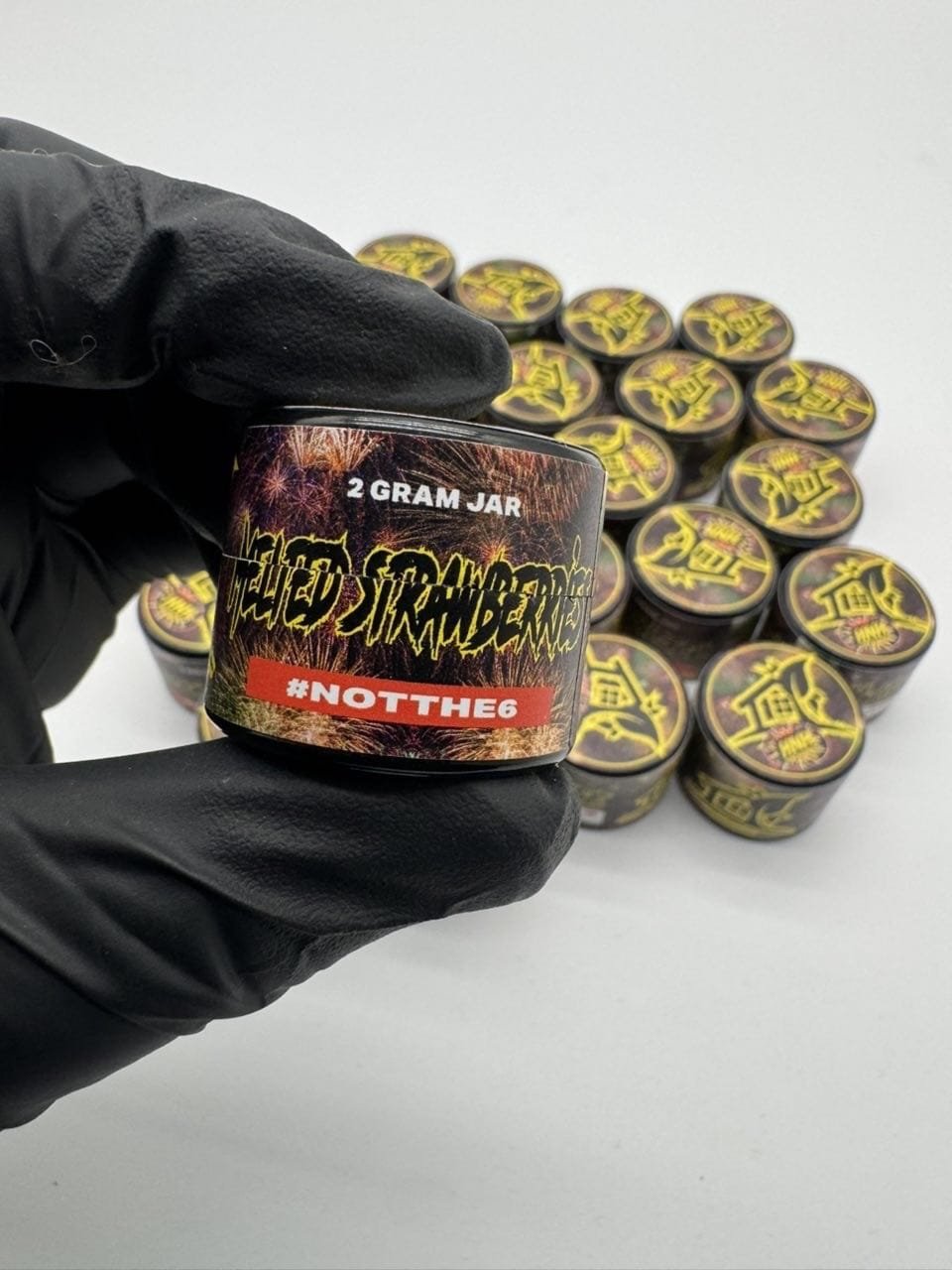
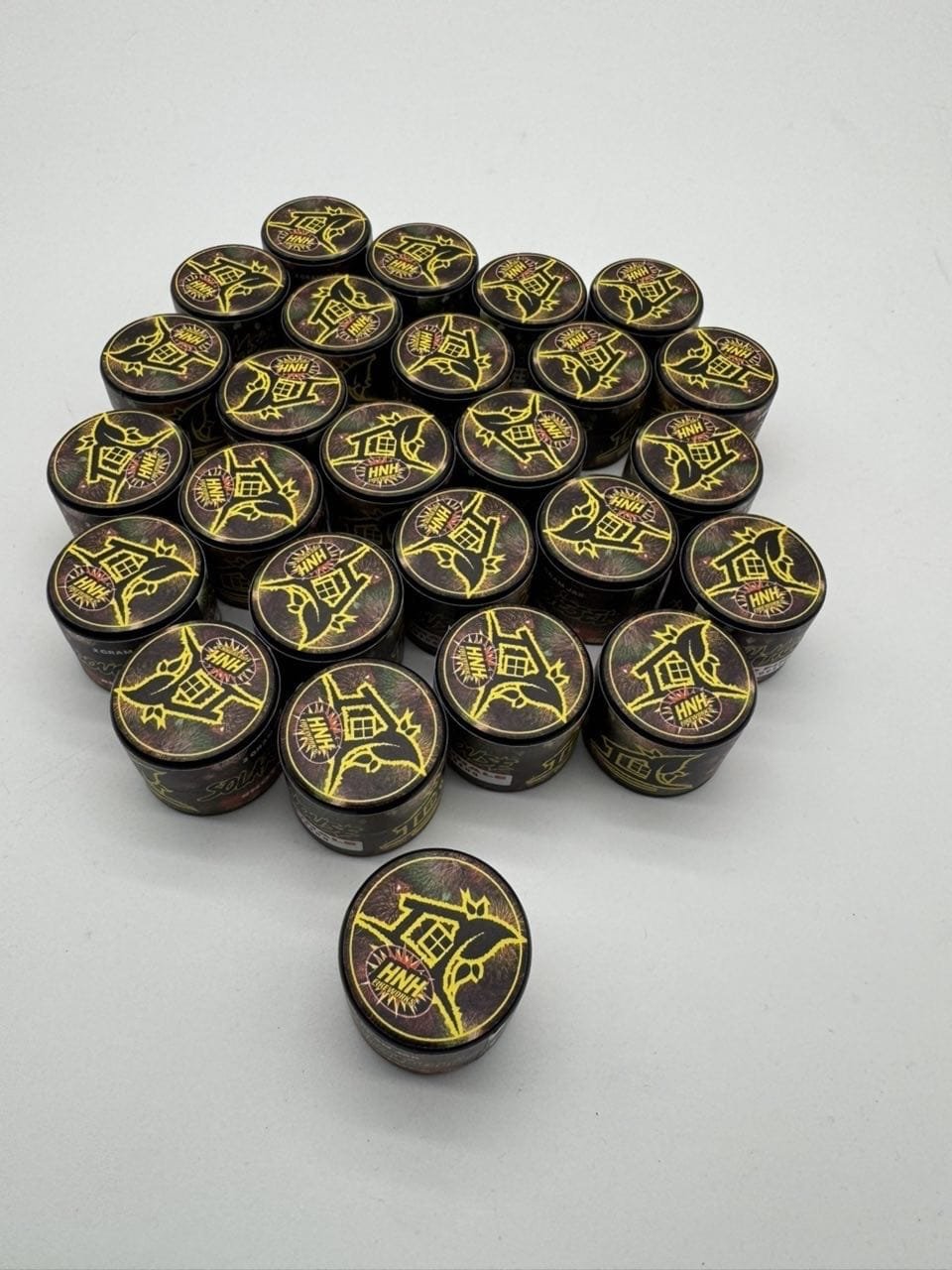
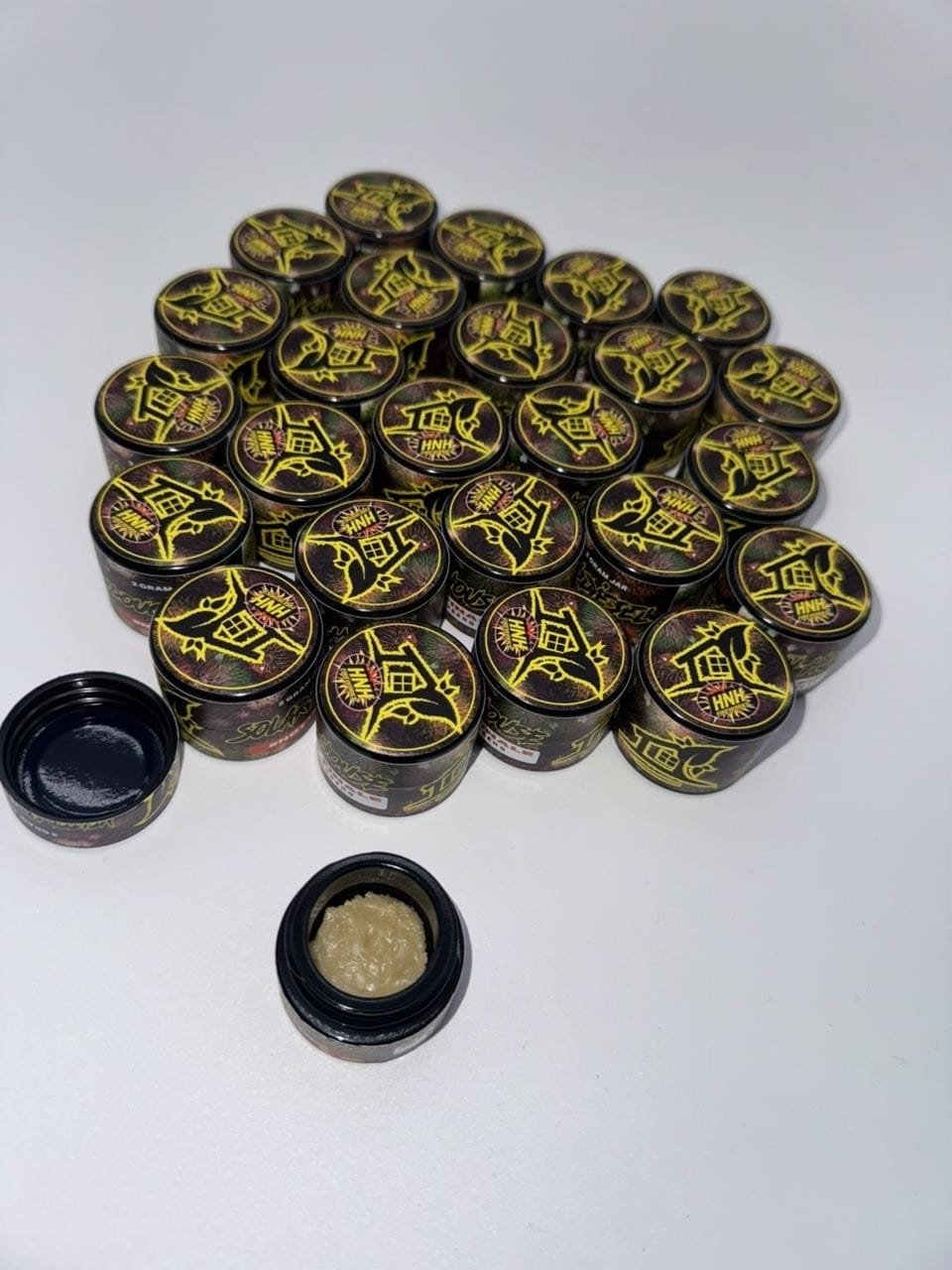
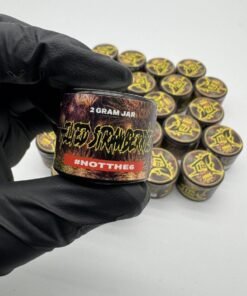
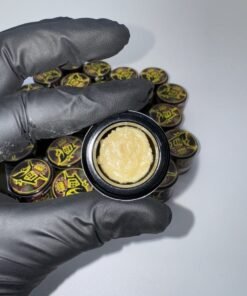
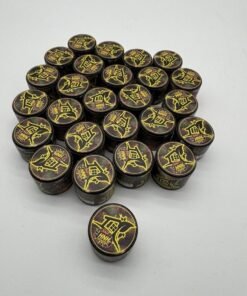
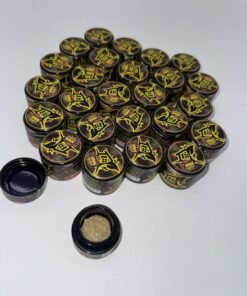
HASH HOUSE COLD CURE ROSIN SUPER FIRE 2G JARS
Price range: $300.00 through $1,550.00
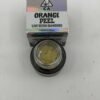
HASH HOUSE Cold Cure Botanical Resin Super Fire represents a deliberate expression of small-batch botanical refinement. Rather than emphasizing speed or volume, this formulation prioritizes patience, temperature discipline, and structural balance. Consequently, each 2G glass jar reflects controlled craftsmanship and aesthetic precision.
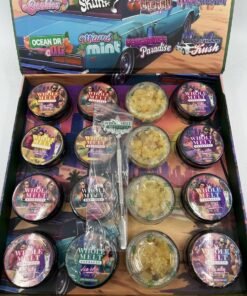
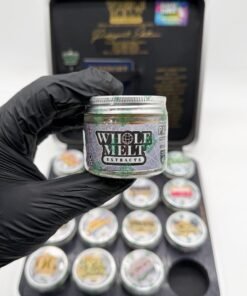
HASH HOUSE Cold Cure Botanical Resin – Super Fire 2G Artisan Glass Jar
A Refined Approach to Cold Stabilization and Artisan Processing
True refinement does not rely on speed. Instead, it relies on discipline. HASH HOUSE Cold Cure Botanical Resin Super Fire begins with a structured philosophy: preserve botanical integrity through controlled stabilization. While many processes accelerate transformation through elevated heat, this approach emphasizes gradual development under consistent environmental parameters. Consequently, the final texture and aromatic depth emerge naturally rather than forcefully hash house cold cure rosin 2g jar.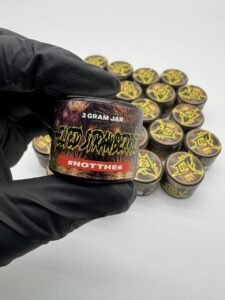
The Philosophy Behind Cold Cure
Cold curing involves low-temperature stabilization after initial separation. Rather than exposing the resin to aggressive thermal cycles, the material rests within a carefully monitored environment. As a result, volatile aromatic components remain intact hash house cold cure rosin 2g jar.
This slow stabilization phase allows natural oils to redistribute evenly throughout the extract. Therefore, structural cohesion improves without excessive manipulation hash house cold cure rosin 2g jar. Moreover, the resin achieves a uniform, whipped consistency that reflects internal balance hash house cold cure rosin 2g jar.
Because temperature remains controlled throughout the curing cycle, the risk of terpene degradation decreases significantly. Consequently, aromatic clarity remains multidimensional.
Texture Integrity and Creamed Structure
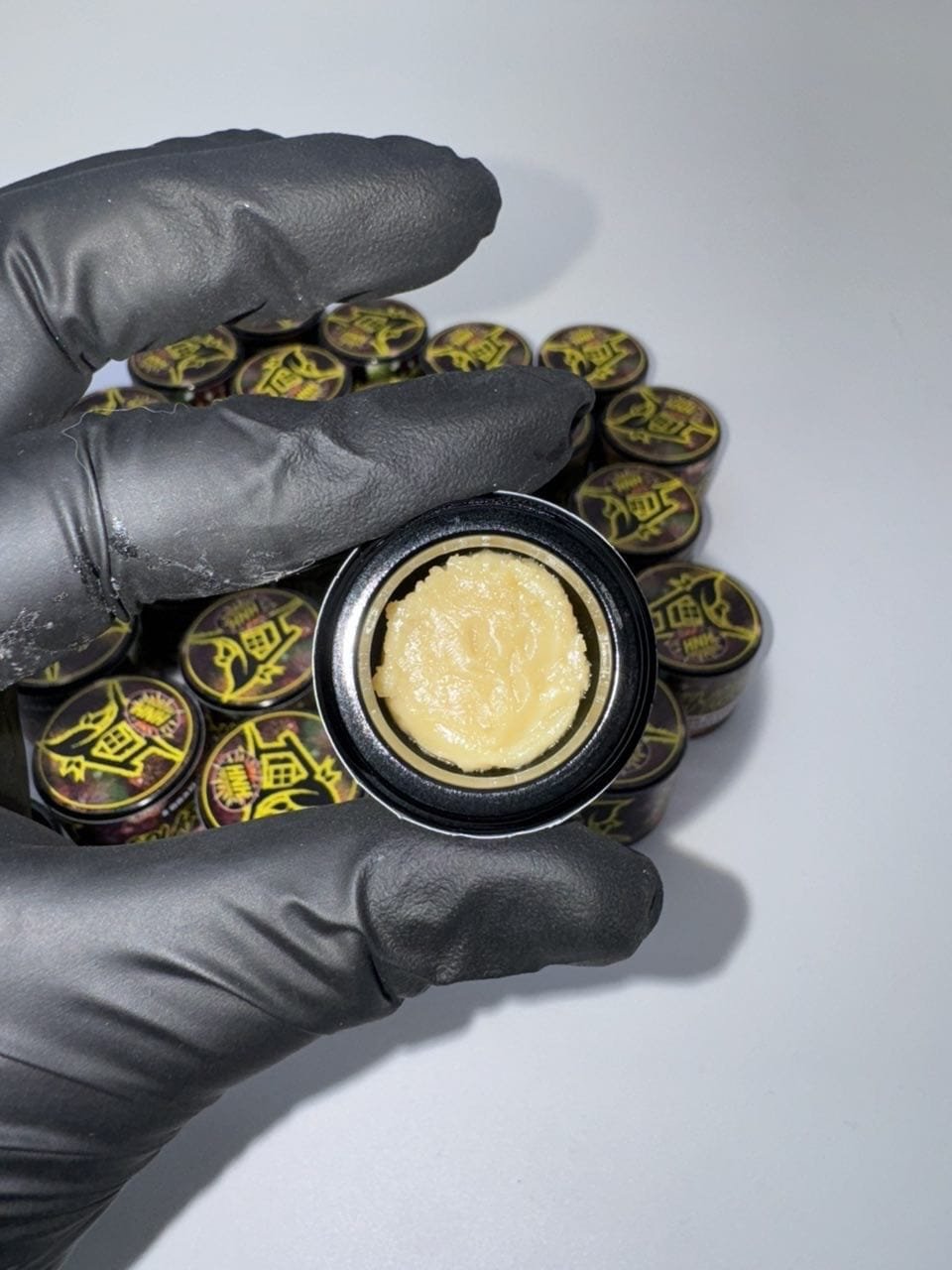
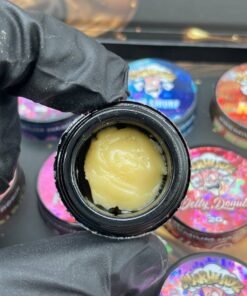
Texture signals processing discipline immediately. A brittle or separated surface suggests imbalance. However, HASH HOUSE Cold Cure Botanical Resin Super Fire presents a smooth, cohesive profile.
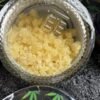
During the cold stabilization phase, internal oils integrate gradually with crystalline components. As a result, the texture develops a creamed, pliable form rather than a fragmented structure hash house cold cure rosin 2g jar.
This consistency enhances visual refinement. Instead of layered separation, the jar reveals uniform density from top to base.
Furthermore, controlled humidity levels prevent excessive dryness hash house cold cure rosin 2g jar. Therefore, elasticity remains intact over time hash house cold cure rosin 2g jar.
Aromatic Complexity and Layered Depth
Aromatic preservation remains central to the cold cure process. High temperatures can flatten delicate scent layers. However, low-temperature stabilization protects volatile compounds more effectively hash house cold cure rosin 2g jar.
Primary aromatic notes remain vibrant. Meanwhile, secondary and tertiary layers unfold gradually. Consequently, the sensory profile feels structured rather than singular hash house cold cure rosin 2g jar.
This multidimensional aroma supports collector appeal. Because scent influences perceived quality, preserved terpene layering reinforces product credibility hash house cold cure rosin 2g jar.
Moreover, aromatic stability contributes to long-term structural balance hash house cold cure rosin 2g jar. Therefore, separation within the jar remains minimal when stored properly.
The Super Fire Identity
The “Super Fire” designation signals intensity within refinement. However, intensity does not imply aggression. Instead, it reflects concentrated aromatic character supported by cohesive structure.
Cold curing enhances this identity by stabilizing internal oils evenly. As a result, depth becomes apparent without overpowering subtle nuances hash house cold cure rosin 2g jar.
The presentation remains bold yet controlled. Consequently, the product balances expressive character with disciplined processing hash house cold cure rosin 2g jar.
Glass Jar Preservation and Presentation
Packaging influences longevity. Therefore, HASH HOUSE stores this botanical resin in airtight, UV-resistant 2G glass jars.
Glass offers chemical neutrality. Consequently, aromatic integrity remains protected from external interference.
The 2G format also reduces unnecessary air exposure after opening. Therefore, oxidation occurs more gradually.
Additionally, the compact jar enhances presentation value. As a result, the product aligns with curated, small-batch positioning hash house cold cure rosin 2g jar.
Stability Over Time
Cold stabilization supports structural endurance. Because oils redistribute gradually during curing, long-term separation remains limited hash house cold cure rosin 2g jar.
Proper storage at moderate temperatures preserves consistency. Consequently, texture integrity persists beyond initial opening.
This stability reflects disciplined processing rather than artificial modification.
Botanical Sourcing and Extraction Discipline
If Section 1 established the philosophy behind cold stabilization, Section 2 turns to the foundation of quality itself: botanical sourcing and extraction discipline. While curing refines texture and aroma, the integrity of the starting material determines structural potential. Therefore, HASH HOUSE Cold Cure Botanical Resin Super Fire begins long before stabilization. As a result, the 2G glass jar reflects not only patient curing, but also intentional selection and controlled separation hash house cold cure rosin 2g jar.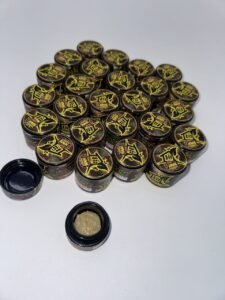
Intentional Botanical Selection
Quality cannot be manufactured after the fact. Instead, it must originate at the source. HASH HOUSE prioritizes botanical material selected for resin density, aromatic complexity, and structural balance. Consequently, only high-integrity inputs proceed to extraction hash house cold cure rosin 2g jar.
Trichome richness plays a critical role in resin potential. Because aromatic compounds concentrate within these structures, preservation begins at harvest. Therefore, handling protocols minimize mechanical disruption prior to processing hash house cold cure rosin 2g jar.
Moisture balance is also evaluated carefully. Excess humidity can destabilize resin texture later. However, insufficient moisture may lead to brittleness. As a result, environmental control during storage becomes essential hash house cold cure rosin 2g jar.
Through disciplined sourcing criteria, extraction begins with stable and consistent botanical matter hash house cold cure rosin 2g jar.
Clean Separation Philosophy
Extraction discipline influences both clarity and cohesion. Rather than relying on aggressive thermal manipulation, HASH HOUSE emphasizes controlled separation methods. hash house cold cure rosin 2g jar
Low-temperature handling reduces degradation risk. Consequently, volatile aromatic compounds remain preserved during early stages hash house cold cure rosin 2g jar.
Mechanical filtration removes unwanted plant particles without applying excessive force. Because harsh pressure can distort structural oils, gentle refinement maintains integrity hash house cold cure rosin 2g jar.
This approach balances purity with preservation hash house cold cure rosin 2g jar. Therefore, the resin retains its natural complexity rather than becoming overly refined.
Oil and Resin Balance During Extraction
Resin contains a delicate relationship between oils and crystalline components. If separated too aggressively, imbalance may occur. However, controlled extraction supports early structural harmony.
By moderating environmental variables, oil distribution begins evenly. Consequently, cold cure stabilization later becomes more predictable.
This early balance reduces the likelihood of post-packaging separation. As a result, long-term jar stability improves.
Furthermore, consistent agitation levels prevent over-processing hash house cold cure rosin 2g jar. Therefore, texture cohesion develops naturally.
Temperature Discipline and Aromatic Retention
Temperature management remains central throughout extraction. High heat may accelerate yield. However, it can also compromise terpene integrity.
HASH HOUSE limits thermal exposure during processing hash house cold cure rosin 2g jar. Consequently, aromatic layers remain structured and multidimensional.
Primary notes retain vibrancy. Meanwhile, subtle secondary tones remain intact. As a result, aromatic complexity becomes layered rather than flat.
This temperature discipline also protects oil viscosity. Therefore, texture remains pliable instead of brittle.
Small-Batch Precision and Traceability
Large-scale extraction may increase volume, but it often reduces oversight. Instead, HASH HOUSE maintains small-batch production cycles hash house cold cure rosin 2g jar.
Each batch remains isolated and documented carefully. Consequently, quality control can track variations precisely.
Visual inspection occurs at multiple stages. Color clarity, oil balance, and structural cohesion are evaluated before cold curing begins hash house cold cure rosin 2g jar. Therefore, only balanced batches proceed to stabilization.
Traceability strengthens consistency. As a result, collector confidence increases.
Purity Verification and Quality Metrics
Extraction quality must be measurable. Therefore, internal evaluation focuses on clarity, moisture control, and structural integrity.
Moisture levels are monitored carefully. Because excess moisture may disrupt curing stability, controlled drying parameters are applied when necessary.
Color uniformity and surface clarity are also assessed. Consequently, visual consistency aligns with processing standards.
These metrics ensure that cold curing refines already stable material rather than compensating for imbalance.
Integration with Cold Cure Stabilization
Extraction and cold stabilization operate as complementary phases. When resin enters curing with balanced oil content and preserved aromatic structure, texture refinement becomes smoother.
Consequently hash house cold cure rosin 2g jar, the final 2G jar reflects cohesion rather than correction.
Because early discipline supports later stability, long-term structural integrity strengthens naturally.
Texture Evolution, Oil Redistribution, and Long-Term Structural Stability
If Section 2 examined sourcing and extraction discipline, Section 3 focuses on the transformation that occurs during stabilization. While raw resin contains natural potential, texture refinement depends on internal oil balance and environmental control. Therefore, HASH HOUSE Cold Cure Botanical Resin Super Fire undergoes gradual structural evolution designed to strengthen cohesion. As a result, the finished 2G jar presents a uniform, stable, and visually refined consistency hash house cold cure rosin 2g jar.
The Science Behind Texture Evolution
Texture does not emerge by accident. Instead, it develops through molecular interaction between oil fractions and crystalline components. During cold stabilization, these elements reorganize gradually under controlled temperatures. Consequently, separation decreases while cohesion improves.
Unlike high-heat techniques that force rapid crystallization, cold curing allows natural integration over time. Therefore, the final consistency feels smooth and whipped rather than brittle or fragmented.
This transformation occurs in stages. Initially, oil mobility increases slightly. Then, as equilibrium forms, crystalline structures settle evenly within the oil matrix. As a result, internal harmony strengthens.
Controlled Oil Redistribution
Botanical resin contains naturally occurring oils that influence elasticity and structure. If oils separate from crystalline content, texture instability may follow. However, cold curing encourages redistribution.
Because temperature remains consistent, oil migration occurs gradually. Consequently, pooling within the jar is minimized.
This redistribution supports long-term balance. Moreover, it enhances handling consistency.
Uniform oil dispersion prevents dry pockets from forming. Therefore, pliability remains consistent from surface to base hash house cold cure rosin 2g jar.
Crystalline Moderation and Density Balance
Crystalline elements contribute density and structure. However, excessive crystallization can create uneven texture. Therefore, environmental parameters remain stable throughout curing.
By limiting temperature fluctuation, crystal growth is moderated rather than accelerated. Consequently, density remains balanced.
The surface texture appears cohesive instead of granular. As a result, visual uniformity reflects disciplined stabilization.
This moderation process ensures that crystalline components support structure rather than dominate it.
Moisture Stability and Environmental Control
Moisture levels influence long-term consistency. Excess humidity may soften texture excessively. Meanwhile, insufficient moisture can cause brittleness. Therefore, controlled humidity plays a vital role during curing.
Environmental parameters remain steady to prevent abrupt shifts. Consequently, structural equilibrium persists.
Once sealed in the 2G glass jar, airtight containment reduces further environmental exposure. As a result, internal moisture balance stabilizes for extended periods.
Proper storage further enhances this stability. Therefore, maintaining moderate temperature conditions supports structural longevity.
Oxidation Resistance and Preservation
Oxidation affects both aroma and texture over time. However, airtight glass packaging reduces oxygen exposure significantly.
Cold curing also strengthens oil cohesion before packaging. Consequently, structural breakdown occurs more gradually than in rapidly processed alternatives.
Because UV-resistant glass limits light penetration, aromatic compounds remain protected. As a result, both texture and scent maintain clarity longer.
This layered preservation approach reinforces collector-grade presentation.
Handling Characteristics and Visual Refinement
Texture integrity influences perception immediately. A stable, whipped consistency signals careful processing. Conversely, uneven separation suggests imbalance.
HASH HOUSE Cold Cure Botanical Resin Super Fire presents a matte, cohesive surface. Therefore, the jar reveals uniform density throughout.
Handling remains predictable due to internal balance. Consequently, structure responds consistently without crumbling or pooling.
Visual refinement also reflects structural precision. Because oil distribution remains even, surface appearance aligns with internal composition.
Integration with Extraction Discipline
Texture stabilization builds upon extraction discipline. When resin enters curing with balanced oil content and preserved aromatic compounds, structural evolution becomes more predictable.
Therefore, cold cure refinement enhances rather than corrects.
Because sourcing and extraction established foundational balance, texture cohesion develops naturally during stabilization.
This integration between stages strengthens long-term stability.
Long-Term Structural Integrity
Over time, inferior processing methods may lead to separation. However, cold cure stabilization reduces this risk.
Gradual oil redistribution and crystalline moderation create a stable internal matrix. Consequently, separation remains minimal under proper storage conditions.
Structural integrity persists beyond initial presentation. As a result, the 2G jar maintains cohesive character throughout its lifecycle.
Aromatic Architecture and Terpene Layering
If Section 3 explored texture evolution and structural stability, Section 4 turns to aromatic architecture—the invisible framework that defines sensory identity. While texture signals processing discipline visually, aroma reveals depth, balance, and botanical character immediately. Therefore, HASH HOUSE Cold Cure Botanical Resin Super Fire is structured around terpene preservation and layered aromatic development. As a result, the 2G jar delivers complexity that unfolds gradually rather than overwhelming instantly.
Understanding Aromatic Architecture
Aromatic architecture refers to the layered arrangement of volatile compounds within botanical resin. Instead of presenting a singular scent note, refined resin expresses primary, secondary, and tertiary layers in sequence. Consequently, the sensory experience feels dimensional.
Primary notes introduce the dominant aromatic profile. These elements appear first upon opening the jar. However, secondary tones develop subtly beneath the surface. Meanwhile, tertiary nuances provide lingering depth.
Because cold cure stabilization preserves volatile compounds more effectively than rapid thermal processing, aromatic structure remains intact. Therefore, the fragrance profile retains natural complexity.
Primary Notes: Immediate Character
The first aromatic impression defines perception. In Super Fire formulation, primary notes exhibit concentrated intensity balanced by clarity. Rather than presenting harsh sharpness, the profile opens with structured vibrancy.
Cold stabilization prevents terpene evaporation during curing. Consequently, the initial aromatic impact remains expressive yet controlled.
Primary scent layers may include earthy, citrus-forward, or herbal tones depending on botanical origin. However, these dominant characteristics remain harmonized rather than chaotic.
This balance strengthens collector appeal. As a result, aroma becomes recognizable without losing nuance.
Secondary Layers: Depth and Transition
Beneath the initial profile lies a second tier of aromatic expression. These notes reveal themselves gradually through exposure to air and moderate warmth.
Because temperature remained controlled during curing, subtle compounds were not lost prematurely. Consequently, secondary layers support complexity.
These tones often introduce softer herbal accents, resinous undertones, or light sweetness. Therefore, aromatic transition feels smooth rather than abrupt.
The interplay between primary and secondary notes enhances perceived refinement.
Tertiary Nuances: Lingering Complexity
Tertiary layers complete the aromatic structure. Although less pronounced initially, they contribute to overall cohesion.
Cold cure stabilization protects these delicate compounds. As a result, lingering scent depth persists.
These nuances may reflect subtle woody or botanical elements that anchor the fragrance profile.
The gradual unfolding of tertiary notes strengthens long-term sensory engagement. Therefore, the aromatic journey feels layered rather than immediate and fleeting.
Terpene Preservation Through Temperature Discipline
Terpenes remain highly sensitive to heat exposure. Elevated temperatures can degrade volatile compounds quickly. Therefore, controlled cold stabilization plays a central role in preserving aromatic architecture.
By limiting thermal fluctuation, HASH HOUSE protects both intensity and subtlety. Consequently, scent layers maintain structural integrity.
This preservation supports consistent batch expression. As a result, aromatic identity remains recognizable across production cycles.
Environmental Protection and Jar Integrity
Aromatic stability extends beyond curing. Exposure to light and oxygen can degrade volatile compounds over time. Therefore, the 2G jar incorporates airtight sealing and UV-resistant glass.
These preservation measures limit oxidation. Consequently, aromatic clarity remains stable under proper storage conditions.
Reduced oxygen exposure slows terpene breakdown. As a result, fragrance retention improves significantly.
Sensory Cohesion and Brand Identity
Aromatic architecture contributes directly to brand recognition. When scent remains layered and cohesive, perception aligns with craftsmanship.
Super Fire designation reflects concentrated aromatic intensity without sacrificing nuance. Therefore, bold character coexists with structured refinement.
Because scent influences first impressions strongly, preserved terpene layering reinforces premium positioning.
Long-Term Aromatic Stability
Cold cure stabilization supports extended aromatic retention. Gradual oil redistribution during curing anchors volatile compounds more effectively.
Consequently, separation between oil and aromatic fractions remains limited.
Proper storage enhances this longevity. Therefore, maintaining moderate temperature conditions protects scent clarity.
Over time, subtle evolution may occur naturally. However, structural integrity prevents rapid degradation.
Packaging Engineering, Preservation Strategy, and Collector Presentation
If Section 4 examined aromatic architecture and terpene layering, Section 5 turns to the physical framework that protects those qualities over time. While extraction and cold stabilization establish internal balance, packaging engineering safeguards that balance externally. Therefore, HASH HOUSE Cold Cure Botanical Resin Super Fire 2G is presented in a purpose-built glass container designed for preservation, durability, and collector appeal. As a result, the jar functions not only as storage, but also as a controlled micro-environment hash house cold cure rosin 2g jar.
Glass as a Preservation Medium
Material selection directly influences long-term stability. Plastic containers may allow microscopic oxygen transfer or react subtly with volatile compounds. However, glass remains chemically neutral hash house cold cure rosin 2g jar.
Because glass does not absorb or leach aromatic compounds, terpene integrity remains protected. Consequently, scent layering described earlier retains clarity hash house cold cure rosin 2g jar.
Additionally, glass resists structural warping under moderate temperature fluctuation. Therefore, the container maintains sealing precision over time hash house cold cure rosin 2g jar.
The density of the glass also enhances perceived quality. As a result, tactile weight reinforces premium positioning hash house cold cure rosin 2g jar.
UV Resistance and Light Protection
Light exposure accelerates degradation of volatile botanical compounds. Therefore, HASH HOUSE incorporates UV-resistant glass construction.
By limiting ultraviolet penetration, the jar reduces terpene breakdown. Consequently, aromatic stability improves significantly.
This protective feature supports longer shelf presence without rapid sensory change. As a result, collector storage becomes more viable.
UV resistance works in conjunction with airtight sealing to create a layered preservation strategy.
Airtight Seal Architecture
Oxygen exposure remains one of the primary factors influencing texture separation and aromatic loss. Therefore, the 2G jar incorporates a precision-sealed lid system.
The seal forms a tight barrier between internal content and external air. Consequently, oxidation slows dramatically.
Threading alignment ensures consistent closure pressure. Because uneven closure may compromise airtight integrity, precision threading preserves stability.
The interior liner reinforces oxygen resistance further. As a result, the jar maintains controlled atmospheric conditions after sealing.
Compact 2G Format and Controlled Air Space hash rosin jar
Jar size influences internal air volume. Larger containers introduce excess oxygen when opened. However, the 2G format reduces headspace proportionally.
Less internal air reduces oxidation exposure upon reopening. Consequently, long-term consistency improves.
This compact presentation also supports portion control and collector organization. Therefore, the jar aligns with curated, small-batch philosophy.
Balanced size enhances both preservation and presentation.
Structural Durability and Handling 90 120u rosin
Collector presentation must remain durable. Therefore, the jar’s wall thickness was selected to resist minor impact.
Glass density absorbs moderate handling stress. Consequently, accidental surface contact is less likely to compromise structural integrity.
The lid construction incorporates reinforced threading to prevent stripping. As a result, repeated opening and closing does not weaken alignment easily.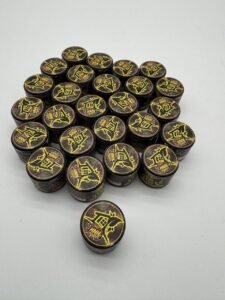
These durability considerations extend functional lifespan beyond initial presentation.
Labeling Discipline and Brand Aesthetic
Brand presentation influences perceived refinement. Instead of excessive graphic overlays, HASH HOUSE adopts disciplined labeling.
Minimal typography emphasizes clarity. Consequently, visual presentation aligns with artisan positioning.
Batch information may be displayed cleanly to reinforce small-batch traceability. Therefore, transparency strengthens credibility.
The overall aesthetic remains understated yet confident. As a result, collector appeal increases.
Storage Recommendations and Longevity hash house rosin
Packaging engineering performs optimally when paired with proper storage. Moderate temperature conditions help preserve both texture and aroma.
Direct sunlight should be avoided to maintain UV-resistant effectiveness. Consequently, structural stability improves.
Storing the jar upright reduces unnecessary contact with lid liners. As a result, internal balance remains undisturbed.
These simple practices support long-term preservation strategy.
Environmental Responsibility and Reusability 6 star hash rosin
Glass containers offer environmental advantages over disposable plastics. Because glass is recyclable and reusable, sustainability improves.
Collectors may repurpose jars for storage after use. Consequently, packaging lifecycle extends beyond single function.
This environmental consideration aligns with premium positioning rooted in durability rather than disposability.
Integration with Cold Cure Stability
Packaging engineering reinforces the cold cure process. Gradual oil redistribution and aromatic preservation achieved during curing depend on environmental consistency afterward.
By limiting oxygen exposure, blocking UV light, and maintaining seal integrity, the jar preserves that equilibrium. Consequently, structural cohesion remains intact longer.
Because preservation strategy aligns with processing philosophy, the 2G jar becomes an extension of craftsmanship.
Be the first to review “HASH HOUSE COLD CURE ROSIN SUPER FIRE 2G JARS”
Related products

Reviews
There are no reviews yet.