

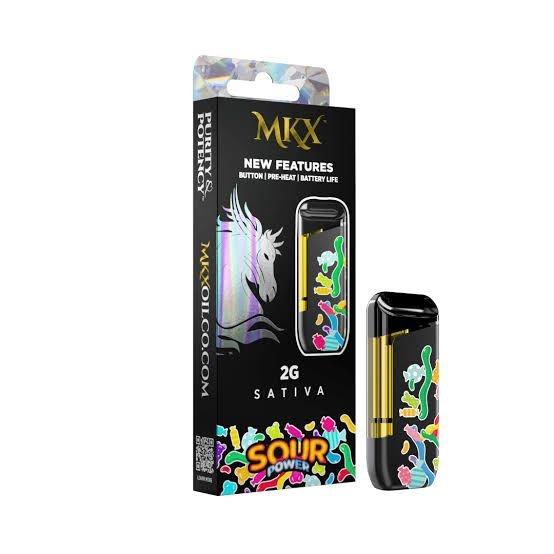
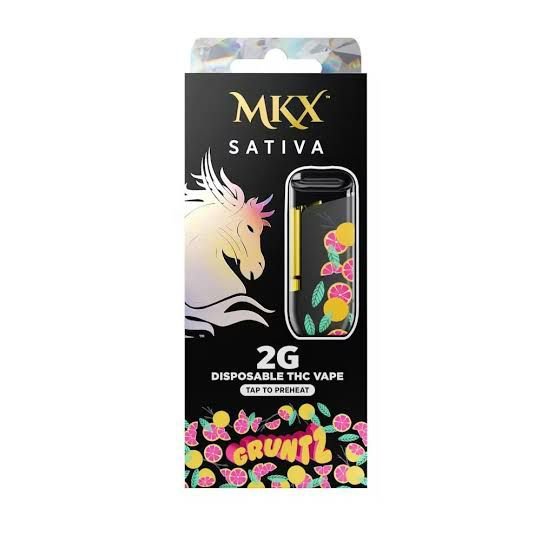
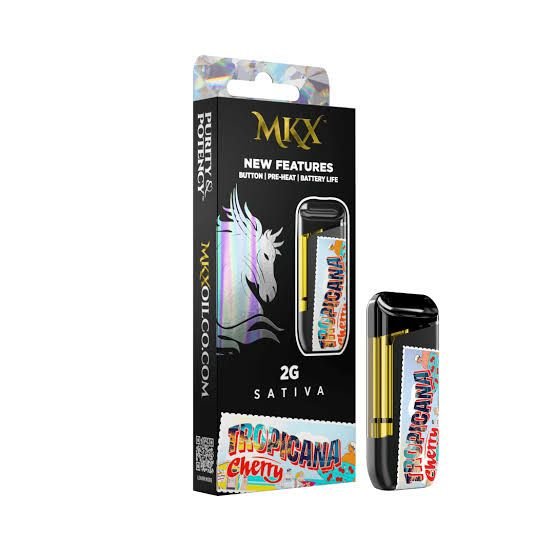




MKX 2G DISPOSABLE NEW FEATURES


Price range: $25.00 through $1,350.00
The MKX 2G Disposable Vape Device reflects a modern approach to portable vaporizer hardware design. In recent years, vaporizer devices have evolved significantly as manufacturers continue improving device efficiency, compact construction, and internal electronics. As a result, newer disposable devices integrate advanced technology within simplified, user-friendly structures.
MKX 2G Disposable Vape Device – Compact Vaporizer Hardware with Enhanced Technology
Structural Design and Portable Device Engineering
The MKX 2G Disposable Vape Device is designed with a focus on compact engineering and structural efficiency. In modern vaporizer hardware, engineers must balance performance, portability, and durability within a limited physical space. Because disposable devices integrate multiple systems into a single housing, careful internal architecture becomes essential.
To begin with, the structural design of the device centers around a compact cylindrical or rectangular housing that encloses all internal components. This outer shell serves as both a protective barrier and a structural frame for the device. By maintaining a strong housing structure, the device protects its battery, circuitry, and heating chamber from external pressure or impact.
As a result, the device maintains long-term reliability.
Furthermore, the housing material is typically selected for its strength-to-weight ratio. Lightweight materials reduce the overall weight of the vaporizer while maintaining sufficient durability. Consequently, the device remains easy to carry without sacrificing structural protection.
Another important aspect of the device’s architecture involves the layered internal component arrangement. Inside the device, the battery, heating chamber, airflow channels, and control circuitry are stacked vertically or arranged in compact sections. Because each component occupies a specific position, the internal structure remains organized and space-efficient.
This arrangement ensures that the device can maintain a small external profile.
The battery is usually positioned toward the lower portion of the device housing. Placing the battery in this location helps stabilize the device’s center of gravity. Consequently, the device feels balanced when held or used.
Above the battery, engineers place the electronic control circuit, which regulates electrical flow between the battery and the heating coil. This circuit contains small microcomponents that monitor voltage levels and activation signals.
Because the circuit board is positioned close to the battery, electrical pathways remain short and efficient.
The heating chamber sits near the upper portion of the device. When the device activates, electrical current flows from the battery through the circuit board to the heating coil. As a result, the coil generates controlled heat within the chamber.
This placement ensures that vaporization occurs close to the mouthpiece.
The airflow pathway runs through the heating chamber and continues toward the mouthpiece. Air enters the device through small intake openings located along the body of the vaporizer. When the user inhales, air travels through these channels and passes over the heated chamber.
Consequently, vapor mixes with incoming air before reaching the mouthpiece.
Another structural feature of the MKX 2G device is the integrated mouthpiece assembly. The mouthpiece forms the top section of the vaporizer and directs vapor outward during inhalation. Engineers design the mouthpiece to maintain both airflow efficiency and user comfort.
As a result, vapor exits the device smoothly.
The compact structural design also supports efficient heat management. When the heating coil activates, thermal energy spreads through the chamber area. However, the surrounding housing materials help dissipate excess heat.
Consequently, the device remains comfortable to hold.
Another advantage of the integrated structural architecture is component stability. Because the device is manufactured as a sealed unit, internal components remain fixed in position. This stability prevents movement that could affect performance.
As a result, the vaporizer operates consistently.
Additionally, the compact device structure reduces the number of external connection points. Refillable vaporizers often rely on threaded connections between cartridges and battery units. However, disposable devices eliminate these connections by integrating the cartridge chamber into the device.
Consequently, the device experiences fewer mechanical failures.
The structural layout also supports efficient airflow control. By directing air through carefully designed channels, engineers ensure that vapor moves smoothly toward the mouthpiece. Balanced airflow helps maintain consistent vapor density.
As a result, inhalation remains predictable.
Another important benefit of compact engineering is transport convenience. Smaller devices occupy less space in bags or pockets, which improves portability. Consequently, users can carry the vaporizer easily throughout daily activities.
Furthermore, compact devices often require less material during manufacturing, which can reduce production complexity. Manufacturers can produce disposable vaporizers efficiently when components are standardized and integrated.
This efficiency contributes to consistent product quality.
Ultimately, the structural design of the MKX 2G Disposable Vape Device demonstrates how modern vaporizer hardware can combine compact dimensions with advanced internal systems. By carefully organizing the battery, heating chamber, airflow pathways, and control electronics within a durable housing, engineers create a device that remains portable, efficient, and reliable. Consequently, this integrated structural approach continues to shape the development of contemporary disposable vaporizer technology.
Heating Technology and Vaporization Efficiency mkx gummies
The MKX 2G Disposable Vape Device relies on a refined heating system that converts electrical energy into controlled thermal output. While the structural design ensures compactness and durability, the heating technology ultimately determines how efficiently the device produces vapor. Because vaporization depends on stable and consistent temperatures, engineers design modern disposable devices with heating elements capable of distributing heat evenly while maintaining energy efficiency.
To begin with, the heating system inside the device centers around a resistive coil assembly. When electrical current flows through this coil, resistance within the metal generates heat. This basic principle of electrical resistance heating has been widely used in portable vaporizer technology because it allows precise control over temperature.
Consequently, the coil can reach vaporization temperatures quickly without requiring large amounts of electrical power.
Furthermore, the heating coil is positioned inside a sealed vaporization chamber, which surrounds the cartridge reservoir. This chamber ensures that heat remains concentrated in the area where vaporization occurs. Because thermal energy remains focused within the chamber, the heating process becomes more efficient.
As a result, the device can produce vapor rapidly after activation.
Another important feature of the MKX 2G heating system is the even heat distribution across the chamber surface. Uneven heating can cause inconsistent vaporization or localized overheating. However, modern coil assemblies often incorporate ceramic or metal cores that spread heat evenly throughout the chamber.
Consequently, the material inside the chamber warms uniformly.
Uniform heating improves both vapor consistency and device efficiency.
In addition to coil design, the device includes electronic temperature regulation that controls how much energy reaches the heating element. Without regulation, the coil might receive excessive current, which could generate unnecessary heat. However, the control circuit limits power delivery to appropriate levels.
Therefore, the heating element operates within a stable temperature range.
This regulated heating process supports predictable vapor production during each activation cycle.
Another advantage of regulated heating systems is the reduction of thermal stress on internal components. When temperature levels remain stable, the heating coil and surrounding materials experience less strain during operation. Consequently, the device maintains reliability throughout its intended lifespan.
Thermal stability also helps maintain consistent vapor quality mkx 2g disposable.
The heating process begins when the device’s draw-activated sensor detects airflow generated during inhalation. As soon as the sensor recognizes airflow, the control circuit supplies electricity to the heating coil. Because the circuit activates instantly, the heating element begins generating heat almost immediately.
As a result, the device responds quickly when used mkx 2g disposable.
This rapid activation helps improve the overall user experience.
Another important element of the heating system involves optimized coil resistance levels. Electrical resistance determines how much heat is generated when current flows through the coil. Engineers calibrate coil resistance carefully so that the heating element produces sufficient heat without draining excessive battery power.
Consequently, the device maintains balanced energy consumption.
Optimized resistance also improves the speed at which the coil reaches operational temperature.
Furthermore, the heating chamber is designed to allow controlled airflow interaction with the heated surface. As air enters the device during inhalation, it passes through the heated chamber and carries vapor toward the mouthpiece. Because airflow moves evenly across the heated surface, vapor production remains consistent.
Consequently, each inhalation cycle produces predictable results.
Another benefit of the MKX 2G heating system is its efficient energy transfer between the battery and the coil. Electrical energy travels through short conductive pathways before reaching the heating element. These short pathways reduce energy loss caused by electrical resistance.
As a result, more energy is converted into useful heat rather than wasted power.
Energy efficiency plays a crucial role in disposable vaporizer hardware because the battery must support the device for its entire operational lifespan mkx 2g disposable.
The heating chamber also incorporates thermal insulation features that help maintain internal temperatures. Insulation prevents heat from spreading into surrounding components too quickly. Consequently, the chamber retains heat long enough to sustain the vaporization process mkx 2g disposable.
This controlled thermal environment supports stable vapor output.
Another key factor influencing heating performance is the relationship between airflow speed and chamber temperature. When airflow moves too quickly through the chamber, it may cool the heating surface prematurely. However, carefully designed airflow channels maintain balanced airflow speed.
Therefore, vaporization remains stable.
In addition, the heating coil assembly is designed to minimize residue accumulation during operation. Clean heating surfaces allow heat to transfer efficiently. Consequently, the device maintains consistent heating performance throughout its usage cycle.
Modern disposable devices often incorporate materials that resist buildup mkx 2g disposable.
The compact architecture of the MKX 2G device also supports fast heating response times. Because the heating coil is positioned close to the airflow channel and mouthpiece, vapor travels only a short distance before reaching the user mkx 2g disposable.
As a result, vapor delivery feels immediate.
Another advantage of modern heating technology is its compatibility with compact battery systems. Efficient heating elements require less power than earlier vaporizer designs. Consequently, smaller batteries can still support effective vaporization cycles mkx 2g disposable.
This efficiency helps maintain device portability.
The heating system also contributes to consistent vapor density across multiple activations. When the coil reaches stable temperatures quickly, vapor production remains uniform from one activation to the next. Consequently, users experience reliable performance.
Consistency remains a key design objective in modern vaporizer hardware.
Ultimately, the heating technology and vaporization efficiency of the MKX 2G Disposable Vape Device illustrate how modern electronic engineering enhances portable vaporizer performance. Through regulated power delivery, optimized coil resistance, and controlled airflow interaction, the heating system delivers stable thermal output while maintaining energy efficiency. Consequently, the device demonstrates how advanced heating technology can operate effectively within a compact disposable vaporizer platform.
Airflow Engineering and Draw Activation Technology mkx vape mkx carts
The MKX 2G Disposable Vape Device integrates an advanced airflow system designed to support smooth inhalation and consistent vapor delivery. While the battery and heating systems generate the energy required for vaporization, the airflow pathway controls how air moves through the device and carries vapor to the mouthpiece. Because airflow dynamics influence vapor density, draw resistance, and overall comfort, engineers design the airflow channels carefully to balance efficiency and usability.
To begin with, the device contains precision-engineered airflow intake openings positioned along the lower portion of the housing. These small intake ports allow fresh air to enter the vaporizer when the user inhales. The intake openings are strategically placed to maintain steady airflow without introducing excessive air pressure inside the device.
Consequently, air flows smoothly through the internal vaporization chamber.
Once air enters the device, it travels through internal airflow channels that guide it toward the heating chamber. These channels are carefully shaped to maintain consistent air velocity while minimizing turbulence. When airflow moves smoothly through the chamber, it passes evenly across the heated coil surface.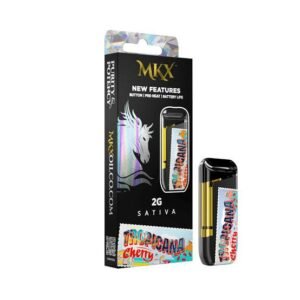
As a result, vapor mixes efficiently with the incoming air mkx 2g disposable.
This balanced airflow contributes to consistent vapor production during each inhalation cycle.
Another important aspect of the MKX 2G airflow system is the draw resistance calibration. Draw resistance refers to how easily air passes through the device when inhaled. If airflow is too restricted, inhalation becomes uncomfortable. However, if airflow is too loose, vapor may become diluted mkx 2g disposable.
Engineers therefore calibrate the airflow pathway carefully mkx 2g disposable.
Consequently, the device provides a balanced draw that feels natural while maintaining vapor density.
The airflow system also plays a critical role in supporting draw-activated device operation. Modern disposable vaporizers frequently rely on automatic activation sensors rather than manual buttons. These sensors detect airflow created by the user’s inhalation.
When airflow passes through the device, a small pressure sensor or airflow switch inside the circuitry activates the heating coil.
As a result, vaporization begins immediately.
This draw-activation mechanism simplifies the device interface significantly. Because the user does not need to press buttons or adjust settings, operation becomes intuitive. Consequently, the device can be used easily by individuals with varying levels of experience.
Another advantage of the airflow system is the consistent pressure distribution inside the vaporization chamber. When air enters the chamber evenly, it prevents localized cooling or overheating around the heating element. Balanced airflow therefore helps maintain stable vaporization temperatures mkx 2g disposable.
Consequently, vapor production remains predictable mkx 2g disposable.
The airflow pathway also includes condensation control features that help manage vapor moisture inside the device. As vapor travels through the internal channels, small amounts of condensation may occur. Engineers design the airflow channels to minimize vapor buildup along internal surfaces.
As a result, airflow remains unobstructed.
In addition to internal airflow channels, the device incorporates a refined mouthpiece airflow exit. The mouthpiece directs vapor from the internal chamber to the user while maintaining smooth airflow. Because the mouthpiece shape influences airflow speed and vapor distribution, engineers design it to support comfortable inhalation.
Consequently, vapor exits the device evenly.
Another benefit of the airflow system is its role in cooling the vapor before it reaches the mouthpiece. As air mixes with vapor inside the chamber and channels, the airflow helps reduce excessive heat. Therefore, the vapor feels smoother during inhalation.
Cooling airflow improves the overall inhalation experience.
Furthermore, the airflow design contributes to stable device temperature during repeated activations. When fresh air enters the device, it carries some heat away from the chamber area. Consequently, the device avoids excessive heat buildup.
Thermal balance helps maintain consistent heating performance mkx 2g disposable.
The internal airflow architecture also supports compact device construction. Engineers design airflow channels that occupy minimal space while still maintaining efficient airflow movement. Because space is limited inside disposable vaporizers, airflow pathways must remain compact and efficient mkx 2g disposable.
Consequently, the device maintains a slim external profile mkx 2g disposable.
Another advantage of the MKX 2G airflow system is its reduced airflow noise during operation. Smooth airflow channels minimize turbulence that could produce unwanted sound during inhalation. As a result, the device operates quietly.
Quiet operation contributes to discreet usage.
Additionally, airflow calibration influences vapor concentration levels. By controlling how much air mixes with vapor inside the chamber, engineers can maintain consistent vapor density. Balanced airflow prevents vapor from becoming too concentrated or too diluted.
Consequently, vapor quality remains stable.
The airflow system also supports consistent sensor activation timing. When airflow reaches the activation sensor at predictable speeds, the heating coil activates quickly and reliably. As a result, the vaporization process begins without delay mkx 2g disposable.
Fast activation improves overall usability mkx 2g disposable.
Another benefit of the airflow engineering is efficient vapor transport from the chamber to the mouthpiece. Short airflow pathways reduce the distance vapor must travel before exiting the device. Consequently, vapor reaches the user rapidly mkx 2g disposable.
Efficient transport improves vapor freshness mkx 2g disposable.
Furthermore, the airflow design helps maintain stable internal pressure levels within the vaporization chamber. When pressure remains balanced, vaporization occurs evenly across the heating surface. Consequently, the device delivers consistent vapor output mkx 2g disposable.
Balanced pressure also protects internal components mkx 2g disposable.
Ultimately, the airflow engineering and draw activation technology of the MKX 2G Disposable Vape Device demonstrate how careful airflow design enhances vaporizer performance. By combining optimized intake ports, balanced airflow channels, responsive draw sensors, and ergonomic mouthpiece design, the device ensures smooth inhalation and reliable vapor delivery. Consequently, airflow architecture remains one of the most important elements in the overall functionality of modern disposable vaporizer hardware.
Be the first to review “MKX 2G DISPOSABLE NEW FEATURES”
Related products


DISPOSABLE

DISPOSABLE

DISPOSABLE

DISPOSABLE

DISPOSABLE


DISPOSABLE
Reviews
There are no reviews yet.