

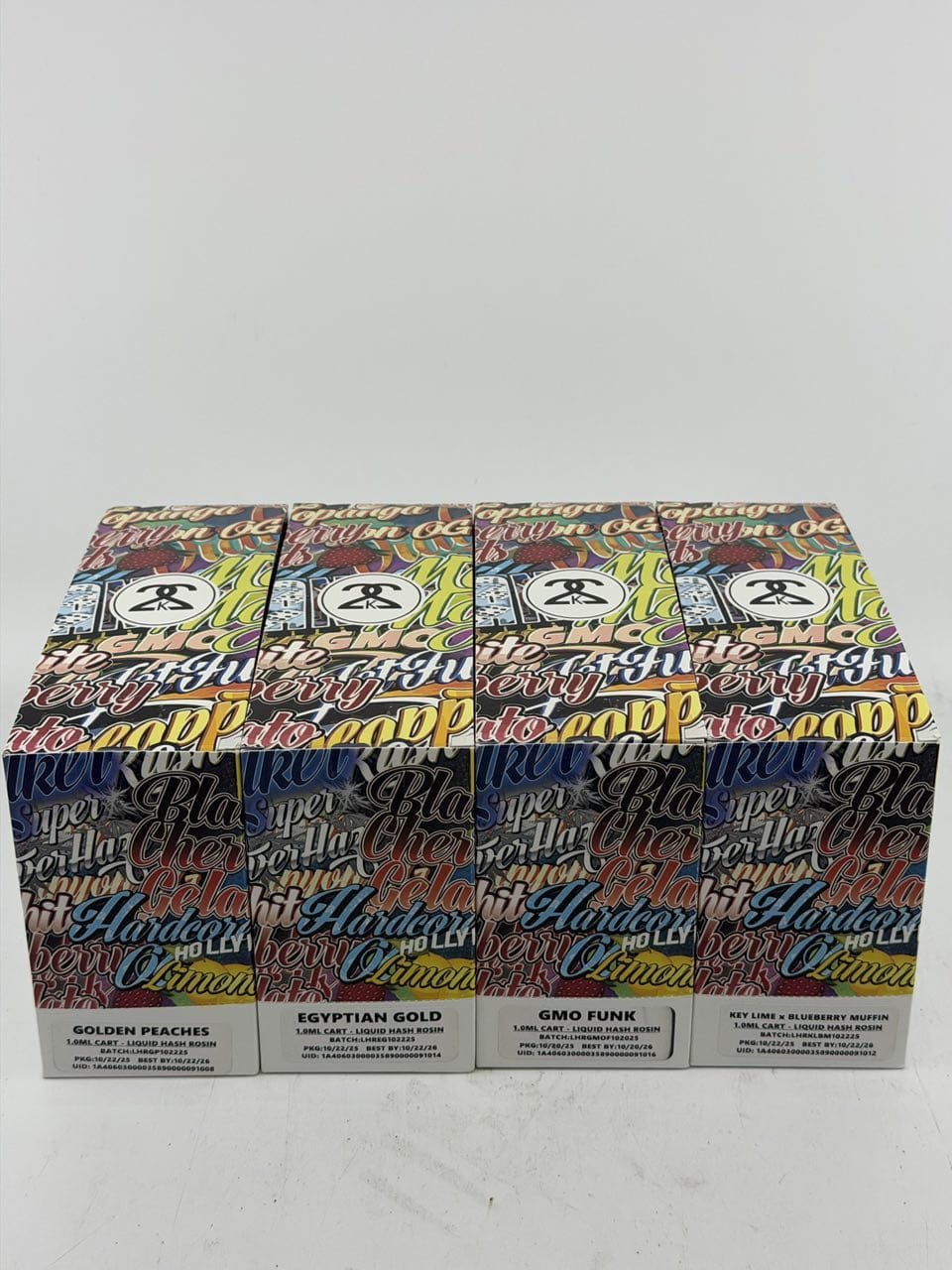
22K SOLVENTLESS VAPE CARTRIDGE
Price range: $25.00 through $1,500.00
The 1G vape cartridge hardware platform represents a refined solution within modern vapor device engineering. Designed to balance performance, portability, and durability, this cartridge format has become a widely recognized standard for compact vapor systems. While the device itself appears minimal in size, a carefully constructed set of internal components works together to support smooth vapor generation and reliable operation.
Description
High-Performance 1G Vape Cartridge Hardware – Precision Engineering for Smooth and Reliable Vapor Delivery
A Modern Approach to Vape Cartridge Hardware Design
The 1G vape cartridge hardware platform represents a refined solution within modern vapor device engineering. Designed to balance performance, portability, and durability, this cartridge format has become a widely recognized standard for compact vapor systems. While the device itself appears minimal in size, a carefully constructed set of internal components works together to support smooth vapor generation and reliable operation 22k solventless vape carts.
At its core, vape cartridge hardware functions as a compact vaporization module that connects to a compatible battery device. Once attached, the battery supplies power to the heating system inside the cartridge. Consequently, vapor can be produced through a controlled heating process when the device is activated 22k solventless vape carts.
Unlike larger vapor systems, cartridge hardware emphasizes efficiency through integration. Several essential components—including the heating chamber, airflow pathway, and mouthpiece—are combined into a single, streamlined unit. Because these elements are engineered to operate together seamlessly, the cartridge can deliver consistent vapor performance without requiring complex user adjustments 22k solventless vape carts.
Another important advantage of cartridge hardware is its lightweight and portable form factor. The cylindrical design allows the cartridge to remain compact while still providing adequate space for internal vaporization components. Therefore, the cartridge can easily attach to portable battery devices without adding unnecessary bulk 22k solventless vape carts.
Furthermore, portability has become a defining feature of modern vapor hardware. Users often prefer devices that can be carried discreetly during daily activities. As a result, cartridge systems are designed to remain small and unobtrusive while still maintaining dependable functionality 22k solventless vape carts.
In addition to portability, the simplicity of cartridge operation contributes to its popularity. Once the cartridge is connected to a compatible battery device, vapor production can begin immediately. Because the internal hardware is preconfigured during manufacturing, the user does not need to adjust heating settings or replace internal components 22k solventless vape carts.
This streamlined experience contrasts with more complex vapor systems that require coil replacement or chamber maintenance. With cartridge hardware, many of these tasks are eliminated entirely. Consequently, the overall user experience becomes more convenient and straightforward 22k solventless vape carts.
The internal architecture of a vape cartridge also plays a significant role in performance reliability. Inside the cartridge body, a heating element sits within a dedicated vapor chamber. When electrical energy is supplied from the battery, the heating element generates controlled heat that supports vaporization.
Because the heating system is engineered precisely, vapor production occurs in a stable and predictable manner. Consistent heating ensures that vapor quality remains smooth during repeated draws 22k solventless vape carts.
Another key element of cartridge hardware is the balanced airflow system integrated within the structure. Airflow channels guide fresh air through the cartridge during inhalation. As air moves through the chamber, it mixes with vapor produced by the heating element.
This mixing process improves vapor texture and inhalation comfort. Therefore, users experience a smoother draw with reduced airflow resistance. Proper airflow balance also contributes to stable internal temperature conditions during operation.
Moreover, the materials used in cartridge construction influence both durability and performance. Many modern cartridges incorporate heat-resistant components such as stainless steel, ceramic, and reinforced glass. These materials are selected because they maintain structural integrity when exposed to repeated heating cycles.
For example, stainless steel is often used to support the outer frame of the cartridge. Because stainless steel resists corrosion and wear, it provides long-term durability. Meanwhile, ceramic materials are frequently used in heating systems because they distribute heat evenly.
Glass chambers may also be incorporated into cartridge designs. Transparent glass allows the internal chamber to remain visible while providing chemical stability and heat resistance. Consequently, the cartridge maintains both durability and visual clarity.
Another advantage of modern cartridge hardware lies in its sealed internal design. The vapor chamber and airflow pathways remain enclosed within the cartridge body. Because the internal structure is sealed, external contaminants such as dust cannot easily enter the vapor pathway 22k solventless vape carts.
This sealed design also helps maintain consistent vapor performance. Since the internal environment remains controlled, the heating system can operate without interference from outside elements.
The mouthpiece structure further contributes to vapor delivery efficiency 22k solventless vape carts. Engineers design mouthpieces with smooth internal channels that guide vapor toward the user. Because airflow remains unobstructed, vapor travels efficiently from the chamber to the mouthpiece.
Additionally, mouthpiece materials are selected to remain comfortable during repeated use. Heat-resistant construction ensures that the mouthpiece retains its shape and functionality even after extended operation 22k solventless vape carts.
Modern cartridge hardware also reflects broader advancements in portable vapor technology. Improvements in heating elements, airflow engineering, and material science have allowed manufacturers to create devices that are both compact and reliable 22k solventless vape carts.
As these technologies continue to evolve, cartridge hardware is becoming increasingly refined. Manufacturers now focus on improving vapor consistency, heating efficiency, and airflow precision 22k solventless vape carts.
Ultimately, the 1G vape cartridge hardware system represents a balanced combination of engineering innovation and practical design. By integrating ceramic heating technology, optimized airflow channels, and durable structural materials, the cartridge provides a dependable vaporization platform within a compact format. Because these features work together harmoniously, modern vape cartridge hardware remains one of the most efficient and portable solutions in contemporary vapor device technology 22k solventless vape carts.
Structural Materials and Cartridge Construction Quality
The structural construction of modern vape cartridge hardware plays a vital role in overall performance and durability. Although the cartridge appears small and simple, it contains several carefully engineered materials that support both stability and vapor efficiency. Because cartridge hardware must withstand repeated heating cycles while maintaining structural integrity, manufacturers prioritize high-quality materials and precise assembly techniques 22k solventless vape carts.
To begin with, the outer cartridge housing provides the primary structural support for the device. This external frame protects internal components and maintains the cartridge’s shape during everyday handling. In most high-quality cartridges, the housing is constructed from stainless steel or other heat-resistant alloys. As a result, the device remains durable even when exposed to frequent use 22k solventless vape carts.
Stainless steel offers several advantages in cartridge construction. First, it resists corrosion and physical wear. Consequently, the cartridge retains its structural strength over time. In addition, stainless steel performs well under repeated heating cycles, which makes it ideal for vapor device applications 22k solventless vape carts.
Furthermore, the internal chamber often incorporates heat-resistant glass components. Glass has become widely used in cartridge design because it remains chemically stable when exposed to high temperatures. Therefore, it provides a reliable environment for vapor generation 22k solventless vape carts.
Another benefit of glass chambers is their transparency. Because the internal chamber remains visible, users can observe the interior of the cartridge easily. This transparency improves overall usability while also contributing to the modern aesthetic of the cartridge design. 22k solventless vape carts
In addition to the chamber materials, the heating system housing must be constructed with precise engineering tolerances. The heating element and surrounding components are positioned carefully within the cartridge body to ensure proper alignment with the airflow system. Because these elements are assembled with precision, the heating system can operate efficiently during repeated activation.
The ceramic components inside the heating structure also contribute to overall device reliability. Ceramic materials provide excellent thermal stability and heat distribution. Consequently, the heating element remains stable even during extended usage.
Moreover, ceramic materials resist degradation caused by repeated heating cycles. This durability helps maintain consistent vapor performance throughout the cartridge’s operational lifespan. Because the ceramic structure remains stable, the heating system continues functioning reliably.
Another important component involved in cartridge construction is the center airflow tube. This internal tube connects the vapor chamber to the mouthpiece 22k solventless vape carts. During inhalation, vapor travels through this pathway before reaching the user 22k solventless vape carts.
Engineers design the center airflow tube with smooth interior surfaces to minimize turbulence. As a result, vapor moves through the cartridge efficiently. Balanced airflow contributes to smoother inhalation and consistent vapor delivery.
The threaded connector at the base of the cartridge represents another key structural element. This connector attaches the cartridge to a compatible battery device. In most cases, the connector follows a standardized thread design so it can be used with a wide range of battery systems.
Because the connector must transmit electrical energy from the battery to the heating element, it is constructed with conductive materials such as stainless steel and copper alloys. Consequently, electrical contact remains stable when the cartridge is attached to the battery device.
In addition to conductivity, the connector must maintain mechanical stability. When users attach or remove the cartridge, the threaded connection experiences repeated mechanical stress. Therefore, the connector components are reinforced to ensure long-term durability.
Another structural feature of modern cartridges is the silicone sealing system used within the device. Small silicone gaskets are positioned at critical points throughout the cartridge 22k solventless vape carts. These seals help maintain airtight conditions inside the chamber.
Because the seals prevent air leaks, vapor remains contained within the designated airflow pathway. Consequently, vapor delivery remains consistent while preventing leakage from the chamber.
The mouthpiece assembly also contributes significantly to cartridge construction quality. Mouthpieces are typically manufactured using durable heat-resistant polymers or ceramic materials. These materials are selected because they maintain structural stability during repeated heating cycles 22k solventless vape carts.
Furthermore, mouthpieces are shaped carefully to support comfortable inhalation. Smooth interior channels guide vapor efficiently from the center airflow tube to the user. Therefore, the vapor pathway remains unobstructed throughout the inhalation process.
Another advantage of high-quality cartridge construction lies in its sealed internal architecture. All major components—including the chamber, heating element, airflow system, and seals—are enclosed within the cartridge body. Because the structure remains sealed, external contaminants such as dust or debris cannot enter the vapor pathway 22k solventless vape carts.
This sealed design also protects the heating system from environmental exposure. Consequently, the internal components remain stable and reliable during everyday handling.
In addition to durability, structural materials influence the overall aesthetic appearance of the cartridge. Many modern cartridges feature polished metal finishes, transparent chambers, and minimalist shapes. These visual elements contribute to a sleek and modern device design.
Furthermore, manufacturers often design cartridges with balanced weight distribution. Even though the device remains compact, the materials used provide enough structural strength to create a stable and well-balanced feel when attached to a battery device.
As vapor technology continues to evolve, improvements in materials science continue to enhance cartridge hardware design. Engineers are exploring new materials that combine heat resistance, durability, and lightweight properties. Consequently, modern cartridges are becoming more reliable while maintaining their compact size.
Ultimately, the construction quality of vape cartridge hardware determines how effectively the device can deliver vapor. By combining stainless steel frames, ceramic heating components, glass chambers, and precision seals, modern cartridges achieve a high level of structural reliability. Because these materials work together seamlessly, the cartridge can maintain consistent performance while supporting the portability and convenience expected from modern vapor hardware systems 22k solventless vape carts.
Airflow Engineering and Smooth Vapor Delivery 22k solventless carts 22k solventless cartridge
The airflow system inside vape cartridge hardware plays a major role in determining how vapor is delivered to the user. While the heating element generates vapor, airflow pathways control how that vapor moves through the cartridge. Because airflow influences both draw resistance and vapor texture, engineers design these internal channels carefully to maintain balanced performance 22k solventless vape carts.
To begin with, the airflow system operates through a series of internal channels that guide air through the cartridge during inhalation. When the user inhales through the mouthpiece, fresh air enters the cartridge through small intake openings near the base. As a result, the incoming air moves toward the vapor chamber where vapor is generated 22k solventless vape carts.
Once inside the chamber, the incoming air mixes with vapor produced by the heating element. This mixing process is essential because it regulates vapor density and temperature. Consequently, the vapor becomes smoother and easier to inhale.
Furthermore, properly engineered airflow pathways help maintain consistent draw resistance. Draw resistance refers to how easily air moves through the device during inhalation. If airflow pathways are too narrow, inhalation may feel restricted. However, if airflow channels are too wide, vapor density may decrease.
Therefore, engineers carefully balance the size and placement of airflow openings. Because these openings are calibrated precisely, the cartridge provides a smooth and controlled inhalation experience.
Another important aspect of airflow design involves the central vapor pathway, often referred to as the center airflow tube. This tube connects the vapor chamber directly to the mouthpiece. Once vapor forms inside the chamber, it travels upward through this tube before reaching the user.
Engineers design the center airflow tube with smooth internal surfaces to minimize turbulence. As a result, vapor travels through the cartridge efficiently without unnecessary resistance. This smooth flow improves the consistency of each draw.
In addition to improving inhalation comfort, balanced airflow also contributes to temperature regulation within the vapor chamber. When fresh air enters the chamber during inhalation, it helps moderate internal heat levels. Consequently, the heating element operates within a stable temperature range.
Temperature stability benefits vapor production in several ways. First, it prevents excessive heat buildup that could affect vapor texture. Second, it allows the heating element to maintain consistent vapor output throughout the device’s operation.
Another important feature of modern cartridge airflow systems is the multi-channel intake design. Instead of relying on a single air opening, many cartridges include multiple intake ports around the base of the cartridge. These intake ports distribute airflow evenly across the chamber.
Because airflow enters from several directions, vapor mixing becomes more uniform. As a result, the vapor delivered to the mouthpiece remains consistent during each draw 22k solventless vape carts.
Moreover, the placement of airflow intake ports influences overall performance. Engineers often position these ports at the base of the cartridge near the threaded connector. When the cartridge attaches to the battery device, these intake points remain exposed to external airflow 22k solventless vape carts.
This positioning ensures that fresh air can enter the cartridge easily during inhalation. Consequently, airflow remains stable regardless of how the device is held.
Another factor that influences airflow performance is the interaction between airflow and the heating system. When airflow passes through the chamber, it helps distribute heat evenly across the heating element. Because heat spreads more evenly, vaporization occurs more gradually 22k solventless vape carts.
This gradual vaporization process contributes to smoother vapor delivery. Furthermore, it helps maintain consistent vapor density during repeated draws.
The mouthpiece design also plays an important role in the airflow system. Engineers shape the mouthpiece to guide vapor smoothly from the center airflow tube toward the user. Because the internal pathway remains unobstructed, vapor travels efficiently without turbulence.
Additionally, mouthpieces often include slightly tapered openings that help concentrate airflow during inhalation. Consequently, the draw feels more natural and comfortable.
Another advantage of modern airflow systems is their ability to reduce condensation buildup inside the cartridge. When airflow remains balanced, vapor moves quickly through the chamber and toward the mouthpiece. Therefore, vapor does not remain inside the cartridge long enough to condense on internal surfaces.
Reduced condensation helps maintain the cleanliness of the vapor pathway. As a result, the cartridge can maintain stable vapor performance during its operational lifespan.
The sealed design of modern cartridge hardware also supports airflow efficiency. Internal seals prevent air from entering unintended areas of the cartridge. Because airflow remains restricted to designated channels, vapor delivery remains consistent.
Furthermore, sealed airflow pathways protect internal components from external contaminants. Dust and debris cannot easily enter the vapor pathway, which helps maintain the internal environment required for efficient vapor generation.
Another important advantage of optimized airflow engineering is draw consistency across different battery devices. Since cartridges are designed to connect with standardized batteries, airflow systems must remain compatible with multiple battery models.
Engineers therefore design airflow pathways that function reliably regardless of the battery device used. Consequently, users can expect similar inhalation performance across compatible devices.
As vapor hardware technology continues to evolve, airflow engineering remains an area of ongoing development. Manufacturers continue refining intake port design, airflow tube geometry, and mouthpiece structure to improve vapor delivery.
Ultimately, the airflow system within vape cartridge hardware serves as a critical component that shapes the overall vapor experience. By guiding fresh air through the chamber and directing vapor efficiently toward the mouthpiece, airflow engineering ensures smooth and consistent vapor delivery. Because this system works in harmony with the heating element and chamber design, modern cartridge hardware provides a reliable and comfortable inhalation experience within a compact device structure.
Related products
-
Sale!

TURNS 2G DISPOSABLE HOT GIRL SUMMER
Price range: $30.00 through $1,500.00Select options This product has multiple variants. The options may be chosen on the product page -
Sale!

CLEAN CARTS 2G DISPOSABLE BLACK EDITION LIQUID DIAMONDS + LIVE RESIN
Price range: $30.00 through $1,550.00Select options This product has multiple variants. The options may be chosen on the product page -
Sale!

UNI 2G DISPOSABLE 3 IN 1 DEVICE
Price range: $100.00 through $1,200.00Select options This product has multiple variants. The options may be chosen on the product page -
Sale!

NEW BIG CHIEF 2G DISPOSABLE LIQUID DIAMONDS
Price range: $30.00 through $1,250.00Select options This product has multiple variants. The options may be chosen on the product page
Reviews
There are no reviews yet.