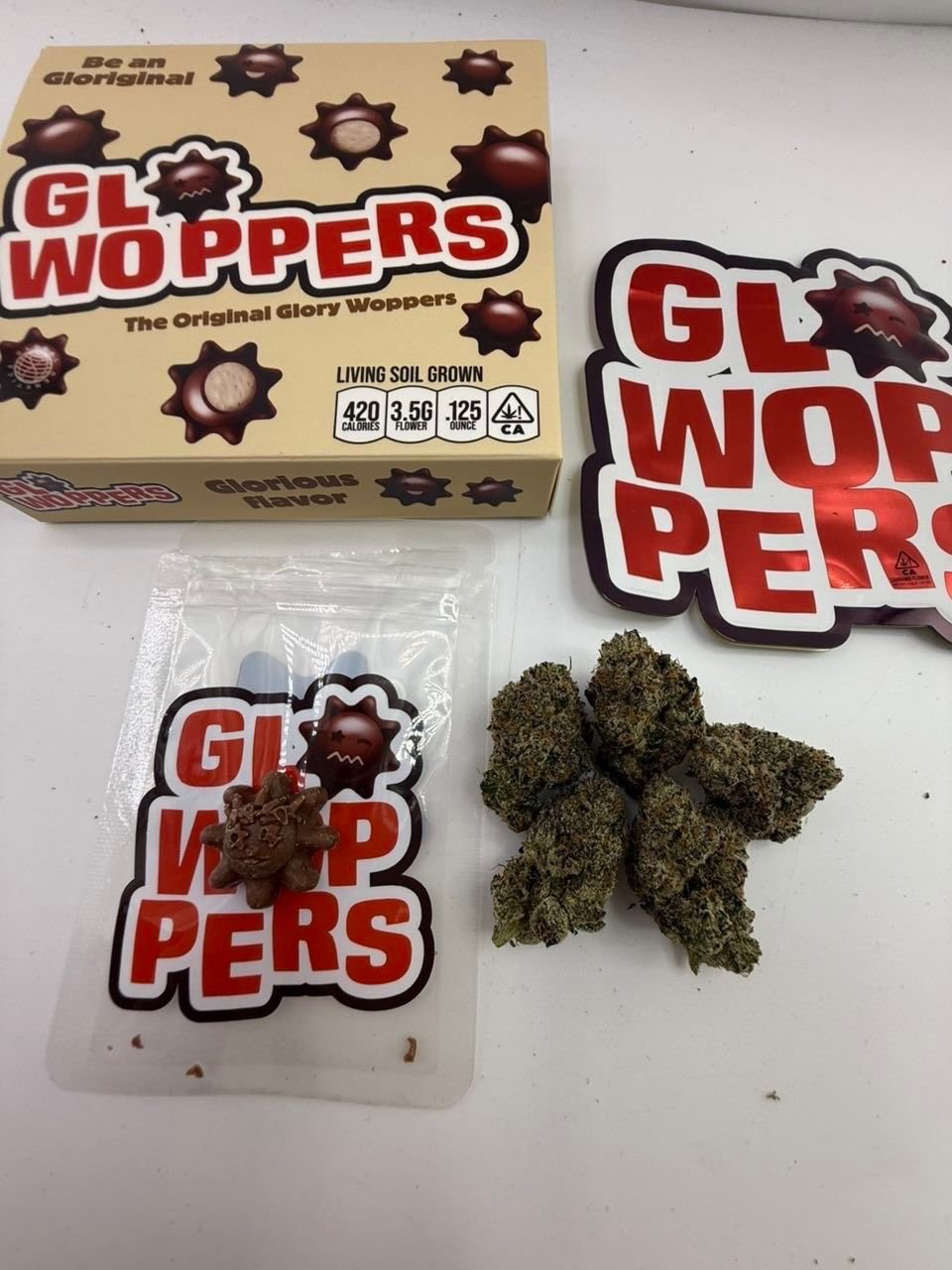
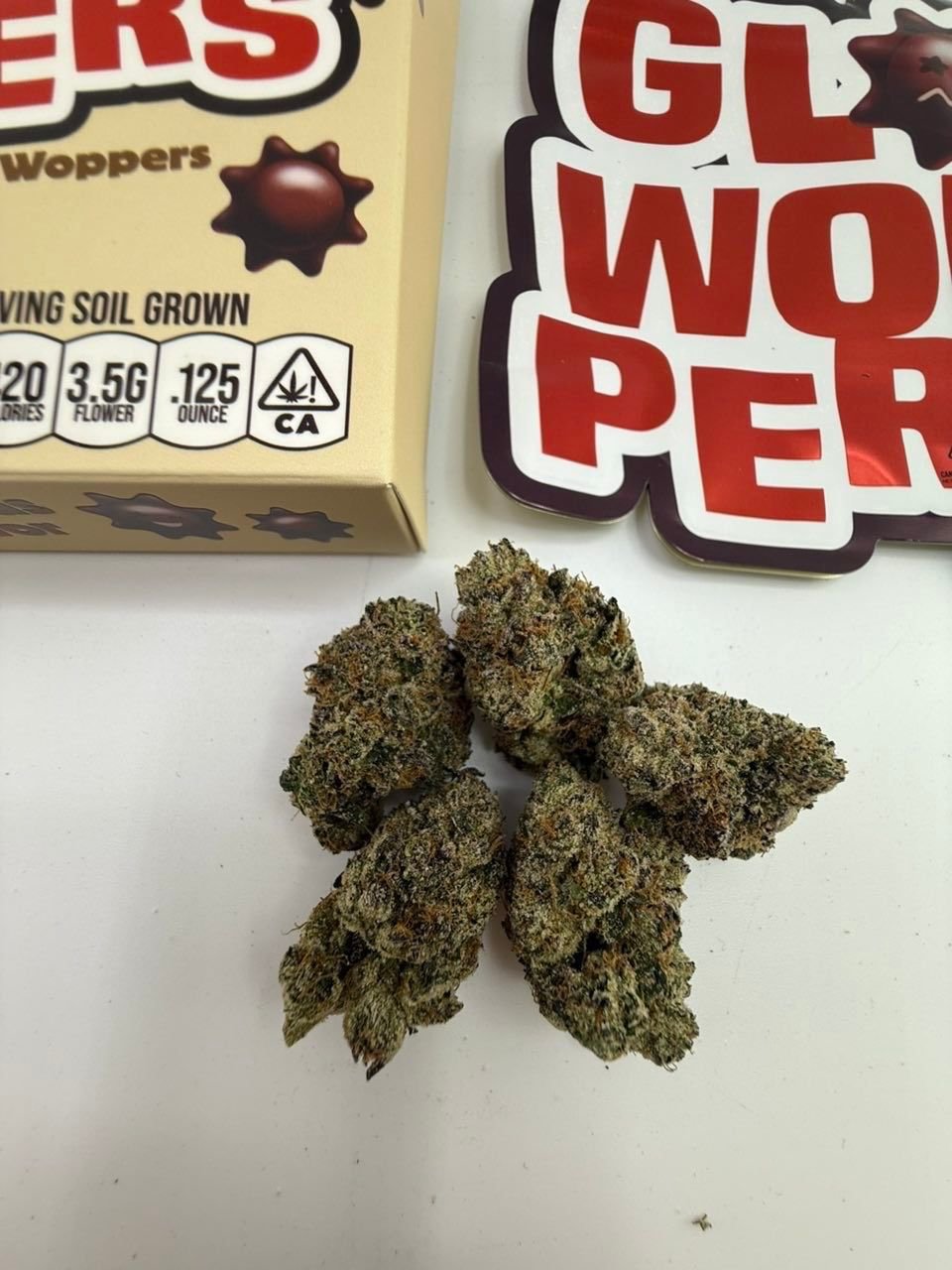

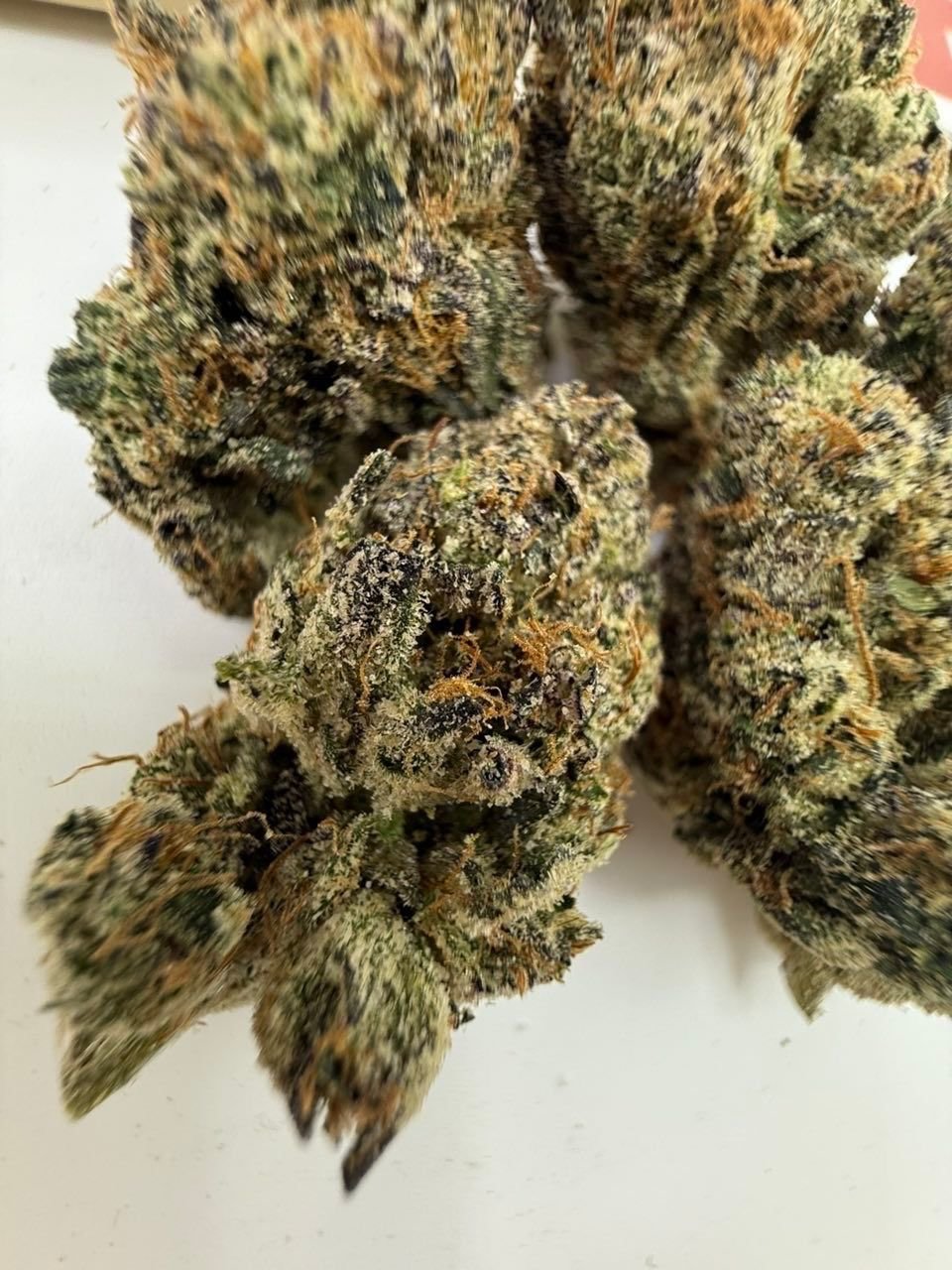
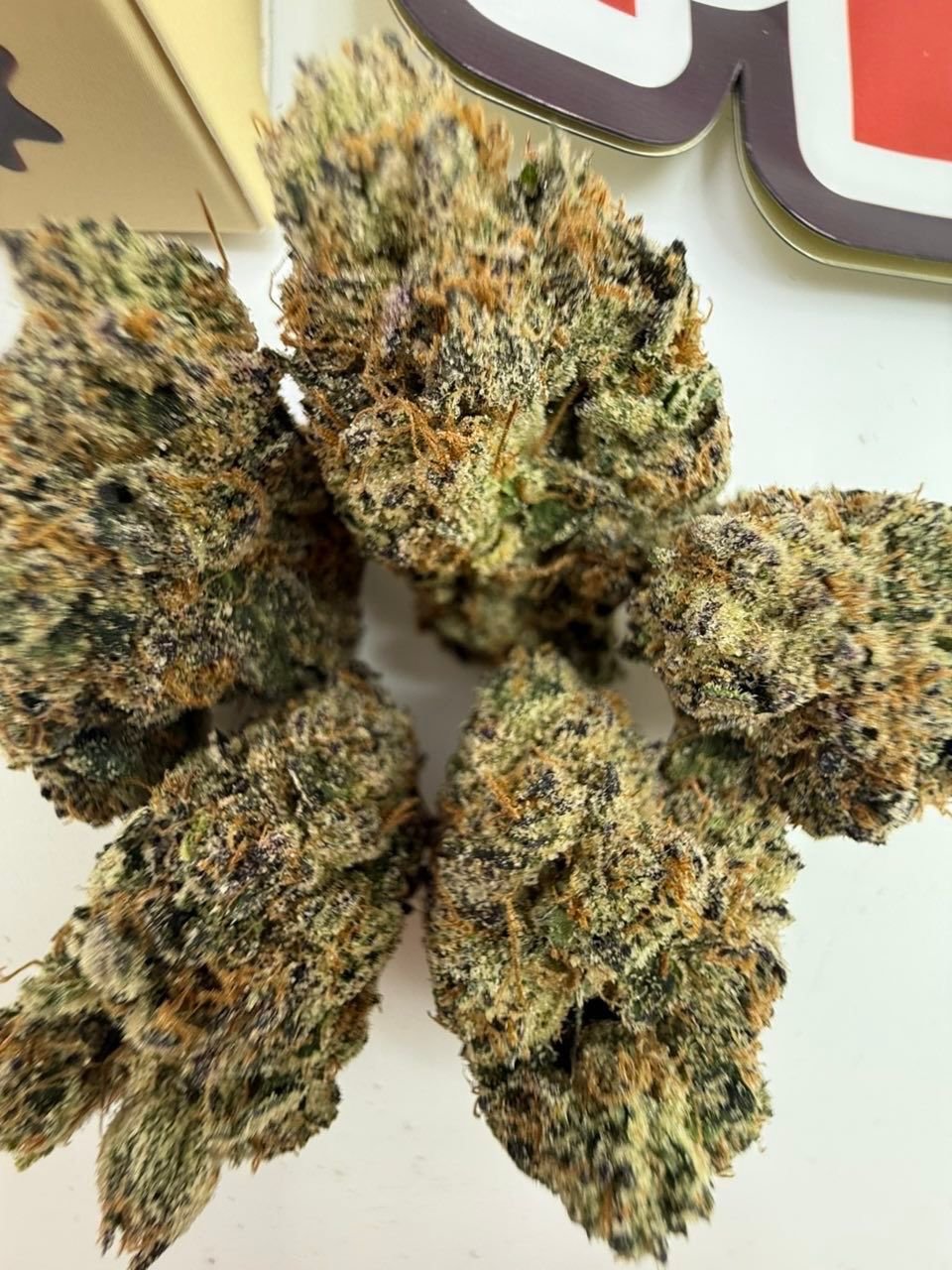
GLO WOPPERS CANNABIS WITH GUMMIES
Price range: $200.00 through $1,250.00
The production of GLO WOPPERS CANNABIS WITH GUMMIES operates within an industrial-grade infrastructure built to manage mechanical stress, thermal shifts, ingredient flow, and continuous operational cycles. The system is engineered around hardened equipment assemblies, reinforced processing lines, and precision-driven infusion mechanisms that maintain consistency across every stage of manufacturing. Because cannabis-infused confectionery requires stable mechanical performance and controlled ingredient behavior, each component of the production environment is designed to function as part of a synchronized, load-bearing mechanical network.
Description
GLO WOPPERS CANNABIS WITH GUMMIES — Industrial Manufacturing System, Mechanical Workflow Architecture, and Controlled Infusion Engineering
Industrial Facility Layout, Mechanical Workflow Zones, and Production-Line Infrastructure
The manufacturing environment for GLO WOPPERS CANNABIS WITH GUMMIES is structured around an industrial-grade facility engineered to withstand continuous mechanical operation, thermal cycling, and repetitive load demands. The production floor functions as an interconnected mechanical system, with each zone designed to support controlled material flow, structural stability, and consistent processing conditions. Because the formulation involves temperature-sensitive ingredients and precision-metered infusion, the facility must operate like a tightly regulated mechanical assembly, where environmental consistency and equipment alignment directly influence product outcomes glo woppers weed.
The layout begins with a reinforced raw-material receiving zone, constructed with high-compression flooring to support the weight of palletized ingredients, steel containers, and extraction vessels. Heavy-gauge shelving units are bolted into concrete foundations to prevent structural drift during restocking. Since material integrity is a priority, this zone is equipped with industrial HVAC ducts that maintain fixed temperature and humidity levels to prevent destabilization of sugars, stabilizers, or extract compounds. High-capacity air filtration systems remove particulates, and airflow is mechanically regulated to move contaminants away from critical storage points glo woppers weed.
Adjacent to this area is the dry-mix staging room, where bulk materials such as pectin, gelatin, sugars, and stabilizers are measured and prepared. Stainless-steel hopper assemblies anchor the space, each fitted with vibration-compensating mounts that prevent inaccurate readings during high-volume weighing cycles. Because material flow can shift under vibration, the weighing surfaces use mechanical dampeners to stabilize load cells, ensuring accurate ingredient dosing glo woppers weed. The entire room is illuminated with low-heat LED fixtures mounted to impact-resistant housings, which prevent temperature fluctuations that could alter powder density glo woppers weed.
Once staged, materials are transferred into the industrial blending zone, the core mechanical environment of the facility glo woppers weed. This section houses large-scale jacketed kettles built from heavy-duty stainless steel and fitted with reinforced heating coils capable of maintaining consistent thermal distribution. These vessels are supported by structural frames welded to load-bearing support columns, allowing the machinery to handle high-torque agitation without mechanical shift. The mixing arms are driven by industrial motors rated for continuous operation, using steel-shafted agitators engineered to withstand high-viscosity loads without bending or torsional fatigue glo woppers weed.
Mechanical sensors positioned along the blending vessel monitor rotational speed, torque resistance, and internal temperature. These readings are fed into a control panel that adjusts mechanical inputs—such as motor force or heating intensity—to stabilize the mixture as ingredient viscosity changes throughout the process glo woppers weed. Because gummy bases transition between multiple thermal states glo woppers weed, these mechanical corrections ensure that the mixture remains uniform and free of structural inconsistencies glo woppers weed.
Connected to this mixing line is the cannabis extract integration module, a mechanically isolated sub-zone designed to prevent cross-contamination and maintain extract stability. This module contains precision-metered pumps mounted on reinforced steel brackets to prevent vibration drift, which could otherwise affect dosing accuracy glo woppers weed. Tubing assemblies are constructed from chemically resistant materials and reinforced with steel couplings to prevent pressure loss during pumping cycles. The infusion tank itself features a mechanical homogenizer that uses high-shear blades to break down oil droplets under controlled mechanical force, producing a uniform dispersion suitable for molding.
Once infused, the mixture travels through mechanically pressurized conduits engineered to withstand thermal expansion glo woppers weed. These conduits move the gummy slurry toward the molding line. Expansion joints built into the piping absorb thermal stress, preventing metal deformation during sustained heating. Pressure gauges and check valves regulate internal flow, ensuring that the mixture reaches the molding system at a stable rate without surges or flow interruptions glo woppers weed.
The next major zone is the automated molding assembly glo woppers weed, a precision-built mechanical system composed of CNC-machined mold plates mounted on steel rails. These rails are aligned using industrial laser measurement tools to maintain millimeter precision across long production runs. Mechanical depositing heads release the heated mixture into mold cavities, and solenoid-driven actuators regulate deposit volume for each cavity. Mechanical arms then guide the mold trays onto conveyor belts designed with reinforced rollers and sealed bearings, minimizing friction and preventing belt drift.
Cooling operations occur inside an enclosed tunnel constructed from insulated steel panels engineered to withstand thermal cycling. Inside the tunnel, chilled air circulates through mechanical ducting that maintains uniform airflow distribution glo woppers weed. Variable-speed fans, mounted on vibration-neutral brackets, regulate cooling intensity based on real-time readings from internal sensors. This uniform cooling prevents warping, structural collapse glo woppers weed, or crystallization defects that could form in uneven temperature environments.
As molds exit the cooling tunnel, operators guide the trays to the industrial curing racks, where gummies complete moisture reduction under mechanically regulated airflow glo woppers weed. The steel racks stand on shock-absorbing mounts that maintain stability even if floor vibration occurs from surrounding equipment. Air distribution systems direct controlled humidity streams across each rack tier, preventing uneven curing that could compromise product texture glo woppers weed.
The final area on the production floor is the mechanical quality-control station, equipped with automated optical scanners, weight-verification modules, and mechanical testing devices. These instruments evaluate visual uniformity, structural consistency, and mass accuracy. Any deviations trigger mechanical dividers that remove non-compliant units from the belt glo woppers weed.
In summary, the SECTION 1 production environment for GLO WOPPERS CANNABIS WITH GUMMIES functions as a highly coordinated mechanical system, reinforced by industrial materials, calibrated equipment glo woppers weed, precision housing structures, and controlled environmental zones glo woppers weed. Its infrastructure prioritizes mechanical stability glo woppers weed, continuous operational endurance, and regulated material behavior, ensuring that each stage of production meets technical and structural requirements necessary for compliant manufacturing glo woppers weed.
Packaging Engineering, Containment Materials, and Environmental Protection Systems – glo woppers
The packaging system for GLO WOPPERS CANNABIS WITH GUMMIES is engineered as a multi-layer mechanical structure designed to safeguard the product throughout handling, transport, and storage. Because infused gummies are sensitive to moisture, oxygen exposure, impact force, and thermal fluctuations, the containment architecture incorporates industrial-grade materials, precision sealing mechanisms, and mechanically reinforced components that maintain the product’s physical stability. Consequently glo woppers cannabis strain, packaging functions not merely as a protective shell but as an integrated mechanical barrier engineered to uphold environmental integrity from the moment gummies leave the curing racks glo woppers weed strain.
To begin, the primary containment layer typically consists of laminated barrier films or rigid polymer housings constructed from materials such as high-density polyethylene (HDPE), polypropylene (PP), or multi-layer foil composites glo woppers weed. These materials are chosen for their mechanical resistance, low oxygen transmission rates, and durability under compression glo woppers weed. Each substrate undergoes tensile-strength testing to verify its ability to withstand loading forces applied by sealing machinery, distribution pallets, and automated conveyors. Additionally, the surface finish is engineered to prevent oil migration, ensuring that cannabis extract components remain chemically stable during storage glo woppers weed.
Storage of packaging materials occurs in a mechanically regulated supply room equipped with humidity controls, filtered ventilation, and reinforced shelving systems. Laminated films are housed in roll racks fitted with tension-control bars that prevent edge deformation, while rigid containers are stored in compression-resistant crates that eliminate warping. Because environmental fluctuations can distort packaging tolerance levels, climate sensors monitor the room continuously, triggering alerts if deviations occur.
Once cured gummies enter the packaging assembly zone, they are transferred via stainless-steel conveyor belts mounted on sealed roller bearings. These conveyors are engineered to run at constant torque levels, preventing belt drift or vibration that could displace units during loading. The mechanical alignment of each conveyor segment is calibrated with laser-based leveling tools to maintain uniform tray transition between stations.
The filling process uses precision volumetric dispensing units equipped with servo-driven actuators. These actuators ensure consistent placement of gummies into each pouch, blister, or rigid container. Weight-verification load cells positioned beneath the conveyor automatically detect underfilled or overfilled units. When discrepancies occur, pneumatic gates divert off-spec products into a designated inspection tray. This mechanical sorting process maintains accuracy without interrupting the main packaging stream.
Mechanical sealing systems represent one of the most critical components in packaging engineering. For flexible barrier pouches, heat-seal bars constructed from anodized aluminum apply controlled pressure and temperature to fuse layers tightly. Thermal distribution across the sealing bar is maintained through embedded heating coils regulated by precision thermostats. These systems undergo periodic pressure-consistency testing to confirm that seal integrity remains uniform across the full sealing width. If temperature variation exceeds tolerance, mechanical interlocks halt operation and prompt recalibration.
Rigid containers, on the other hand, may utilize child-resistant locking mechanisms manufactured from high-impact polymers. These mechanisms rely on torsional resistance, compression tabs, or dual-action release systems. Each component is molded with mechanical tolerances measured in fractions of a millimeter to ensure locking consistency. Because child-resistant systems must withstand repeated opening cycles, durability testing subjects them to fatigue simulations under controlled torsion loads.
The packaging line also includes label-application systems engineered with servo-controlled rollers and optical sensors. These systems ensure that each label is placed precisely, aligned accurately, and adhered securely to withstand handling stress. Mechanical peel-plates, backing-rollers, and pressure-wheels operate together to eliminate bubbling, wrinkling, or misalignment. The adhesive used on labels is tested for shear strength and temperature stability to prevent premature detachment under varying environmental conditions.
Secondary packaging—such as cartons or display boxes—provides an additional layer of mechanical protection. These structures are built from reinforced cardboard substrates and assembled using industrial folding equipment that creates tight, load-bearing seams. The cartons are designed to maintain shape under stacking pressure, preventing deformation during palletization. Automated cartoning machines insert sealed units into these containers using linear actuators that push products into precise alignment before closure.
Environmental protection plays a central mechanical role throughout the storage and distribution phases. Warehousing zones rely on climate-controlled chambers constructed with insulated paneling and sealed mechanical ventilation pathways glo woppers weed. These chambers maintain low humidity levels to protect gummy structure, while temperature regulation prevents melting glo woppers weed, crystallization, or degradation of materials. Pallet racks constructed from powder-coated steel minimize vibration transfer, preventing packaged units from shifting during prolonged storage glo woppers weed.
To ensure packaging system reliability, the facility conducts routine mechanical stress tests, including:
-
Compression testing to simulate stacking forces

-
Drop-impact testing to evaluate shock resistance
-
Seal-strength analysis under mechanical stretching
-
Oxygen-transmission measurement using specialized permeation meters
-
Torsion and fatigue testing for child-resistant mechanisms
All test results are logged into the facility’s quality-assurance system, enabling traceability for every packaging batch.
In summary, SECTION 3 highlights how the packaging architecture for GLO WOPPERS CANNABIS WITH GUMMIES depends on industrial-grade mechanical systems, reinforced materials, and environmental controls engineered to maintain product integrity. The integration of high-strength containment films, precision sealing technologies, vibration-resistant conveyor systems, and climate-regulated storage ensures that the gummies remain structurally stable and compliant throughout their lifecycle.
Thermal Engineering, Heating-System Mechanics, and Temperature-Control Protocols – glo woppers weed
The thermal engineering framework used in the production of GLO WOPPERS CANNABIS WITH GUMMIES is built around a sequence of industrial heating systems designed to control viscosity, activate gelling agents, stabilize emulsions, and maintain the mechanical consistency required for infusion. Because both the gummy matrix and cannabis extract respond differently to heat, the process depends on a network of engineered thermal mechanisms that apply controlled temperature profiles, regulate heat flow, and protect structural integrity throughout each phase. As a result, temperature management becomes a critical mechanical function that determines the uniformity and reliability of the entire production line.
The process begins inside jacketed stainless-steel kettles, which serve as the primary heating units for the gummy base. These kettles are constructed with dual-layer thermal jackets enveloped by steam or hot-water conduits that provide consistent, evenly distributed heating. The mechanical welds along the jacketed surfaces are reinforced to withstand pressurized steam cycles, preventing deformation and ensuring long-term reliability. Embedded temperature sensors relay real-time readings to electronic control modules that modulate steam flow through precision-actuated valves. This closed-loop mechanical system maintains heat distribution across the inner vessel walls, preventing hotspots that could destabilize sugars or degrade extract compounds.
Mechanical agitators operate concurrently with heating to distribute thermal energy uniformly. These agitators are engineered with heat-resistant blades and stainless-steel shafts that withstand sustained exposure to elevated temperatures. Torque fluctuations caused by viscosity changes are monitored continuously through motor-mounted load sensors. Additionally, variable-speed drives adjust mechanical force automatically to maintain a steady mixing pattern as ingredients transition into high-viscosity states during concentration and emulsification glo woppers cannabis.
Once the base mixture reaches its targeted thermal threshold, the system transitions to the emulsification phase, where cannabis extract is combined with the heated syrup. Emulsifiers activate at specific temperature ranges, requiring mechanical precision in timing and heat management. High-shear homogenizers are introduced at this stage, operating at thousands of revolutions per minute to break down oil droplets mechanically. Their rotor-stator assemblies generate shear fields that evenly distribute extract particles throughout the mixture. Thermal shielding around the homogenizer head prevents heat loss, ensuring that emulsification occurs under stable conditions.
Throughout this process, the industrial control panel manages temperature curves through programmable logic controllers (PLCs). These controllers process data from multiple thermocouples placed along heating lines, vessel walls, and internal mixture zones. If a temperature deviates outside predefined tolerances, the PLC triggers mechanical correction signals—either reducing heat input or activating cooling modules. This automated thermal correction prevents caramelization of sugars, denaturation of gelling agents, or chemical degradation of cannabis compounds glo woppers weed.
The next stage involves transferring the heated mixture through insulated stainless-steel conduits. These conduits are wrapped in thermal jackets designed to retain heat while preventing premature thickening. Expansion loops are integrated into the piping to absorb thermal stress caused by repeated heating cycles. Pressure gauges and safety valves protect the system from overexpansion or internal pressure spikes, ensuring that materials move smoothly into the molding subsystem glo woppers weed.
Upon entering the molding line, the mixture encounters a critical thermal phase—the controlled cooling system glo woppers weed. Cooling tunnels are constructed from insulated steel housings fitted with industrial-grade fans, condenser coils glo woppers, and calibrated air-distribution ducts glo woppers weed. The airflow within these tunnels is directed through mechanical diffusers that produce uniform cooling patterns across every mold tray. Uneven cooling could cause crystallization defects or structural collapse, so the mechanical airflow system is engineered to maintain precise temperature gradients from the tunnel entrance to its exit glo woppers weed.
Variable-speed cooling fans respond to signals from internal temperature sensors, adjusting airflow intensity to maintain consistent thermal reduction. Thermal baffles within the tunnel prevent cold-air pooling and redirect airflow to areas where heat retention is highest. Additionally, moisture is extracted continuously through condensate drainage channels that collect steam and prevent buildup along tunnel surfaces.
After cooling, gummies enter the curing environment, where they undergo gradual moisture reduction under carefully controlled thermal conditions glo woppers weed. Curing chambers use dehumidifiers, heating plates, and airflow regulators to maintain stable low-humidity conditions. The chamber’s metal racking system is engineered to allow efficient circulation glo woppers weed glo woppers weed, minimizing thermal shadows or stagnant air pockets. Heat-resistant epoxy coatings on rack surfaces prevent warping and structural damage over repeated thermal cycles glo woppers weed.
To validate thermal stability, the facility conducts routine heat-performance testing, including:
-
Thermal-distribution mapping of kettles and piping
-
Homogenizer heat-load endurance tests
-
Cooling-tunnel airflow balance assessments
-
Curing-chamber humidity and temperature calibration checks
-
Shock-testing equipment for rapid heating/cooling cycles
Each test ensures that the mechanical heating and cooling components function under high-demand production conditions without structural fatigue or process failure.
Furthermore, thermal-safety mechanisms are integrated throughout the line. Pressure-release valves prevent overheating in jacketed vessels, while automatic shutoff systems halt mechanical operation if temperatures exceed safe limits. High-temperature gaskets and seals are selected to withstand prolonged thermal exposure without cracking or degrading, ensuring consistent performance across production cycles glo woppers weed.
In summary, SECTION 4 establishes the essential role of thermal engineering in the industrial production of GLO WOPPERS CANNABIS WITH GUMMIES. Through a highly coordinated network of reinforced kettles, insulated conduits, high-shear homogenizers, cooling tunnels, and regulated curing chambers, the manufacturing system maintains precise temperature control. These mechanical and thermal strategies protect structural stability, ensure processing uniformity, and maintain compliance throughout the entire production line glo woppers weed.
Related products
-
Sale!

JUNGLE BOYS 1/8TH BAGS PLAYING WITH FIRE
Price range: $40.00 through $1,300.00Select options This product has multiple variants. The options may be chosen on the product page -
Sale!

PERSY SNOWCAPS ZAZA EDITION ONE POUND
Price range: $150.00 through $1,250.00Select options This product has multiple variants. The options may be chosen on the product page -

STARBURST WATERMELON PREMIUM CANNABIS BY SWIRLZ
$25.00Select options This product has multiple variants. The options may be chosen on the product page -
Sale!

TEDS BUDS 8THS CANNABIS FLOWER
Price range: $50.00 through $300.00Select options This product has multiple variants. The options may be chosen on the product page
Reviews
There are no reviews yet.