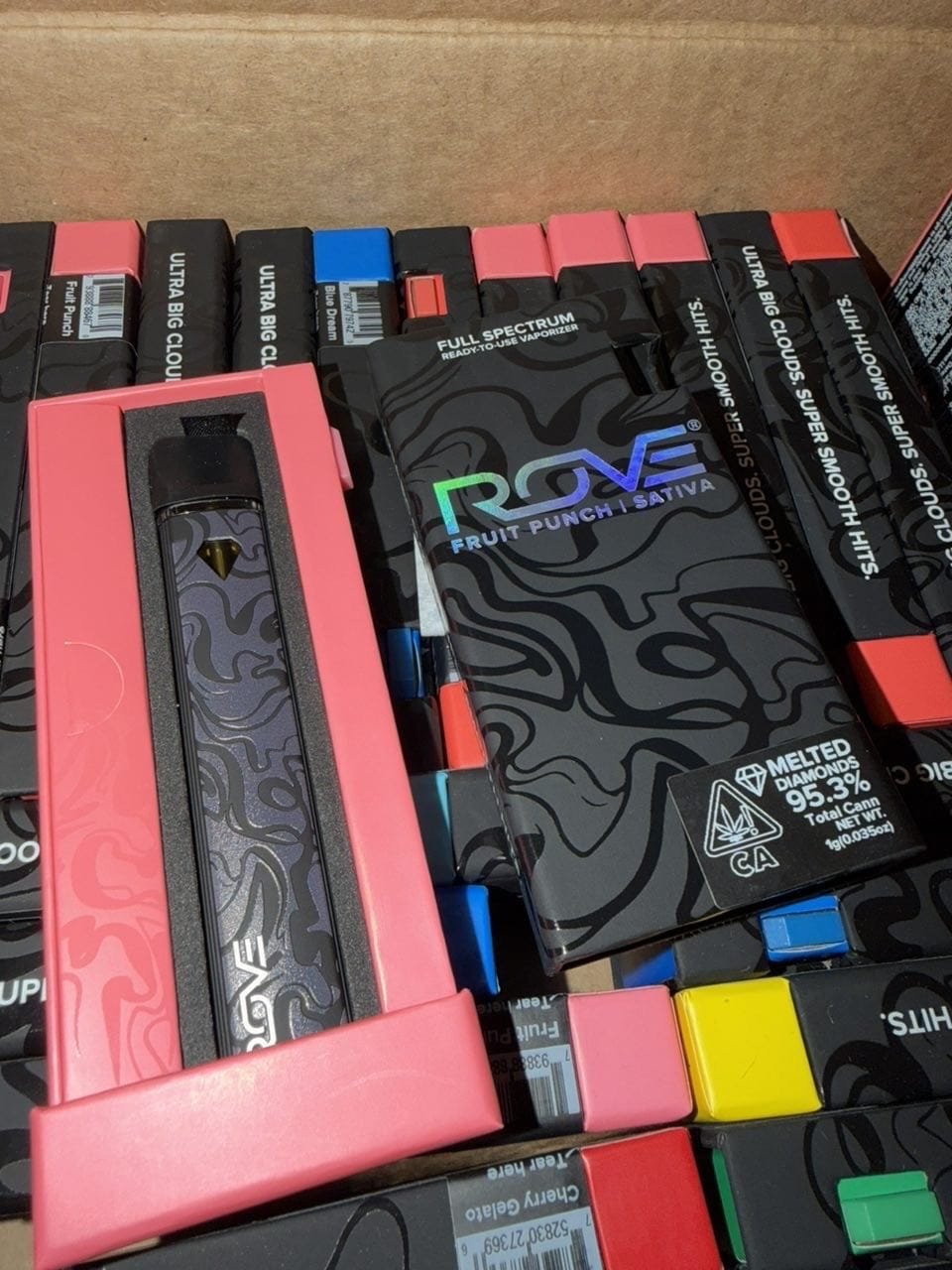
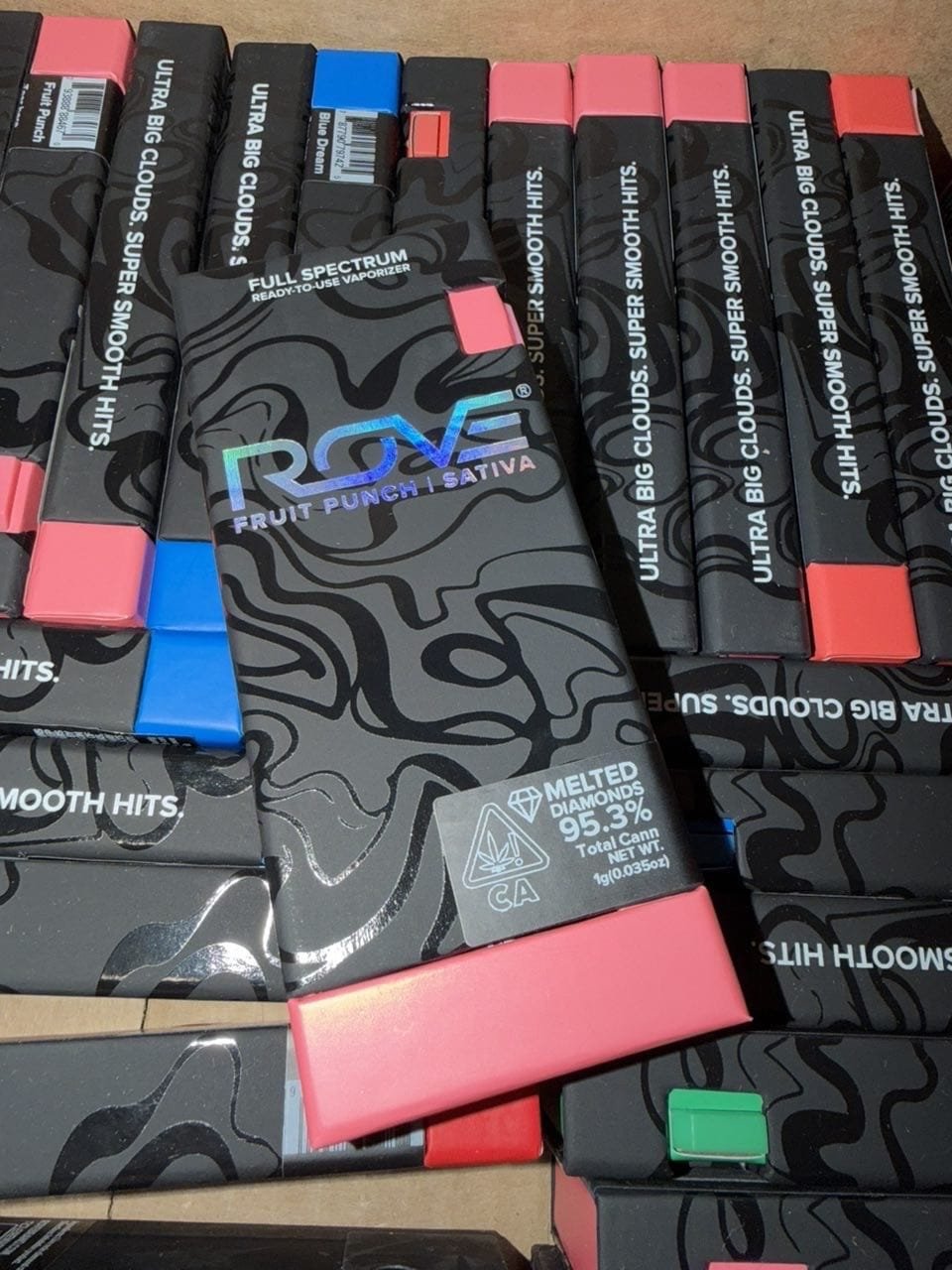
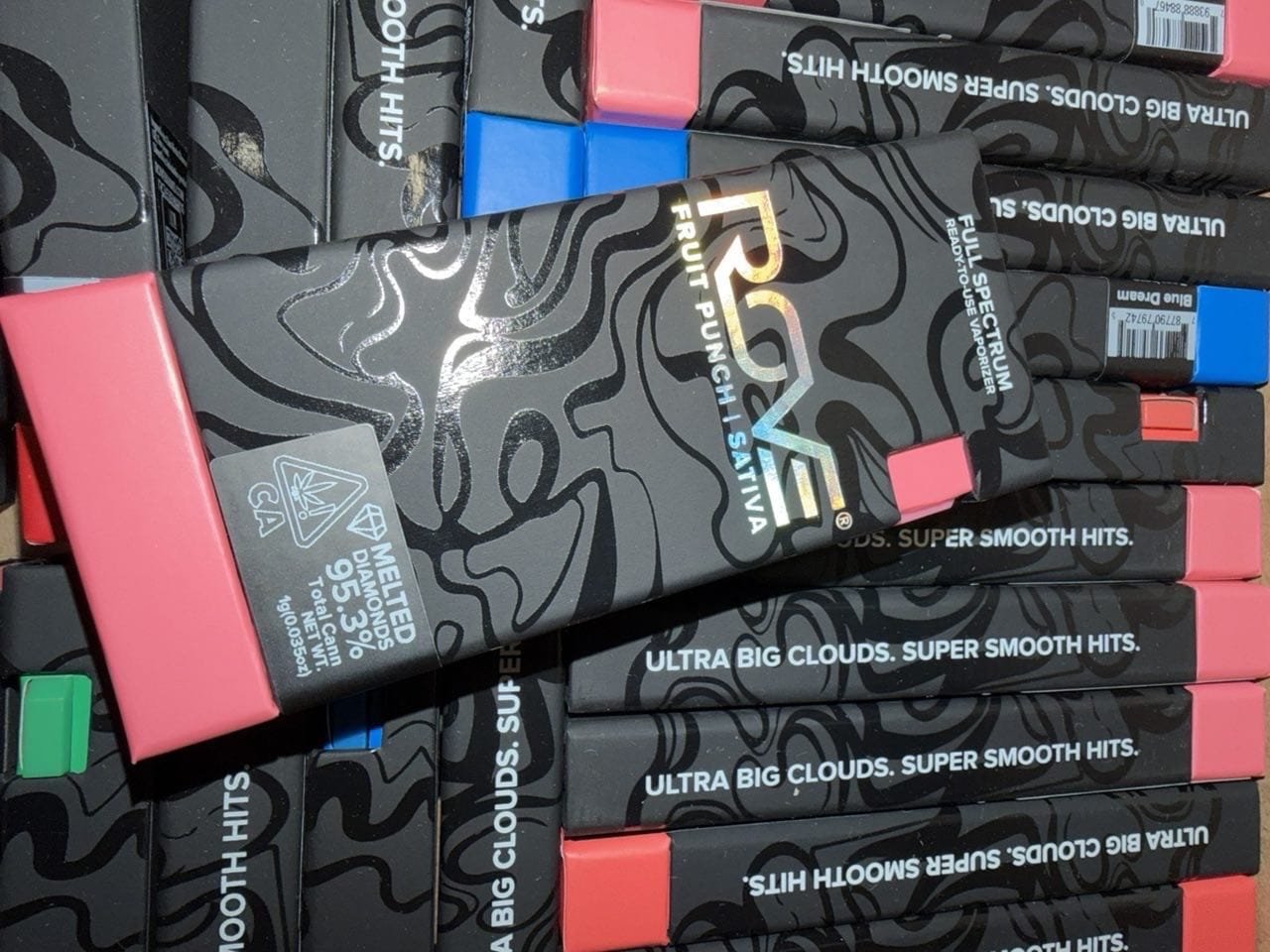
ROVE 1G DISPOSABLE MELTED DIAMONDS FULL SPECTRUM
Price range: $20.00 through $1,450.00
The 1G disposable vape device represents a streamlined approach to vapor hardware design. Instead of relying on complicated multi-part systems, this device integrates advanced technology into a compact, self-contained format. As a result, users benefit from consistent vapor production while enjoying the simplicity that disposable devices are known for.
Description
Next-Generation 1G Disposable Vape Device – Precision Vapor Technology in a Compact Design
Modern Disposable Vape Hardware Built for Simplicity and Performance
The 1G disposable vape device represents a streamlined approach to vapor hardware design. Instead of relying on complicated multi-part systems, this device integrates advanced technology into a compact, self-contained format. As a result, users benefit from consistent vapor production while enjoying the simplicity that disposable devices are known for rove 1g disposable.
To begin with, the design philosophy behind this device focuses on efficiency and accessibility. Traditional vapor systems often require coil replacements, tank cleaning, and liquid refilling. However, disposable devices eliminate those steps entirely rove 1g disposable. Consequently, the device operates as a fully integrated unit that is ready to use immediately.
Furthermore, the compact structure of the device reflects the growing demand for portable vapor technology. Modern users often prefer devices that can be carried easily throughout the day. Therefore, engineers have developed lightweight housings that maintain durability without adding unnecessary bulk.
Another important feature of the device is its integrated vaporization system. Inside the slim outer shell, several components work together to produce vapor. These components include a ceramic heating element, an internal vapor chamber, airflow channels, and a compact battery module. Because these parts are assembled during manufacturing, the device functions reliably without requiring manual setup.
In addition, the ceramic heating technology used in the device contributes significantly to vapor consistency. Ceramic materials distribute heat evenly across the vaporization surface. As a result, the heating process remains stable during each inhalation.
Even heat distribution provides several advantages. First, it prevents hot spots that can cause uneven vapor production. Second, it allows vapor to form gradually across the chamber surface. Consequently, the resulting vapor feels smooth and balanced.
Moreover, ceramic heating elements offer excellent thermal stability during repeated heating cycles. Disposable vape devices activate the heating element many times during their lifespan. Because ceramic materials tolerate high temperatures effectively, the heating system continues operating reliably.
The airflow system inside the device also plays a crucial role in vapor delivery. Engineers design internal airflow channels so that fresh air enters the chamber during inhalation. When the user draws through the mouthpiece, this air mixes with the vapor generated by the heating element.
This mixing process improves the texture of the vapor. Therefore, inhalation feels comfortable and controlled rather than harsh or restrictive.
Another benefit of optimized airflow engineering is the balanced draw resistance it provides. When airflow remains too restricted, inhalation can feel difficult. Conversely, excessive airflow may reduce vapor density. For this reason, engineers carefully calibrate airflow pathways to maintain an ideal balance.
The device also incorporates draw-activated operation, which simplifies user interaction. Instead of pressing buttons to activate the heating element, the user simply inhales through the mouthpiece. Internal sensors detect airflow changes and trigger the heating element automatically.
Because the heating system activates instantly, vapor production begins immediately during inhalation. As a result, the device remains intuitive and easy to operate.
Another important element of the device is its compact battery system. Modern lithium battery technology allows manufacturers to include reliable power sources inside small devices. Consequently, the device can deliver stable heating performance while maintaining a slim design.
Furthermore, internal circuitry regulates battery output to maintain consistent power delivery. This regulation ensures that the heating element receives the appropriate energy during each draw. Therefore, vapor production remains stable throughout the device’s lifespan.
The exterior structure of the disposable vape device also reflects thoughtful design principles. Most devices feature ergonomic shapes that fit comfortably in the hand. Smooth edges and balanced weight distribution make the device easy to hold during operation.
Additionally, the outer casing protects internal components from minor impacts and environmental exposure. Because the device remains sealed, dust and debris cannot easily enter the vapor pathway. Consequently, the internal system remains protected during everyday use.
The mouthpiece design also contributes to the overall experience. Engineers shape the mouthpiece to guide vapor smoothly from the chamber to the user. Because the vapor pathway remains unobstructed, vapor flows efficiently during inhalation.
Moreover, the mouthpiece materials are selected for both comfort and durability. Heat-resistant construction ensures that the mouthpiece maintains stability even during repeated heating cycles.
Another advantage of disposable vape hardware is its maintenance-free functionality. Traditional vapor systems often require ongoing care to maintain performance. However, disposable devices remove the need for coil replacements or cleaning procedures.
Therefore, users can focus entirely on the vapor experience rather than device maintenance.
In addition, the compact form factor makes the device suitable for active and mobile lifestyles. Because all components are integrated into a single structure, the device can be transported easily without additional accessories.
The development of disposable vape devices also reflects broader progress in portable vapor technology innovation. Engineers continue refining heating systems, airflow designs, and battery efficiency to improve user experience.
Ultimately, the 1G disposable vape device demonstrates how modern vapor hardware can combine advanced engineering with effortless usability. By integrating ceramic heating technology, optimized airflow channels, and compact battery power into a sealed design, the device delivers consistent vapor performance in a highly portable format. Because these systems operate together seamlessly, disposable vape devices remain one of the most convenient solutions in modern vapor technology.
Intelligent Airflow Design and Smooth Vapor Delivery
While the heating system plays a major role in vapor production, the airflow engineering inside a 1G disposable vape device is equally important. Airflow determines how vapor moves through the device and ultimately how it feels during inhalation. Because vapor quality depends on balanced airflow and controlled pressure, engineers carefully design internal channels to guide air efficiently from the intake ports to the mouthpiece.
To begin with, modern disposable vape devices use dedicated airflow pathways that direct fresh air toward the vapor chamber during each draw. These channels are positioned strategically inside the device so that airflow remains consistent throughout the vaporization cycle. As a result, air mixes evenly with the vapor produced by the heating element.
Furthermore, balanced airflow contributes directly to smooth inhalation performance. When fresh air blends with vapor inside the chamber, the vapor becomes lighter and easier to inhale. Consequently, the draw feels comfortable rather than dense or restrictive.
Another important feature of airflow engineering is the calibration of draw resistance. Engineers must achieve the correct balance between airflow volume and vapor density. If airflow becomes too restricted, the user must inhale more forcefully. However, excessive airflow can dilute vapor density. Therefore, designers fine-tune the airflow channels to maintain an ideal inhalation balance.
In addition, airflow channels often include precision intake openings located near the base of the device. These openings allow external air to enter the vapor pathway when the user inhales. Because the intake points are positioned carefully, airflow enters the chamber evenly rather than from a single direction.
This distribution improves vapor consistency during each draw. When air flows uniformly across the heating surface, vapor forms more evenly inside the chamber. Consequently, the vapor delivered to the mouthpiece remains balanced and predictable rove 1g disposable.
Another advantage of optimized airflow systems is temperature regulation inside the vapor chamber. When fresh air moves through the chamber, it helps maintain stable internal heat levels rove 1g disposable. As a result, the heating element can operate within a controlled temperature range rove 1g disposable.
Temperature stability benefits both the heating element and the vapor production process. Because excessive heat buildup is avoided, internal components remain protected while vapor output remains consistent.
Furthermore, the airflow design works closely with the ceramic heating system described earlier. As vapor forms across the heated ceramic surface, airflow carries the vapor upward through the device. This movement allows vapor to travel smoothly from the chamber toward the mouthpiece rove 1g disposable.
The airflow pathway typically continues through a central vapor channel that connects the chamber to the mouthpiece assembly rove 1g disposable. Engineers design this channel with smooth internal surfaces to reduce turbulence. Therefore, vapor travels efficiently through the device without unnecessary resistance rove 1g disposable.
Another important feature of modern airflow systems is condensation control. When vapor travels slowly through narrow passages, condensation can form inside the device rove 1g disposable. However, well-designed airflow channels maintain sufficient airflow speed to reduce condensation buildup rove 1g disposable.
Because vapor moves efficiently through the device, the internal vapor pathway remains cleaner over time. Consequently, the device continues delivering consistent performance during repeated use.
The draw-activated sensor system also depends on airflow behavior. When the user inhales through the mouthpiece, airflow sensors detect the pressure change inside the device. These sensors then activate the heating element automatically rove 1g disposable.
This interaction between airflow and sensor technology allows the device to operate without buttons or external controls. As a result, the device remains simple and intuitive to use rove 1g disposable.
Additionally, airflow calibration helps maintain balanced vapor density during extended sessions. When airflow remains stable, vapor production does not fluctuate dramatically from draw to draw rove 1g disposable. Therefore, users experience a reliable inhalation profile throughout the device’s lifespan rove 1g disposable.
Another benefit of modern airflow engineering is quiet operation during inhalation. When air flows smoothly through optimized channels rove 1g disposable, the device produces minimal turbulence noise. Consequently, the inhalation experience remains discreet and comfortable rove 1g disposable.
Moreover, airflow channels contribute to the structural efficiency of the device’s internal layout. Engineers design these pathways so that they fit within the compact housing while maintaining proper airflow volume. As a result, the device retains its slim profile without sacrificing vapor performance.
The mouthpiece also plays an essential role in airflow performance. Engineers shape the mouthpiece to allow vapor to exit the device naturally. Because the internal pathway remains unobstructed, vapor travels smoothly toward the user during inhalation rove 1g disposable.
Furthermore, the mouthpiece design helps maintain consistent airflow direction. By guiding vapor through a controlled exit channel, the device ensures that each draw feels stable and predictable.
Another important factor in airflow design is user comfort during inhalation. A well-balanced airflow system allows the user to inhale naturally without excessive effort rove 1g disposable. Therefore, the device supports longer and more relaxed vaping sessions rove 1g disposable.
In addition, airflow engineering contributes to overall device efficiency. When airflow channels are optimized, the heating element does not need to work harder to produce vapor. Consequently, battery power is used more efficiently rove 1g disposable.
The integration of airflow systems with heating elements, battery power, and sensors demonstrates the complex engineering inside modern disposable vape devices. Although the device appears simple externally, multiple internal systems cooperate to produce consistent vapor performance rove 1g disposable.
Ultimately, the intelligent airflow design of a 1G disposable vape device ensures that vapor travels smoothly from the chamber to the user. By carefully calibrating airflow channels, intake ports, and vapor pathways, engineers create a balanced inhalation experience that complements the ceramic heating system. Because airflow and heating work together seamlessly, the device delivers reliable vapor production while maintaining the portability and convenience expected from modern disposable vape hardware rove 1g disposable.
Compact Battery System and Intelligent Power Management rove carts rove vape rove vapes rove pods
The battery system inside a modern 1G disposable vape device serves as the central energy source that powers the entire vaporization process. While the heating element produces vapor and the airflow system controls delivery, the battery ensures that each component receives the energy required to function efficiently. Because disposable devices must remain compact and portable, engineers design battery systems that balance power capacity with space efficiency rove 1g disposable.
To begin with, most disposable vape devices use high-density lithium battery technology. These batteries are chosen because they can store a significant amount of energy in a very small form factor. As a result, the device can deliver stable performance while maintaining its lightweight structure rove 1g disposable.
Furthermore, lithium batteries are known for their consistent power output. When the heating element activates during inhalation, the battery provides a controlled burst of electrical energy. Consequently, the heating element reaches its operating temperature quickly and begins producing vapor almost immediately.
Another important advantage of lithium battery systems is their compact integration within the device housing. Engineers position the battery carefully inside the sealed structure to maintain balanced weight distribution. Because the battery occupies minimal space, the overall device profile remains slim and portable rove 1g disposable.
In addition, modern disposable vape devices include power regulation circuitry that manages energy flow between the battery and the heating element rove 1g disposable. This circuitry ensures that the heating element receives a stable and controlled power supply during each draw. Therefore, vapor production remains consistent from the first use to the final draw.
The regulation system also helps maintain stable temperature control inside the vapor chamber. When power delivery remains balanced, the heating element can operate within its optimal temperature range. As a result, vapor generation remains smooth and predictable rove 1g disposable.
Moreover, the battery system supports rapid activation during draw-activated operation. When airflow sensors detect inhalation, the device immediately signals the battery to deliver energy to the heating element. Consequently, the device responds quickly to user input without noticeable delay.
Another advantage of the battery system is its efficient energy usage. Disposable vape devices are designed to maximize the number of draws available within a compact battery capacity. Therefore, engineers optimize the internal circuitry to minimize unnecessary power consumption.
This efficiency ensures that the device can deliver reliable performance throughout its lifespan. As the battery gradually depletes during use, the device continues providing stable power to the heating element rove 1g disposable.
In addition, the battery system contributes to the maintenance-free nature of disposable vape hardware. Because the battery is fully integrated into the device, users do not need to replace or recharge it manually. Consequently, the device remains simple and convenient to operate rove 1g disposable.
The battery also interacts closely with the draw-activated sensor technology inside the device. When airflow is detected during inhalation, the sensor sends a signal to the power control system. This signal triggers the battery to supply energy to the heating element rove 1g disposable.
Because this process occurs automatically, the device eliminates the need for buttons or manual switches. Therefore, the overall user experience remains intuitive and straightforward.
Another important feature of the battery system is its protective safety circuitry. Modern disposable devices often include safeguards that prevent electrical irregularities. For example, protective circuits can regulate voltage levels and prevent overheating during operation.
These safety features help ensure that the device operates reliably while protecting the internal components from excessive stress.
Furthermore, the battery system contributes to the overall stability of the device’s internal architecture. Engineers position the battery in alignment with the heating chamber and airflow system to maintain a balanced structure. As a result, the device feels stable and comfortable when held in the hand rove 1g disposable.
Another benefit of compact battery design is the reduction of overall device weight. Lightweight battery technology allows manufacturers to create devices that remain portable without sacrificing performance. Consequently, the device remains comfortable to carry throughout the day rove 1g disposable.
The battery also plays a role in maintaining consistent vapor density during repeated draws. When power output remains stable, the heating element can generate vapor at a consistent rate. Therefore, each draw feels similar in strength and texture rove 1g disposable.
Additionally, efficient battery systems allow disposable devices to maintain steady vapor production even during longer sessions. Because the battery delivers energy efficiently, the device can continue operating smoothly without sudden drops in performance rove 1g disposable.
Another important aspect of battery integration is the sealed device design. The battery remains enclosed within the device housing alongside the heating element and airflow channels. Because the device is sealed, the battery remains protected from dust, moisture, and environmental exposure rove 1g disposable.
This sealed structure also contributes to the durability of the device during everyday use.
The interaction between the battery, heating system, and airflow channels demonstrates how multiple internal systems cooperate within a disposable vape device. Although the device appears simple externally, the internal architecture relies on carefully coordinated engineering.
Ultimately, the compact battery system and intelligent power management inside a 1G disposable vape device provide the energy required for reliable vapor production. By combining high-density lithium battery technology with efficient power regulation circuits, the device delivers stable heating performance within a portable design. Because the battery system works seamlessly with airflow sensors and ceramic heating elements, it forms the foundation of the device’s consistent and user-friendly operation.
Related products
-
Sale!

ALPHA 1G DISPOSABLE REFUSE TO SETTLE
Price range: $25.00 through $1,200.00Select options This product has multiple variants. The options may be chosen on the product page -
Sale!

ZAZA 2G DISPOSABLE LIQUID DIAMONDS
Price range: $25.00 through $1,500.00Select options This product has multiple variants. The options may be chosen on the product page -
Sale!

TURNS 2G DISPOSABLE HOT GIRL SUMMER
Price range: $30.00 through $1,500.00Select options This product has multiple variants. The options may be chosen on the product page -
Sale!

FIFTY ONE LABS 2G DISPOSABLE LIVE RESIN
Price range: $25.00 through $1,300.00Select options This product has multiple variants. The options may be chosen on the product page
Reviews
There are no reviews yet.