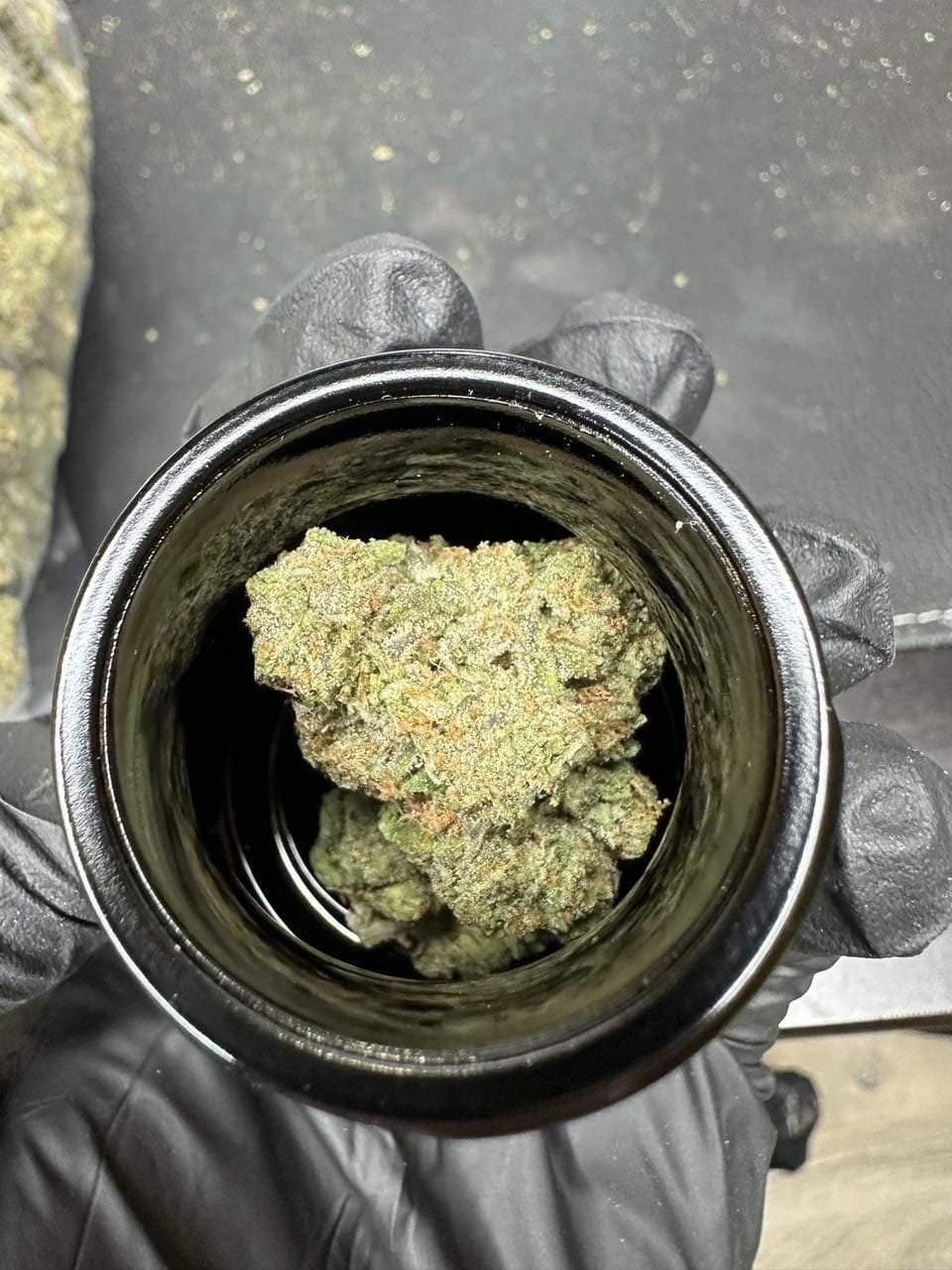
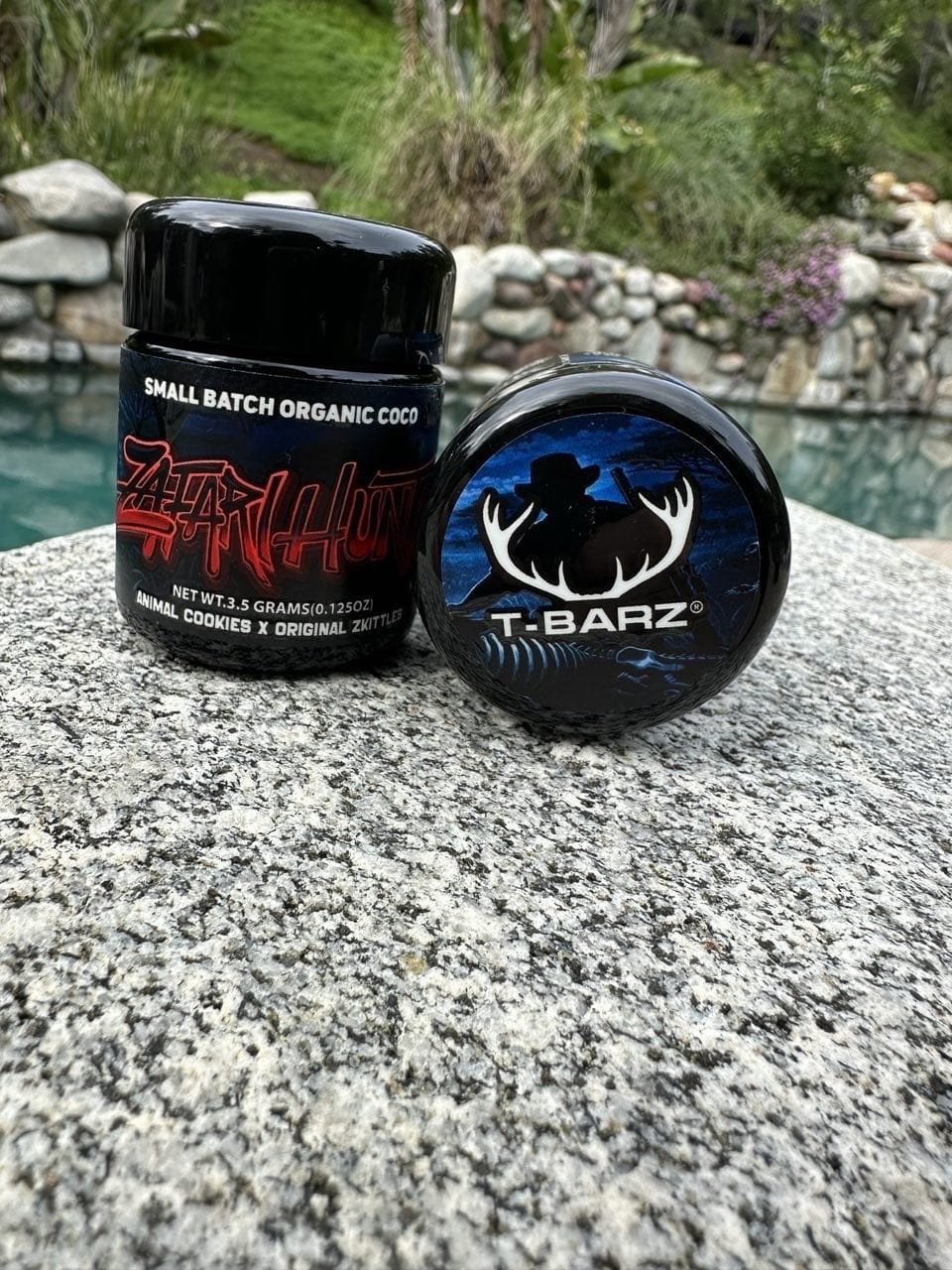
ZAFARI HUNT 8TH JARS BY TBARZ SMALL BATCH
Price range: $700.00 through $1,150.00
Zafari Hunt 8th Jars by TBarz Small Batch are crafted for individuals who expect more than average cannabis flower. This is not mass-market product designed for volume turnover. Instead, it reflects intentional cultivation, careful finishing, and packaging built to protect every gram of terpene expression inside the jar.
Description
Zafari Hunt 8th Jars by TBarz Small Batch – Elevated Craft Cannabis for the Modern Connoisseur
Cultivation Precision and the Small-Batch Advantage
Zafari Hunt 8th Jars by TBarz Small Batch begin their story long before packaging. True product quality is established during cultivation, where environmental discipline, strain selection, and harvest timing determine the final sensory and performance outcomes. Unlike large-scale production systems that prioritize yield efficiency, small-batch cultivation focuses on plant expression, resin development, and terpene preservation. Therefore, every stage of growth is intentionally controlled rather than automated at scale zafari hunt 3.5 8th.
Small-batch methodology allows growers to fine-tune environmental variables with greater accuracy. Temperature stability plays a critical role in terpene synthesis, while humidity management influences trichome density and overall plant health. Because batch sizes remain limited, micro-adjustments can be made throughout the flowering cycle. As a result, stress responses are minimized and cannabinoid production remains consistent across the canopy zafari hunt 3.5 8th.
Lighting strategy also contributes to final flower quality. Instead of maximizing intensity solely for biomass output, spectrum balance and light distance are optimized for resin formation. Proper light calibration encourages compact bud development and enhances glandular trichome production. Consequently, harvested flower demonstrates strong structural density and visible crystalline coveragezafari hunt 3.5 8th.
Nutrient management reflects similar precision. Each cultivar may respond differently to macronutrient ratios and micronutrient availability. In large commercial grows, feeding schedules are often standardized to simplify operations. However, small-batch cultivation allows responsive nutrient adjustments based on plant observation and developmental phase. Because nutrient excess can suppress terpene formation, careful calibration supports aromatic complexity zafari hunt 3.5 8th.
Equally important is root-zone management. Oxygen availability in the growing medium influences metabolic efficiency. When roots receive balanced aeration and hydration, nutrient uptake remains stable. Therefore, plant vigor improves without overfeeding. This balanced approach reduces the likelihood of nutrient lockout or stress-induced terpene loss.
Canopy management further distinguishes craft production. Techniques such as topping, low-stress training, and selective pruning are applied with intention. Instead of overcrowding plants for maximum square-foot yield, spacing is maintained to encourage airflow and uniform light penetration. As a result, lower bud sites receive adequate exposure, which improves overall batch consistency zafari hunt 3.5 8th.
Harvest timing represents one of the most critical decisions in the cultivation process. Rather than harvesting based on calendar deadlines, Zafari Hunt flower is collected according to trichome maturity. Growers monitor glandular heads under magnification, evaluating clarity, cloudiness, and amber coloration. Because cannabinoid and terpene levels peak at specific maturation stages, precise timing ensures optimal expression.
Once harvested, the drying phase begins under strictly controlled conditions. Rapid drying can degrade volatile terpenes and trap chlorophyll inside plant tissue. Therefore, temperature and humidity are stabilized to allow gradual moisture reduction. This slow process supports smoother smoke and fuller flavor articulation. Additionally, terpene retention improves when drying environments avoid excessive heat or airflow.
Curing extends the refinement process. During curing, internal moisture redistributes evenly throughout the bud. Jars are monitored and burped periodically during early stages to release excess humidity. Because curing timelines are respected rather than compressed, chlorophyll breakdown completes properly. Consequently, harshness decreases and aromatic layering deepens zafari hunt 3.5 8th.
Quality control checkpoints occur throughout this post-harvest cycle. Visual inspection confirms trichome preservation and bud structure. Aroma testing verifies terpene integrity. Batches that fail to meet visual or sensory standards are filtered out before premium packaging. This selective approach reinforces product consistency.
Packaging selection complements cultivation discipline. Glass jars are used because they minimize static friction that can dislodge resin heads. Moreover, airtight sealing restricts oxygen exposure, which protects volatile compounds from oxidation. UV-resistant materials reduce light-induced cannabinoid degradation. Together, these packaging features preserve the work completed during cultivation and curing.
The eighth-ounce format enhances freshness management. A 3.5-gram portion reduces long-term exposure after opening compared to bulk quantities. Therefore, terpene complexity remains intact across multiple sessions without significant degradation. This practical sizing aligns with the craft philosophy: controlled quantity, preserved quality.
Small-batch cultivation also supports traceability. Each harvest can be tracked through cultivation logs, nutrient schedules, and environmental data. Accountability strengthens when batch sizes remain manageable. If adjustments are required in future cycles, data-driven refinements can be implemented precisely.
Ultimately, Zafari Hunt 8th Jars represent the cumulative result of controlled inputs, disciplined timing, and post-harvest patience. Every decision—from light spectrum calibration to final jar sealing—contributes to sensory integrity and performance reliability. While large-scale production emphasizes throughput, small-batch cultivation emphasizes outcome quality.
For consumers who prioritize terpene richness, smooth combustion, and structural consistency, cultivation precision forms the foundation of value. Zafari Hunt reflects this philosophy through deliberate process management at every stage.
Performance, Experience, and Craft-Level Quality Standards
Zafari Hunt 8th Jars by TBarz Small Batch are designed to deliver a complete experience, not just a product. While appearance and aroma form the first impression, true quality reveals itself during preparation, consumption, and after-effect clarity. Therefore, this section focuses on performance consistency, combustion behavior, vapor expression, and overall experiential balance.
Preparation immediately reflects cultivation discipline. When the bud is broken apart, resin distribution becomes visible across the interior structure. Trichomes remain intact rather than dusting off excessively, which indicates proper moisture stabilization. Because humidity levels were controlled during curing, the flower grinds evenly without turning powdery or clumping together. This consistency matters. Even grind texture supports uniform burn or vaporization efficiency.
Combustion performance highlights curing precision. An evenly cured flower burns steadily with a controlled ember progression. The burn line remains stable instead of racing down one side, and the ash appears light in color, suggesting effective nutrient flushing prior to harvest. Although ash color alone does not determine quality, it often signals mineral balance within the plant tissue. Zafari Hunt flower is flushed before harvest, which reduces residual nutrient harshness.
Smooth inhalation remains one of the defining features. Because chlorophyll breakdown was allowed to complete gradually, harsh throat sensation is minimized. The smoke feels structured rather than sharp. Additionally, flavor remains present throughout the session instead of fading after the first inhale. This stability reflects terpene preservation and resin integrity zafari hunt 3.5 8th.
Vaporization further distinguishes the experience. When used in a dry herb vaporizer, flavor articulation becomes more precise. Lower temperature settings release lighter terpenes first, creating a brighter aromatic layer zafari hunt 3.5 8th. As temperature increases slightly, deeper and heavier terpene notes develop. Therefore, users can modulate flavor intensity by adjusting heat levels. This flexibility enhances the sensory value of the flower zafari hunt 3.5 8th.
Moreover, consistency across sessions matters to experienced consumers. Zafari Hunt small-batch methodology reduces variability between jars from the same harvest. Because environmental conditions were monitored continuously during growth, cannabinoid and terpene expression remain stable across the batch. Consequently, repeat purchases deliver predictable results zafari hunt 3.5 8th.
Beyond combustion and vapor performance, structural integrity supports long-term usability. Buds resist premature drying when stored correctly. The airtight glass jar limits oxygen intrusion, while UV resistance shields cannabinoids from light exposure. As a result, potency degradation slows significantly compared to loosely sealed packaging.
The eighth format also enhances experience management. A 3.5-gram portion provides flexibility without overwhelming storage timelines. Larger quantities may sit exposed for extended periods after opening. However, this size encourages fresher rotation. For consumers who maintain multiple strains in their collection, this format offers strategic balance between variety and preservation.
Additionally, tactile feedback reinforces quality perception. Premium flower should feel resin-rich but not sticky to the point of excess moisture. Zafari Hunt buds achieve that balance. Trichome heads remain intact, and the exterior does not feel overly damp. Because curing was completed under controlled humidity, internal moisture remains evenly distributed.
Effect clarity forms another important dimension. While individual responses vary, small-batch flower cultivated under optimized environmental conditions often delivers cleaner experiential transitions. This occurs because stress-related plant compounds are minimized during growth. Therefore, cannabinoid and terpene synergy feels more cohesive rather than scattered.
Importantly, small-batch production encourages accountability. Each harvest is traceable to cultivation logs and environmental data. If a batch does not meet visual or aromatic standards, it is not positioned as premium-tier product. That selective filtering strengthens brand credibility. Quality is not assumed; it is evaluated and confirmed before packaging.
Storage after purchase remains essential. To preserve performance integrity, jars should be kept in a cool, dark environment between 60–70°F. Repeated prolonged exposure to open air should be limited. Although packaging protects freshness, consumer handling ultimately determines longevity. Proper storage maintains terpene complexity and burn consistency over time.
In a competitive cannabis market saturated with high-yield production, Zafari Hunt 8th Jars distinguish themselves through performance discipline. Cultivation control, patient curing, and protective packaging work together to deliver reliable session quality. Every phase—from grind texture to final exhale—reflects deliberate process management rather than volume-driven shortcuts.
For consumers who assess cannabis beyond potency percentages and instead prioritize smoothness, flavor persistence, and structural consistency, Zafari Hunt provides a craft-focused standard. It performs predictably, tastes intentional, and stores effectively. Ultimately, that reliability defines premium small-batch cannabis.
Packaging Integrity, Freshness Protection, and Long-Term Quality Preservation zafari hunt 8th cannabis
Packaging is not an afterthought in premium cannabis production. In fact, for Zafari Hunt 8th Jars by TBarz Small Batch, packaging functions as the final quality control barrier between cultivation excellence and consumer experience. While flower quality is established during growth and curing, it can be compromised quickly if storage conditions are inadequate. Therefore, jar engineering, seal integrity, and environmental protection play a decisive role in maintaining terpene complexity and cannabinoid stability.
Glass is intentionally selected as the primary container material. Unlike thin plastic packaging, glass remains chemically neutral and non-porous. As a result, aromatic compounds do not leach into the container walls over time. Terpenes remain within the flower matrix rather than dissipating through microscopic permeability. Additionally, static electricity is minimized in glass compared to plastic, which helps preserve fragile trichome heads during handling.
The airtight lid system is equally important. Oxygen exposure is one of the primary drivers of cannabinoid degradation. When THC interacts with oxygen over time, potency can decline gradually. Because the Zafari Hunt jar is sealed tightly, internal atmospheric exchange is significantly reduced. Consequently, oxidation slows and resin integrity remains more stable during storage.
Light exposure also impacts long-term quality. Ultraviolet radiation accelerates cannabinoid breakdown and can reduce terpene intensity. For this reason, UV-resistant or tinted glass is used to limit photodegradation. Even though many consumers store products in drawers or cabinets, packaging still provides an added layer of defense against accidental exposure.
Humidity balance represents another key preservation factor. Cannabis flower must maintain internal moisture between approximately 58% and 62% relative humidity to preserve texture and terpene stability. If humidity drops too low, buds become brittle and trichomes fracture easily. Conversely, excess moisture increases the risk of microbial growth. Zafari Hunt flower is stabilized before sealing to maintain optimal moisture equilibrium. Because curing is completed carefully, the jar environment supports consistent internal balance.
Moreover, the 3.5-gram eighth format contributes to freshness management. Larger bulk quantities often remain opened for extended periods, allowing repeated oxygen exchange. However, smaller jars reduce prolonged exposure after initial opening. Therefore, terpene retention remains stronger across the product’s lifespan. This size aligns with the craft philosophy: controlled quantity, preserved quality.
Batch labeling and traceability further reinforce packaging value. Each jar typically includes batch identification information, harvest data, and testing compliance where required. This transparency supports consumer confidence. Additionally, traceability allows producers to evaluate post-sale feedback relative to specific harvest cycles, which strengthens long-term quality control zafari hunt 3.5 8th.
Transportation stability must also be considered. During distribution, temperature fluctuations and vibration can affect flower condition. Dense glass containers provide structural protection against physical compression. Because trichomes are delicate resin glands, minimizing agitation helps preserve visual and functional integrity. While no packaging eliminates all movement, rigid jar construction reduces damage compared to flexible containers.
Once purchased, proper storage practices become essential. Consumers should store Zafari Hunt 8th Jars in cool, dark environments ideally between 60–70°F. Temperature extremes accelerate degradation processes. For example, excessive heat increases terpene volatility, while freezing conditions may cause trichomes to become brittle. Therefore, maintaining stable room temperature extends product lifespan.
Repeated unnecessary opening should also be avoided. Every time a jar is opened, fresh oxygen enters and volatile compounds begin to dissipate. Although airtight sealing restores protection once closed, limiting prolonged air exposure supports long-term preservation. Because the jar format is practical and resealable zafari hunt 3.5 8th, freshness can be maintained effectively when handled responsibly zafari hunt 3.5 8th.
Importantly, packaging integrity reflects brand philosophy. Premium cultivation deserves premium protection. If flower is grown with discipline but stored carelessly, value diminishes quickly. Zafari Hunt 8th Jars integrate packaging design into the overall quality strategy rather than treating it as decorative branding zafari hunt 3.5 8th.
Furthermore, shelf stability influences retailer performance. Dispensaries must manage inventory rotation carefully. Because small-batch production typically involves limited runs, shelf turnover occurs more predictably. As a result, older stock accumulation is minimized. Packaging supports this system by preserving freshness during typical retail cycles.
In competitive cannabis markets, consumers increasingly recognize that jar quality correlates with product care. Lightweight or poorly sealed containers often signal mass production priorities. In contrast, durable glass jars with secure lids indicate intentional preservation standards. Zafari Hunt reinforces its premium positioning through this protective approach zafari hunt 3.5 8th.
Ultimately, packaging integrity completes the cultivation story zafari hunt 3.5 8th. Resin-rich flower, patiently cured and carefully trimmed, requires protection that extends its lifespan without compromising aroma, potency, or texture. Through airtight sealing, UV resistance, moisture stabilization, and structural durability, Zafari Hunt 8th Jars preserve the sensory performance established during growth zafari hunt 3.5 8th.
For consumers who value consistency beyond the first opening, packaging becomes part of the experience. It safeguards investment, maintains terpene clarity, and supports reliable performance session after session. In premium small-batch cannabis, preservation is not optional; it is essential zafari hunt 3.5 8th.
Market Positioning, Consumer Value, and Craft Cannabis Identity zafari hunt 8th weed
Zafari Hunt 8th Jars by TBarz Small Batch operate within a competitive cannabis landscape where differentiation depends on more than potency numbers. As the market matures, consumers increasingly evaluate products based on cultivation philosophy, terpene preservation, packaging integrity, and brand transparency. Therefore, positioning within the premium craft tier requires measurable quality standards rather than surface-level branding zafari hunt 3.5 8th.
The modern cannabis consumer is more informed than ever. Lab testing, strain genetics, terpene breakdowns, and cultivation methods are frequently researched before purchase. Consequently, brands that rely solely on THC percentages often struggle to maintain long-term loyalty zafari hunt 3.5 8th. Zafari Hunt distinguishes itself by emphasizing small-batch methodology, controlled curing, and freshness preservation. Instead of marketing exaggerated claims, it focuses on consistent execution zafari hunt 3.5 8th.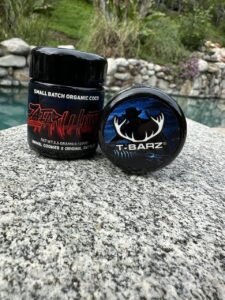
Craft cannabis functions similarly to craft wine or specialty coffee. Volume production can satisfy broad demand; however, limited batches often deliver higher sensory refinement. Because small-scale cultivation allows closer plant oversight, terpene layering and resin development receive greater attention. This operational difference creates a clear separation between commodity flower and boutique offerings zafari hunt 3.5 8th.
Pricing strategy also reflects this positioning. Premium small-batch cannabis may carry a higher price per gram compared to mass-produced alternatives. However, value should be assessed through experience quality rather than raw weight. Smooth inhalation, stable burn, aromatic depth, and structural consistency all contribute to perceived worth. Therefore, consumers who prioritize refinement often view craft pricing as justified.
Brand identity plays a supporting role. Zafari Hunt communicates exclusivity without artificial scarcity. Limited harvest sizes result from operational design, not marketing tactics. Because batches remain controlled, sell-through cycles occur naturally. This organic limitation enhances authenticity within the craft segment.
Related products
-
Sale!
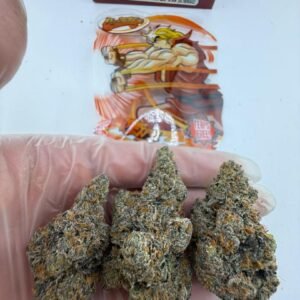
KEN’S TROPICAL PUNCH CANNABIS
Price range: $360.00 through $1,200.00Select options This product has multiple variants. The options may be chosen on the product page -

FREEZE DRIED LEMONHEAD PREMIUM CANNABIS BY SWIRLZ
$25.00Select options This product has multiple variants. The options may be chosen on the product page -
Sale!
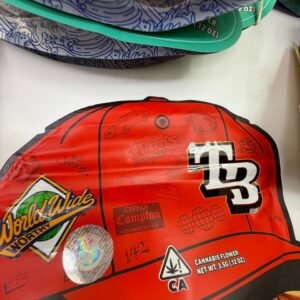
TEDS BUDS 8THS CANNABIS FLOWER
Price range: $50.00 through $300.00Select options This product has multiple variants. The options may be chosen on the product page -
Sale!
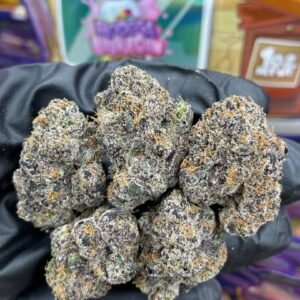
SWEETZ EXOTICS TRAPHOUSE EDITION PREMIUM CANNABIS FLOWER
Price range: $150.00 through $1,500.00Select options This product has multiple variants. The options may be chosen on the product page
Reviews
There are no reviews yet.