
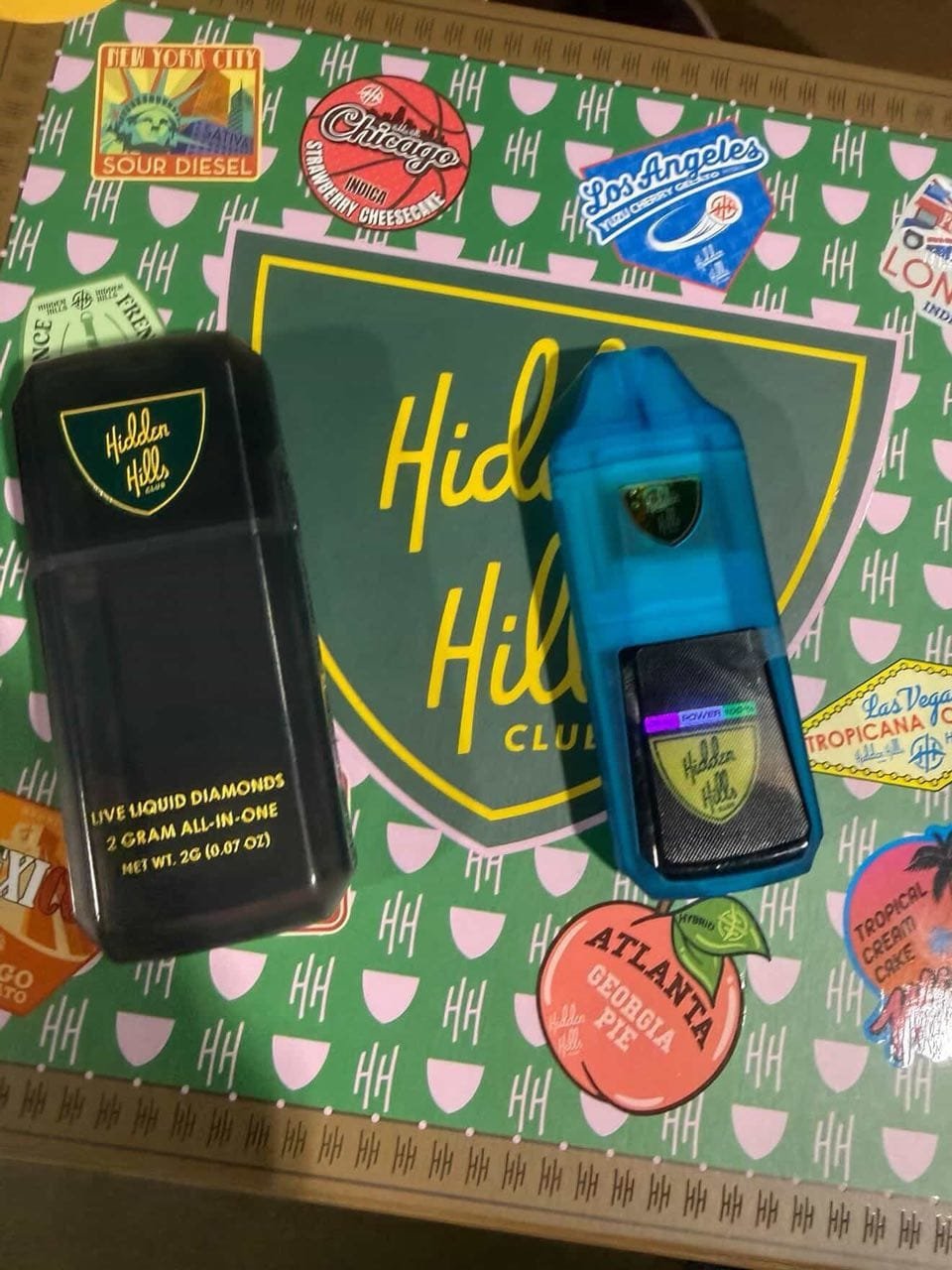

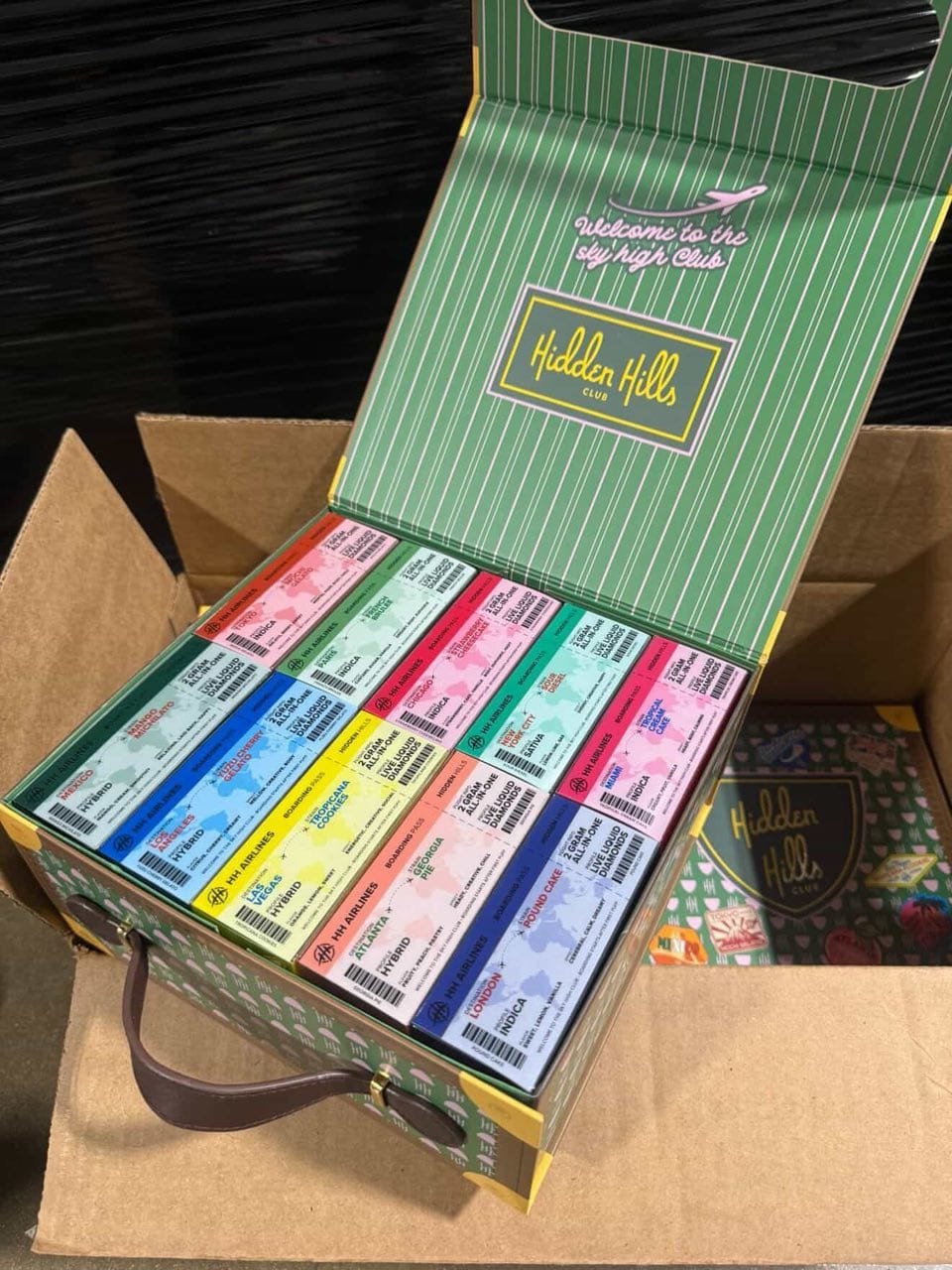



HIDDEN HILLS CLUB 2G DISPOSABLE


$25.00 – $1,250.00Price range: $25.00 through $1,250.00
The 2G disposable device category has developed as a response to demand for simple, ready-to-use systems that require minimal user involvement. Rather than focusing on customization or modular components, these devices are designed around a self-contained concept. As a result, they provide a streamlined approach that prioritizes accessibility and convenience over technical control.
2G DISPOSABLE DEVICES: CATEGORY INSIGHTS AND FUNCTIONAL OVERVIEW
How 2G Disposable Devices Fit Into Modern Portable Systems
The 2G disposable device category has developed as a response to demand for simple, ready-to-use systems that require minimal user involvement. Rather than focusing on customization or modular components, these devices are designed around a self-contained concept. As a result, they provide a streamlined approach that prioritizes accessibility and convenience over technical control hidden hills club 2g disposable.
At the most basic level, a 2G disposable device is built as a closed, integrated system. All necessary components—storage, power, and activation—are enclosed within a single unit. Because of this design, the device functions without assembly or preparation. Users do not need to install parts, adjust settings, or manage separate accessories. Therefore, the category is often associated with ease of entry and immediate usability.
Another defining element is the fixed capacity format. The “2G” designation indicates a larger internal volume compared to smaller disposable formats. Consequently, the device is intended to support longer usage before it reaches the end of its lifecycle. This extended capacity reduces the need for frequent replacement, which aligns with the goal of uninterrupted use. In addition, it supports a more consistent experience over time, since the system remains stable throughout its operation.
The internal workflow of these devices is structured to operate as a self-regulating system. Once activated, the device manages its own output without requiring user input. This is achieved through predefined parameters that control how the internal components interact. Because of this automation, performance remains consistent across different usage conditions. As a result, users experience a predictable outcome without needing to monitor or adjust the device.
From a design perspective, portability is a central consideration. These devices are typically compact and lightweight, which allows them to be carried easily. Therefore, they can be used in a variety of settings without additional equipment. This portability contributes to their practicality, especially in situations where space and convenience are important. Furthermore, the simplified structure reduces the likelihood of mechanical issues during transport.
In addition, the activation method is designed to be intuitive. Most devices in this category rely on a passive activation system that responds to user interaction automatically. Because of this, there is no need for manual controls. This approach eliminates unnecessary complexity and ensures that operation remains straightforward. Consequently, the device can be used without prior experience or technical knowledge.
Another important aspect is the consistency of performance. Since the device is manufactured as a complete unit, each component is calibrated to work within a specific range. This calibration ensures that output remains stable from the beginning to the end of use. In contrast to systems that allow user adjustments, disposable devices maintain uniformity by limiting variability. Therefore, the experience is standardized across different units.
However, this simplicity also introduces certain trade-offs. Because the system is sealed and non-adjustable, users cannot modify its behavior. This means that factors such as output level or airflow are predetermined. While this ensures consistency, it reduces flexibility. As a result, the device is best suited for users who prefer a fixed, predictable experience rather than one that can be customized.
The lifecycle of a 2G disposable device is another defining characteristic. Once the internal supply or power source is depleted, the device is no longer functional. Because it is not designed for reuse, it must be replaced. This single-use nature contributes to convenience, since maintenance is not required. However, it also raises considerations related to cost over time and material disposal.
From a broader perspective, the category reflects a shift toward simplified product ecosystems. Instead of requiring users to manage multiple components, these devices consolidate functionality into one unit. As a result, they reduce the complexity associated with operation and maintenance. This approach aligns with trends in other industries, where integrated systems are increasingly preferred for their ease of use.
In conclusion, the 2G disposable device category represents a design philosophy centered on simplicity, portability, and consistency. By combining all essential components into a single unit, it eliminates the need for setup and ongoing management. At the same time, it introduces limitations related to customization and reuse. Overall, it provides a practical solution for users who prioritize convenience and straightforward operation within a controlled and predictable system.
Internal Design Logic, System Flow, and Functional Efficiency
The 2G disposable device category is built around a tightly integrated system where each internal component supports a specific role in maintaining consistent operation. Although the external form appears simple, the internal workflow follows a structured sequence. As a result, the device can deliver stable output without requiring user intervention or adjustment.
At the core of this system is a linear operational flow. Once the device is activated, air movement triggers the internal mechanism, which then initiates the heating process. Because this sequence is predefined, the device responds in a predictable manner. Therefore, each activation follows the same cycle, which helps maintain uniform performance across the entire lifespan.
The interaction between airflow and activation is a key element of this design. When airflow passes through the device, it engages a sensor that signals the system to begin operation. This process is automatic, so the user does not need to control it manually. As a result, the device remains intuitive and accessible. In addition, the airflow pathway is engineered to regulate resistance, which ensures that activation occurs consistently.
Another important factor is the efficiency of internal energy use. The power source is calibrated to match the expected duration of the device’s operation. Because of this alignment, energy is distributed evenly throughout the lifecycle. Therefore, the system avoids sudden drops in performance. This balanced consumption ensures that the device continues to function reliably until it reaches depletion.
The heating process is also optimized for stability. Instead of fluctuating, the system operates within a controlled range that supports consistent output. Because the parameters are fixed, the device does not require user adjustments. Consequently, the output remains uniform regardless of how frequently it is used. This consistency is one of the defining characteristics of the category.
In addition, the sealed internal environment plays a significant role in maintaining efficiency. By isolating the internal components, the system minimizes exposure to external variables. As a result, factors such as air quality or minor environmental changes have less impact on performance. This controlled environment supports predictable operation across different conditions.
The compact structural arrangement further enhances functional efficiency. Components are positioned to minimize the distance between them, which reduces energy loss during operation. Because of this design, the system can respond quickly when activated. Furthermore, the reduced internal spacing contributes to the overall portability of the device. Therefore, efficiency and convenience are achieved simultaneously.
Another aspect to consider is the balance between output and consumption. The device is engineered to deliver a consistent level of output while gradually using its internal resources. Because this balance is maintained, the user experiences a steady performance curve. There are no abrupt changes in operation, which ensures a smooth and predictable experience. Consequently, the device remains reliable throughout its use.
The absence of adjustable controls also contributes to efficiency. By eliminating user-managed settings, the system avoids unnecessary complexity. Instead, all operational parameters are determined during manufacturing. Because of this, the device functions as intended without requiring calibration. This approach reduces potential errors and ensures that performance remains stable.
Furthermore, the integration of safety mechanisms supports consistent operation. Internal safeguards are included to regulate performance and prevent irregular behavior. For example, the system may limit continuous activation to maintain stability. As a result, the device operates within defined boundaries. This controlled operation enhances both reliability and longevity.
The manufacturing precision of these devices also plays a role in their efficiency. Components are produced to fit within exact specifications, which ensures proper alignment. Because of this precision, the internal system operates smoothly without mechanical interference. In addition, consistent production standards help maintain uniform performance across different units.
From a broader perspective, the design reflects a focus on self-sufficiency. The device is intended to manage its own operation without external input. As a result, the user experience remains straightforward. This self-contained approach distinguishes the category from systems that require ongoing maintenance or adjustment.
In conclusion, the 2G disposable device category relies on a well-coordinated internal system that prioritizes efficiency and consistency. Its structured workflow, balanced energy use, and controlled environment ensure stable performance throughout its lifecycle. Moreover, the integration of all components into a compact design supports both functionality and portability. As a result, the device operates as a cohesive system that delivers predictable results without unnecessary complexity.
Usage Patterns, Practical Context, and Category Trade-Offs
The 2G disposable device category is best understood by examining how it is used in real-world situations. While internal design ensures consistent operation, the overall value of the category depends on how effectively it fits into everyday routines. As a result, usage patterns, convenience factors, and inherent trade-offs all play a role in defining the experience.
To begin with, the category is closely associated with short-term and on-demand usage. Because the device is pre-configured and requires no setup, it can be used immediately when needed. Therefore, it fits situations where simplicity and speed are prioritized. For example, in environments where carrying additional equipment is impractical, a self-contained device offers a clear advantage. Consequently, the category is often chosen for its ability to provide functionality without preparation.
Moreover, the portability of these devices supports flexible usage across different contexts. Their compact size allows them to be carried easily, which means they can be used in a variety of locations. As a result, they integrate smoothly into daily activities without requiring dedicated storage or accessories. In addition, the lightweight design ensures that transport does not add significant burden. Therefore, mobility becomes a key factor in their appeal.
Another important aspect is the predictability of operation. Because the device functions within fixed parameters, users can expect a consistent experience each time it is used. This predictability reduces uncertainty and simplifies decision-making. For instance, users do not need to adjust settings or troubleshoot performance issues. Consequently, the device becomes reliable for routine use hidden hills gummies.
In addition, the category supports minimal user involvement. Once the device is activated, it manages its own operation. This automated behavior reduces the need for monitoring or adjustment. As a result, the user can focus on the intended activity rather than the device itself. This level of simplicity aligns with broader trends toward low-maintenance solutions.
However, these advantages are balanced by certain functional limitations. One of the most significant is the lack of customization. Because the system is sealed and pre-configured, users cannot modify performance characteristics. Therefore, the experience is fixed according to the design specifications. While this ensures consistency, it limits flexibility for those who prefer adjustable systems.
Another trade-off is the finite operational lifespan. The device is designed for single use, which means it becomes inactive once its internal resources are depleted. As a result, it must be replaced rather than reused. This characteristic simplifies maintenance, since there are no components to service. However, it also introduces considerations related to long-term cost and sustainability.
Environmental impact is also a relevant factor. Since the entire unit is discarded after use, it contributes to material and electronic waste. Therefore, responsible disposal practices are important. In addition, ongoing discussions within the industry are focused on reducing this impact through improved materials and recycling initiatives. As a result, the category continues to evolve in response to environmental concerns hidden hills thca prerolls.
Furthermore, the cost structure over time varies depending on usage frequency hidden hills club cart. While the initial purchase is straightforward, repeated replacements may increase overall expenditure. Therefore, users often evaluate whether the convenience justifies the cost. In some cases, alternative systems may be considered for long-term use. Consequently, the category is often positioned as a practical solution for specific scenarios rather than a universal one hidden hills club reviews.
The learning curve remains minimal, which broadens accessibility. Users do not need prior experience to operate the device effectively. As a result, it can be used by a wide range of individuals. This accessibility contributes to its widespread adoption. However, it also reinforces the importance of understanding the device’s limitations and intended use.
In addition, the category reflects a broader shift toward integrated and simplified systems. By consolidating multiple functions into a single unit, it reduces the complexity associated with operation. As a result, it aligns with consumer preferences for convenience and efficiency. This trend is evident across various industries, where ease of use is increasingly prioritized.
Finally, the overall experience is defined by the balance between convenience and constraint. On one hand, the device offers immediate usability, portability, and consistent performance. On the other hand, it limits customization, reuse, and long-term flexibility. Therefore hidden hills vape, its suitability depends on how these factors align with individual needs.
In conclusion, the 2G disposable device category provides a practical solution for users who prioritize simplicity and portability. It integrates smoothly into everyday use while maintaining predictable performance. At the same time, it presents trade-offs related to customization, lifespan, and environmental impact. As a result, it occupies a distinct position within the broader landscape of portable hidden hills club mini mart, single-use systems.
Market Evolution, Design Trends, and Future Direction
The 2G disposable device category continues to evolve as manufacturers respond to changing user expectations, regulatory frameworks, and technological advancements hidden hills club 2g disposables. While the foundational concept remains centered on simplicity and portability, newer developments are shaping how these devices are designed, produced, and positioned in the broader market. As a result, the category is gradually transitioning from basic functionality toward more refined and efficient systems.
To begin with hidden hill club 2g disposables, one of the most noticeable trends is the focus on improved efficiency and consistency. Manufacturers are refining internal components to deliver more stable performance across the entire usage cycle. Because of these improvements, output remains more uniform from initial activation to depletion. In addition carts, advancements in internal calibration help reduce variability between units. Therefore, users can expect a more predictable experience regardless of the specific device they use hidden hills club vape.
Moreover, the integration of compact engineering solutions is becoming increasingly important. As devices become more sophisticated, there is a growing emphasis on maintaining a small form factor without compromising functionality. Consequently, internal components are being arranged more efficiently to maximize space utilization. This approach allows devices to remain portable while supporting enhanced performance. Furthermore, it reflects a broader trend toward miniaturization in consumer products hidden hills club vape review.
Another key development is the enhancement of material quality and durability. While disposable devices are designed for single use hidden hills club 2g disposable, manufacturers are improving structural integrity to ensure consistent operation throughout their lifespan. For example hidden hills club 2g disposable, more resilient casing materials are being introduced to protect internal components. As a result hidden hills club 2g disposable, devices are better equipped to handle regular handling and environmental exposure. This improvement contributes to overall reliability hidden hills pen. hidden hills club 2g disposable
In addition hidden hills cart, there is increasing attention on battery efficiency and energy management hidden hills club 2g disposable. The power source is being optimized to align more precisely with the device’s capacity and usage profile hidden hills club 2g disposable. Because of this, energy is distributed more evenly hidden hill club 2g disposable, which supports consistent operation hidden hills club 2g disposable. Furthermore, improved battery design reduces the likelihood of premature depletion hidden hills club 2g disposable. Therefore, users benefit from a more balanced and dependable lifecycle hidden hills club 2g disposable.
The category is also influenced by regulatory and compliance considerations hidden hill club 2g. As standards evolve, manufacturers are adapting designs to meet new requirements hidden hills club 2g disposable. This includes adjustments to materials, labeling, and safety features. Because of these changes, devices are becoming more standardized in terms of quality and performance hidden hills disposable. Consequently hidden hills club disposable, the market is moving toward greater consistency and transparency hidden hills dispo.
Environmental concerns are another driving factor in the evolution of this category. The single-use nature of disposable devices has led to increased focus on sustainability and waste reduction hidden hills club 2g disposable. Manufacturers are exploring alternative materials and design approaches that may reduce environmental impact hidden hills club 2g disposable. For instance hidden hills club 2g disposable, efforts are being made to improve recyclability and minimize material usage hidden hills club 2g disposable. As a result hidden hills club 2g disposable, the category is gradually incorporating more environmentally conscious practices hidden hills club 2g disposable.
Furthermore hidden hills club 2g disposable, the user experience continues to be refined through incremental design improvements. While the core functionality remains simple hidden hills club 2g disposable, manufacturers are enhancing aspects such as airflow balance, structural ergonomics, and overall usability hidden hills club 2g disposable. Because of this hidden hills vape review, devices are becoming more comfortable and efficient to use. These refinements contribute to a smoother and more consistent experience hidden hills club 2g disposable.
Another important trend is the standardization of performance expectations. As the market matures, users are developing clearer expectations regarding reliability and consistency. Manufacturers are responding by aligning their designs with these expectations hidden hills club 2g disposable. Therefore hidden hills club 2g disposable, the gap between different products within the category is gradually narrowing hidden hills club 2g disposable. This standardization helps ensure that users receive a predictable level of performance hidden hills club 2g disposable.
The category is also influenced by technological crossovers from other industries. Innovations in battery technology, materials science hidden hills club 2g disposable, and compact electronics are being incorporated into disposable device design hidden hills club 2g disposable. As a result, the overall quality and efficiency of these devices continue to improve. This integration of external advancements supports ongoing development within the category hidden hills club 2g disposable.
Looking ahead hidden hills club 2g disposable, the future of the 2G disposable device category is likely to be shaped by a combination of efficiency, sustainability, and regulatory alignment hidden hills club 2g disposable. While the core concept of a self-contained hidden hills club 2g disposable, single-use device will remain hidden hills club 2g disposable, the way it is implemented may continue to evolve. Manufacturers will likely focus on optimizing performance while addressing environmental and compliance challenges hidden hills club 2g disposable.
In conclusion, the 2G disposable device category is undergoing gradual transformation driven by technological innovation and market expectations. Improvements in efficiency, durability, and sustainability are shaping its development hidden hills club 2g disposable. Moreover hidden hills club 2g disposable, regulatory influences and user demand are guiding design decisions. As a result hidden hills club 2g disposable, the category is moving toward more refined and responsible solutions while maintaining its core emphasis on simplicity and convenience.
Be the first to review “HIDDEN HILLS CLUB 2G DISPOSABLE” Cancel reply
Related products

DISPOSABLE


DISPOSABLE

DISPOSABLE

DISPOSABLE

DISPOSABLE
DISPOSABLE

DISPOSABLE

DISPOSABLE
Reviews
There are no reviews yet.